Where to Stay in Bali: Best Areas & Hotels Compared
Deciding where to stay in Bali? Compare Ubud, Seminyak, Canggu, Uluwatu, Sanur, and Nusa Dua with real neighborhood costs, hotel picks, and transport tips.
 By Tanisha Published Updated 9 min read

Figuring out where to stay in Bali is the single most consequential decision you will make when planning an Indonesian island holiday—and getting it wrong is the number-one reason travelers come home complaining about gridlock traffic. On Google Maps, the distance from the surf breaks of Uluwatu to the jungle ridges of Ubud looks like an easy 50-kilometer hop. On the ground, narrow village lanes, ceremonial processions, and millions of motorbikes turn that short map distance into a grueling five-hour round-trip in the back of a taxi. In this neighborhood-by-neighborhood breakdown, you will compare Bali’s six core hotel zones by vibe, beach swimmability, walkability, and real 2026 nightly hotel tariffs in USD, INR, and Indonesian Rupiah (IDR).
Why a “Split Stay” Is Essential in Bali
In compact cities showcased across our best hotels by city hub, booking a single central hotel near a metro line lets you reach every major landmark in 25 minutes. Bali has no passenger rail network, no coastal highway bypassing its western beach towns, and a single narrow isthmus funneling every car between the southern Bukit Peninsula (Uluwatu/Nusa Dua) and the rest of the island.
If you book seven nights in Nusa Dua and try to do day trips to Ubud’s Tegallalang Rice Terrace, Mount Batur, and Canggu’s sunset bars, you will spend up to four hours a day staring at bumper-to-bumper tail lights. Instead, organize your accommodation around geographical clusters:
- 7-Night First-Timer Classic: 3 nights in Ubud (culture, waterfalls, central highlands) + 4 nights in Seminyak or Uluwatu (beaches, sunsets, coastal dining).
- 10-Night Honeymoon or Slow Travel Route: 3 nights in Ubud + 3 nights in Sidemen or Munduk (quiet eastern/northern valleys) + 4 nights in Uluwatu or Nusa Dua.
- Family with Young Children: 3 nights in Ubud + 4 nights in Sanur or Nusa Dua (calm, reef-protected lagoons and stroller-friendly paths).
Bali’s 6 Major Neighborhoods Compared at a Glance
Note: All nightly hotel rates below are approximate 2026 averages for two adults (inclusive of the 21% tax and service charge) and may fluctuate by season and exchange rate (1 USD ≈ 84 INR ≈ 15,800 IDR).
| Area / Neighborhood | Best For | Beach & Swimming | Walkability & Traffic | Mid-Range Boutique (USD / INR / IDR) | 5-Star Luxury Resort (USD / INR / IDR) |
|---|---|---|---|---|---|
| Ubud (Central Foothills) | Culture, jungle views, wellness, rice fields | Inland (River valleys & infinity pools) | Walkable core; heavy afternoon traffic | $95 / ₹7,980 / 1.5M IDR | $520 / ₹43,680 / 8.2M IDR |
| Seminyak (West Coast) | Couples, shopping, fine dining, beach clubs | Wide sunset beach; moderate surf | Very walkable; moderate traffic | $115 / ₹9,660 / 1.8M IDR | $440 / ₹36,960 / 6.9M IDR |
| Canggu (West Coast) | Surfers, digital nomads, café culture, nightlife | Dark volcanic sand; heavy surf breaks | Poor sidewalks; severe scooter bottlenecks | $90 / ₹7,560 / 1.4M IDR | $380 / ₹31,920 / 6.0M IDR |
| Uluwatu (Bukit Peninsula) | Honeymoons, cliff panoramas, white-sand coves | Hidden coves below cliffs; reef surf | Not walkable; car/scooter mandatory | $130 / ₹10,920 / 2.0M IDR | $680 / ₹57,120 / 10.7M IDR |
| Sanur (Southeast Coast) | Families, older travelers, Nusa Penida boats | Calm reef lagoon; sunrise views | 10/10 (6km beachfront paved path) | $85 / ₹7,140 / 1.3M IDR | $340 / ₹28,560 / 5.4M IDR |
| Nusa Dua (South Coast) | Gated resort luxury, toddlers, watersports | White sand; calm swimmable water | 9/10 inside gated enclave | $125 / ₹10,500 / 1.9M IDR | $490 / ₹41,160 / 7.7M IDR |
1. Ubud: Jungle Ravines, Rice Terraces & Cultural Heart
Located 60 to 90 minutes north of Denpasar Airport in the cool foothills of Gianyar Regency, Ubud is essential for understanding Balinese Hindu artistry, temple architecture, and subak-irrigated landscapes. However, Ubud actually comprises two wildly different experiences: Central Ubud (around Monkey Forest Road and Jalan Raya Ubud) and the Surrounding River Valleys (Sayan Ridge, Kedewatan, Payangan, and Sebatu).
Where to Book in Ubud
- Stay along the Sayan Ridge or Ayung River (15–25 minutes outside town) if you want the iconic suspended infinity pools hanging over misty rainforest gorges. Properties here provide free scheduled shuttle vans into Ubud Center every couple of hours.
- Stay in Penestanan or Nyuh Kuning (just outside the center) if you want quiet, leafy pedestrian lanes lined with yoga shalas, sourdough bakeries, and family-run warungs within a 15-minute walk of Ubud Palace.
- Top Hotel Picks: Four Seasons Resort Bali at Sayan (luxury architectural icon above the Ayung River), Capella Ubud (Bill Bensley’s whimsical rainforest tented camp in Keliki), Komaneka at Bisma (upper-midrange classic with rice-field views a 10-minute walk from town), and Tejaprana Bisma (excellent boutique pool villas for couples).
2. Seminyak: Walkable Sunset Beaches, Dining & Boutiques
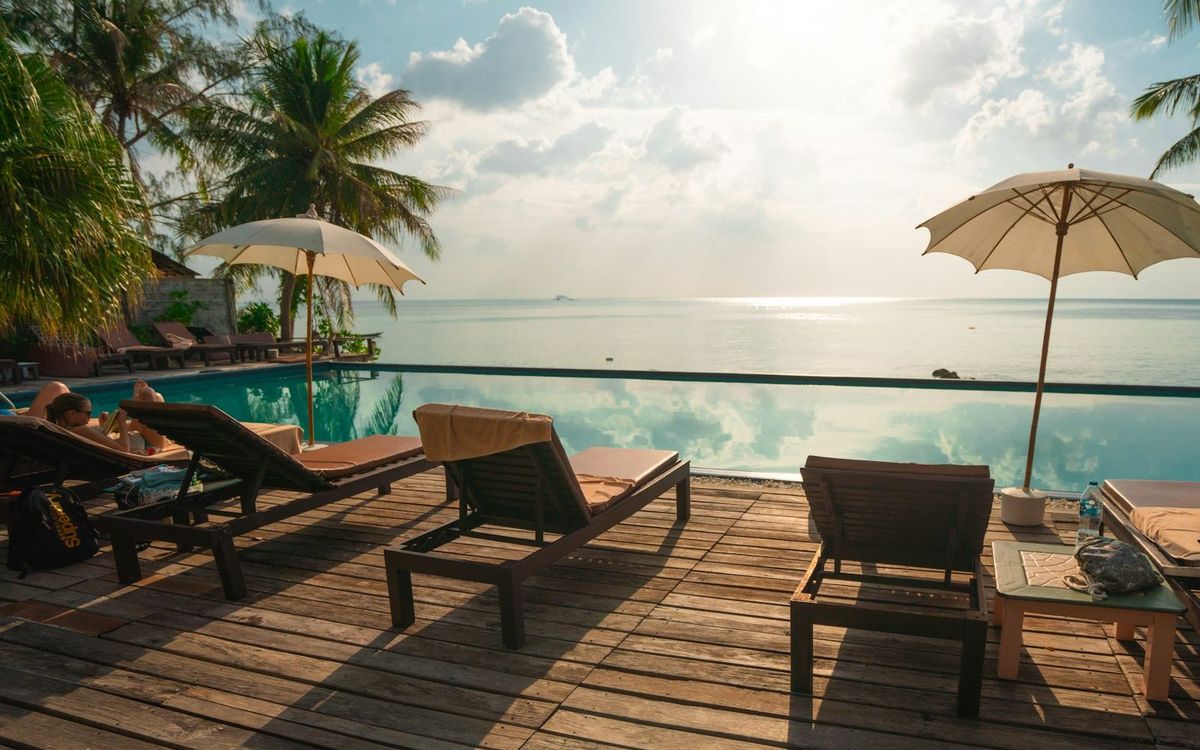
If you want a west-coast sunset beach base where you can step out of your hotel lobby on foot to browse linen boutiques, drink craft cocktails at Potato Head or Ku De Ta, and dine at some of Southeast Asia’s sharpest restaurants, Seminyak remains far superior to Kuta, Legian, or Canggu.
Best Micro-Pockets in Seminyak
- Petitenget & Oberoi (“Eat Street” / Jalan Kayu Aya): The most polished pocket of Seminyak. Stay here for direct beach access, temple-side beachfront resorts, and immediate proximity to top culinary addresses.
- Double Six / Legian Border: Livelier, slightly more affordable, and lined with colorful beanbag beach bars where live acoustic bands play at sunset.
- Top Hotel Picks: The Oberoi Beach Resort, Bali (15 acres of low-rise thatched luxury gardens directly on Seminyak Beach), The Legian Seminyak, Bali (timeless all-suite beachfront elegance), Alila Seminyak (contemporary oceanfront design next to Petitenget Temple), and The Colony Hotel Bali (adults-only boutique gem two minutes from the sand).
3. Canggu: Surf Culture, Co-Working & Beach Clubs
Just north of Seminyak, Canggu (stretching across Berawa, Batu Bolong, Echo Beach, and Pererenan) has evolved from a sleepy surf-shack village into Bali’s high-energy hub for specialty coffee, fitness clubs, digital nomads, and mega-scale beach clubs like Atlas and Finns.
The Honest Reality of Staying in Canggu
Canggu is unbeatable if you are a solo traveler in your 20s or 30s (see our Southeast Asia budget route for how backpackers pair Canggu with the Gili Islands), a surfer looking for reliable reef and beach breaks, or a remote worker wanting world-class cafés. However, road infrastructure has not kept pace with construction. The infamous “Canggu Shortcut” between Berawa and Batu Bolong is chronically jammed, and sidewalks are narrow or nonexistent.
- Smart Alternative: Book in Pererenan or Seseh (immediately north of Echo Beach), where you get Canggu’s café quality with half the noise and far greener rice-paddy vistas.
- Top Hotel Picks: COMO Uma Canggu (sophisticated surf-front apartments and penthouses on Echo Beach), The Slow (art-filled boutique stay on Batu Bolong), and Further Hotel (design-forward studio suites in Pererenan).
4. Uluwatu & The Bukit Peninsula: Dramatic Cliffs & Hidden Coves
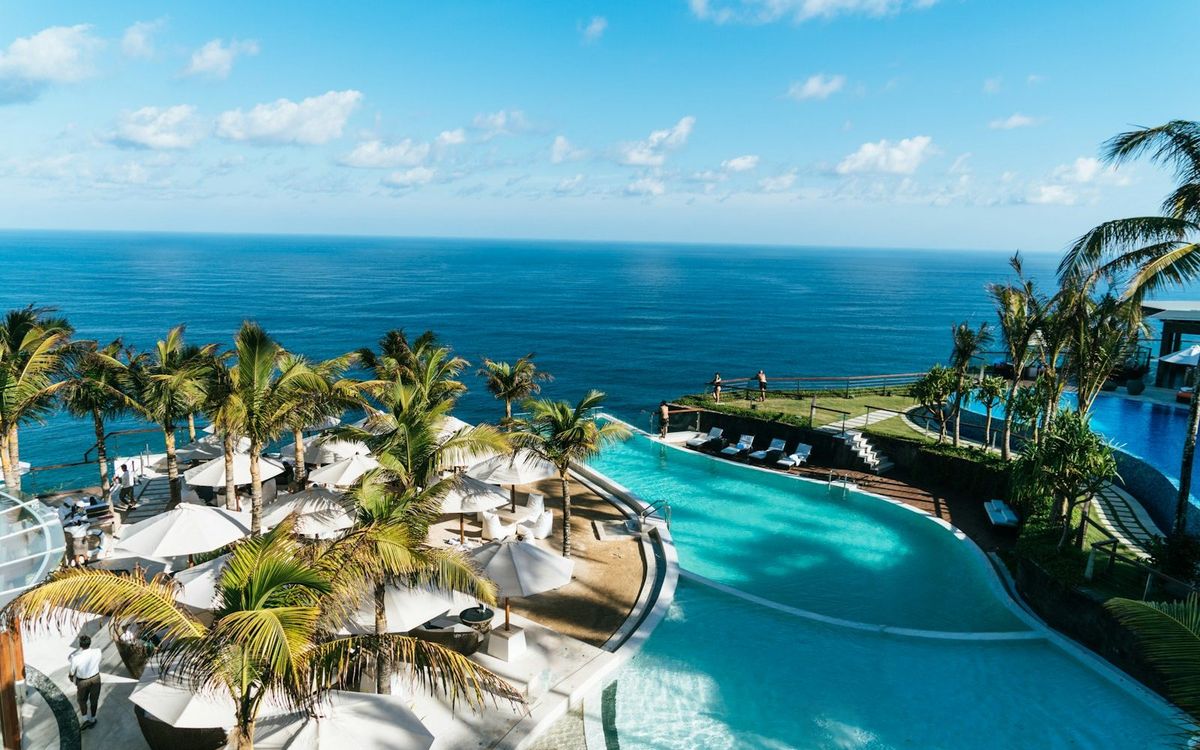
At the southern tip of Bali, the arid limestone plateau of the Bukit Peninsula (Uluwatu, Bingin, Ungasan, and Pecatu) trades rice paddies for 70-meter chalk-white cliffs plunging into electric-blue water. If you are looking for luxury resorts with jaw-dropping Indian Ocean panoramas or a romantic honeymoon villa, Uluwatu has no peer in Indonesia.
What to Know Before Booking Uluwatu
- Accessibility: You cannot walk between neighborhoods in Uluwatu, and Reaching the beaches below the cliffs (Padang Padang, Thomas Beach, Bingin, Melasti, or Sundays Beach Club) requires either descending 150+ steep stone steps or taking a resort funicular elevator.
- Top Hotel Picks: Bulgari Resort Bali and Six Senses Uluwatu (ultra-luxury clifftop icons in Ungasan/Pecatu), Alila Villas Uluwatu (architectural cantilevered cabanas over the cliff edge), Jumeirah Bali (palatial Javanese-Hindu water palace above Dreamland Beach), and Mule Malu Tropical Stay (charming boutique option in Bingin).
5. Sanur & Nusa Dua: Calm Lagoons, Families & Stress-Free Stays
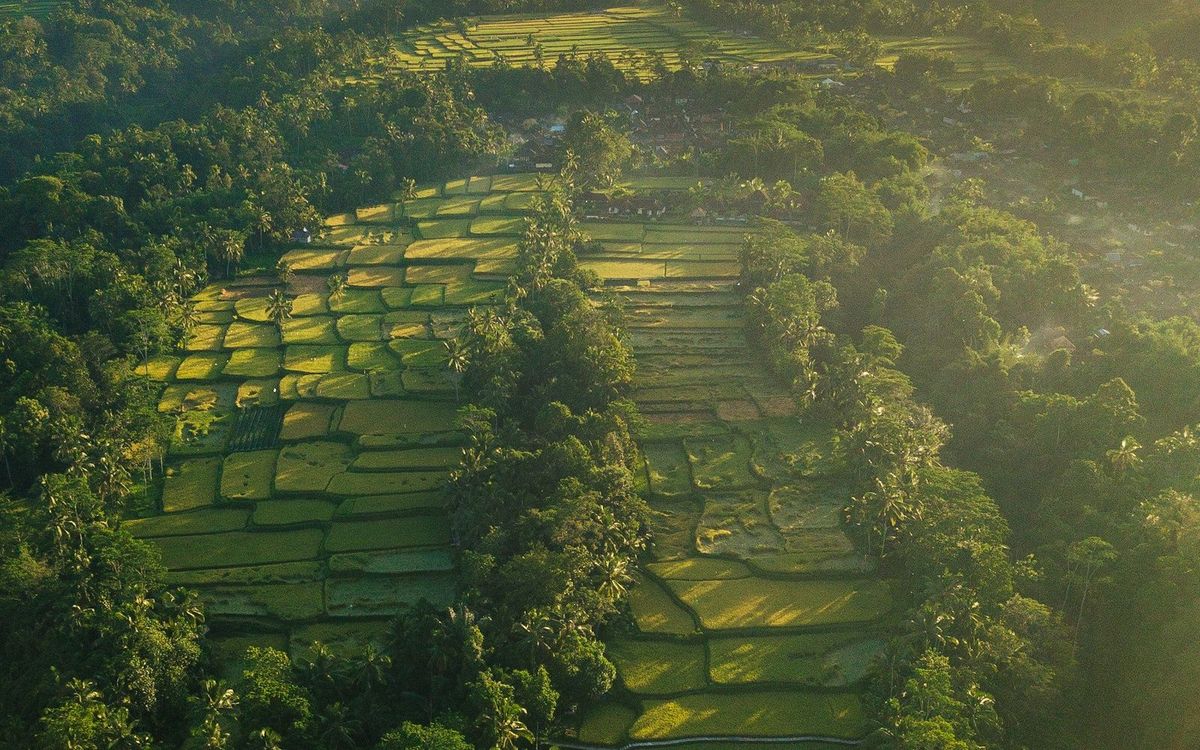
While the west coast (Kuta, Seminyak, Canggu) faces heavy Indian Ocean surf, the east and southeast coasts of Sanur and Nusa Dua sit behind protective barrier reefs that create calm, swimmable water.
Sanur vs. Nusa Dua: Which Should You Choose?
- Choose Sanur if you want an authentic, laid-back seaside town with a 6-kilometer paved, car-free beachfront boardwalk perfect for morning jogs, bicycle rides, and strollers. Sanur is also home to the modern Sanur Harbour terminal, making it the best overnight launchpad for 35-minute fast boats to Nusa Penida and Nusa Lembongan. Top picks: Andaz Bali (lush village-style luxury), Hyatt Regency Bali, and Maya Sanur Resort & Spa.
- Choose Nusa Dua (ITDC Enclave) if you want a manicured, gated resort park with wide grassy boulevards, white-sand beaches, zero street hawkers, and huge kids’ clubs. It feels less culturally Balinese than Ubud or Sanur, but for multi-generational Indian and Western families wanting zero friction, it is effortless. Top picks: The St. Regis Bali Resort, The Apurva Kempinski Bali, Sofitel Bali Nusa Dua Beach Resort, and Merusaka Nusa Dua.
Practical Booking & Arrival Logistics for Global and Indian Travelers
Flight Connectivity & Airport Transfers
- From India: IndiGo operates convenient direct flights from Bengaluru (BLR) to Denpasar (DPS), while Singapore Airlines, Malaysia Airlines, Scoot, and Thai Airways run fast one-stop connections from Delhi (DEL), Mumbai (BOM), Chennai (MAA), Hyderabad (HYD), and Kochi (COK).
- From Global Hubs: Direct flights connect Denpasar with Singapore, Dubai, Doha, Sydney, Melbourne, Perth, Tokyo, Seoul, and Amsterdam (via Singapore), taking you straight to the southern tourism belt.
- Transfer Times from DPS Airport: Nusa Dua (20–30 mins via Bali Mandara Toll Road); Seminyak (30–50 mins); Sanur (25–35 mins); Uluwatu (45–70 mins); Canggu (60–100 mins); Ubud (75–120 mins). For full island sightseeing routes, pair this guide with our complete Bali travel guide.
Visas, Tourist Levy & Currency Tips
- Electronic Visa on Arrival (e-VoA): Citizens of over 90 countries—including India, the United States, the UK, Canada, Australia, and EU member states—should apply online before departure exclusively through the Official Directorate General of Immigration e-VoA Portal (IDR 500,000 / ~USD 32 / ~INR 2,700 for 30 days). Having the e-VoA lets you use the automated biometric e-gates at Denpasar Airport, skipping 45-minute visa queues.
- Mandatory Bali Tourist Levy: Pay the IDR 150,000 (~USD 9.50 / ~INR 800) regional conservation and cultural fee via the Official Love Bali Provincial Portal prior to arrival and keep the QR code on your phone.
- Indian & Western Payment Notes: Hotels and upscale restaurants accept Visa and Mastercard seamlessly (often adding a 2%–3% card terminal fee at smaller guesthouses). For cash expenses like temple entrance tickets (IDR 50,000–100,000) and private drivers, withdraw Indonesian Rupiah from ATMs physically attached to major bank branches (BNI, BCA, Mandiri, or CIMB Niaga) using a zero-markup debit card, and never use unairconditioned street money changers advertising “too good to be true” zero-commission rates. For solo travelers, review our solo travel safety tips before heading out.
Frequently Asked Questions
Which area of Bali is best for first-time visitors?
Instead of picking a single base, first-time visitors should split their stay between two regions: spend 3 to 4 nights in Ubud for rice terraces, waterfalls, and temple culture, followed by 3 to 4 nights on the coast in Seminyak (for walkable sunset beaches and dining), Uluwatu (for dramatic limestone cliffs), or Sanur/Nusa Dua (for calm, swimmable waters and families).
Why shouldn't I book one hotel in Bali and do day trips everywhere?
Bali looks compact on a map, covering about 5,780 square kilometers, but narrow two-lane roads and scooter bottlenecks mean a 35-kilometer drive from Seminyak to Ubud or Canggu to Uluwatu routinely takes 90 minutes to 2.5 hours each way. Changing hotels once every 3 or 4 nights saves you 15+ hours of sitting in traffic over a week-long holiday.
Is Seminyak or Canggu better for couples and solo travelers?
Seminyak is far more walkable, polished, and convenient for couples who want upscale beach clubs, designer boutiques, and fine-dining restaurants within a 10-minute stroll of their resort. Canggu suits remote workers, surfers, and younger solo travelers in their 20s and 30s, though its lack of sidewalks and heavy scooter congestion along Batu Bolong and Berawa can frustrate pedestrians.
Which Bali beaches are actually safe for calm ocean swimming?
Nusa Dua and Sanur on the southeastern coast are protected by offshore coral reefs that break the Indian Ocean swell, creating calm, lagoon-like water ideal for swimming, kayaking, and young children. By contrast, Kuta, Seminyak, Canggu, and Uluwatu face powerful surf breaks and strong rip currents where you must swim strictly between the red-and-yellow lifeguard flags.
What extra taxes and Tourist Levy fees apply to Bali hotel bookings in 2026?
Most mid-range and luxury hotels in Bali add a 21% combined tax and service charge (10% service charge plus 11% government tax, often written as '++' on menus and rates). Additionally, international arrivals must pay the mandatory Bali Provincial Tourist Levy of IDR 150,000 (about USD 9.50 / INR 800) per person alongside the IDR 500,000 Indonesian Visa on Arrival.
Conclusion: Booking the Right Stay
Deciding where to stay in Bali becomes effortless once you stop looking for a single neighborhood that does everything. Start with three or four restorative nights surrounded by the jungle valleys and cultural workshops of Ubud, then move south to match your travel style: choose Seminyak for walkable sunset dining and shopping, Uluwatu for dramatic cliffside luxury, Canggu for surf and social energy, or Sanur and Nusa Dua for calm family lagoons.
Ready to map out your daily temple routes, waterfall hikes, and Nusa Penida day trips? Jump over to our comprehensive Bali travel guide, or explore how to combine Indonesia with neighboring countries in our Southeast Asia budget route.