
First-Time Hostel Guide: Privacy Pods, Safety & Tips
Our practical first time hostel guide covers privacy pod dorms, private rooms, locker security, social etiquette, and real booking costs in Europe and Asia.
 By Tanisha Published Updated 9 min read
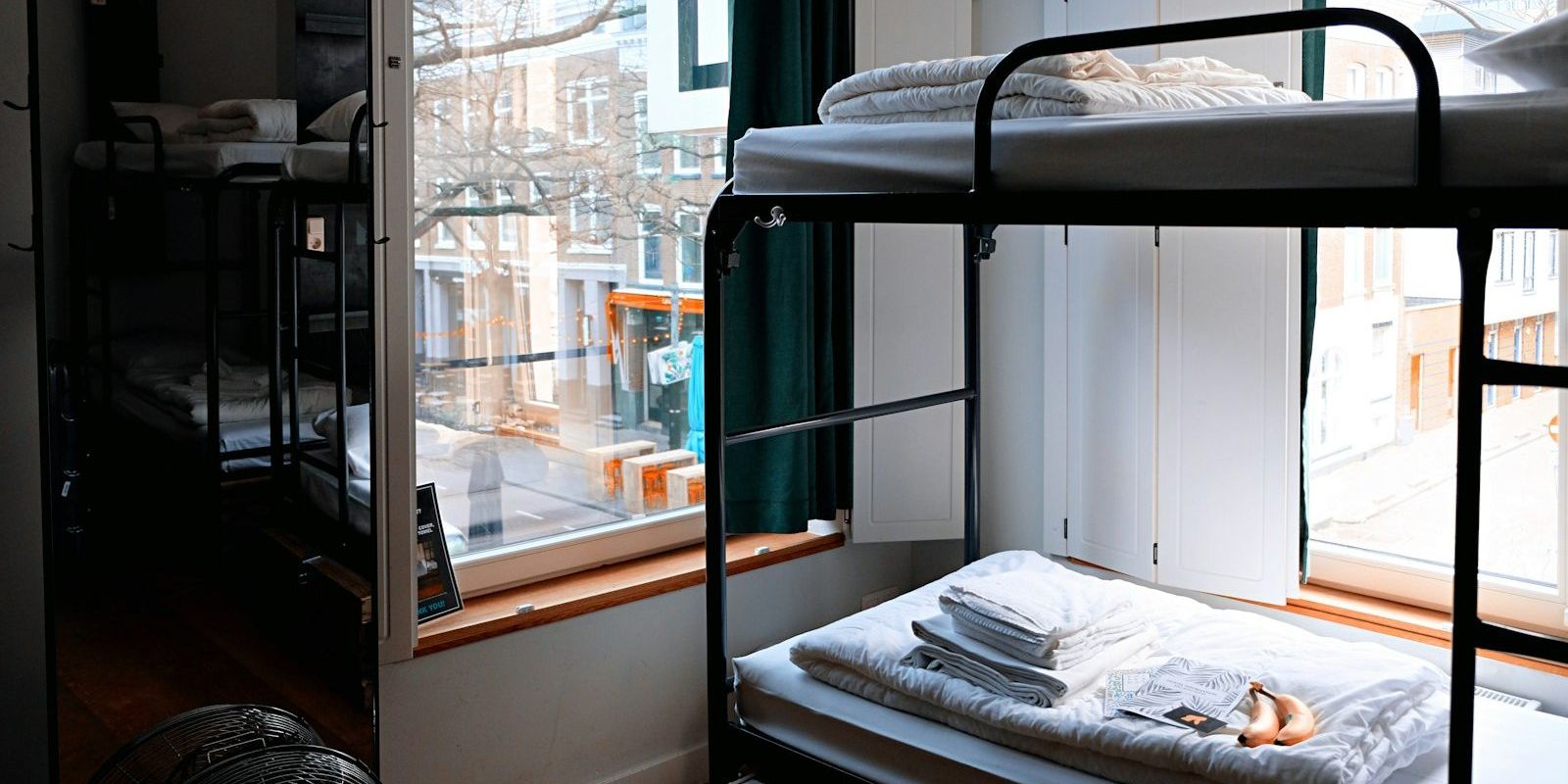
If your mental image of a hostel still comes from early-2000s horror movies or stories of creaky metal army bunks and lukewarm hallway showers, this first time hostel guide will completely reset your expectations. Over the past decade, a quiet architectural revolution has transformed budget accommodation from Amsterdam and Lisbon to Tokyo, Kyoto, and Bangkok. Today’s top-rated hostels feature custom-built timber privacy pods with blackout curtains, acoustic wall panels, biometric keycard security, rooftop co-working cafés, and hotel-caliber private rooms—all at a fraction of standard city-center hotel tariffs. Whether you are a solo traveler nervous about booking your first shared room or a budget-conscious couple comparing private rooms, here is everything you need to know to pick, pack for, and enjoy a modern hostel stay.
Why Modern Hostels Look Nothing Like Old Backpacking Dorms
Twenty years ago, the hostels market was purely utilitarian: cram as many tubular steel bunks into a converted townhouse as fire codes allowed. Today, independent brands and design-led chains—such as Wombats City Hostels, The Social Hub, Onefam, Nui. Hostels (Tokyo), Lub d (Thailand), and Zostel / The Hosteller (India)—compete directly with boutique lifestyle hotels.
Why do travelers who can comfortably afford a $180 three-star hotel still choose top-tier hostels?
- Unbeatable Central Locations: In cities like Paris, Rome, Barcelona, London, or Kyoto, a $45–$65 hostel pod puts you in a historic neighborhood where hotels start at $280+ per night.
- Instant Built-In Community Without Pressure: Traveling alone for two weeks can get surprisingly lonely in sterile hotel corridors. A hostel’s communal kitchen, courtyard café, or evening walking tour lets you chat with fellow travelers when you want company—and pull your blackout pod curtain shut when you want total solitude.
- Communal Kitchens Cut Food Costs in Half: Cooking a simple pasta dinner or scrambling eggs in a spotless guest kitchen in Switzerland, Scandinavia, or Japan saves $30 to $50 per day compared to eating every single meal in restaurants.
Choosing Your Room: Privacy Pods vs. Traditional Dorms vs. Private Rooms
When browsing booking platforms across our hotels and stays directory, filter aggressively by bed construction and room size. Not all dormitories are created equal.
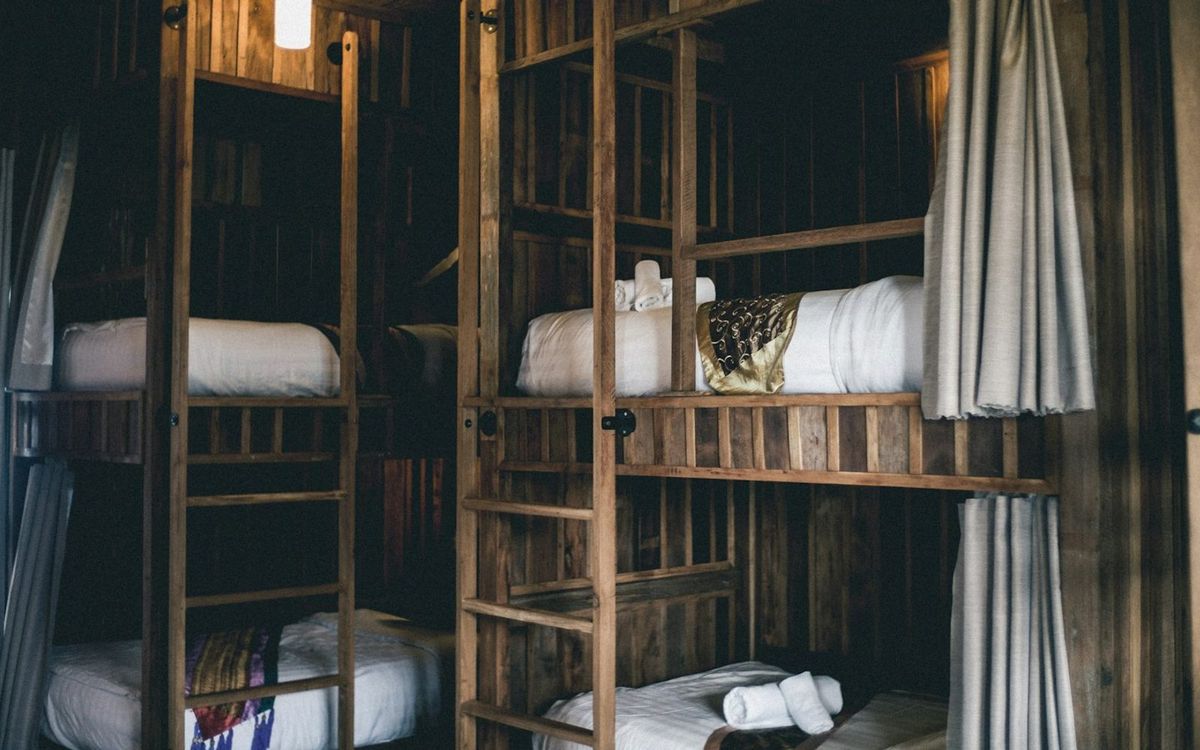
1. The Privacy Pod (“Box Bunk” or Capsule Dorm) — Best for First-Timers
Instead of open metal frames that shake every time the person on the top bunk rolls over, privacy pod dorms are built like sturdy carpentry cabinetry. Three walls are solid wood, and the fourth side features a heavy blackout curtain or roller blind. Inside your pod, you get a dedicated warm LED reading lamp, two universal power/USB-C sockets, a fold-down wall shelf for your phone, glasses, and water bottle, and a personal locker drawer below.
2. Female-Only vs. Mixed-Gender Dorms
Almost every reputable hostel designates a percentage of its 4-, 6-, and 8-bed rooms as Female-Only Dorms. These often require a separate keycard swipe for the corridor or floor, feature upgraded hair dryers, vanity mirrors, and extra hooks in the bathroom, and typically cost the exact same price (or $2–$4 more) than mixed dorms.
3. Private Rooms in Hostels — The Secret Value for Couples & Remote Workers
Roughly 30% to 40% of rooms in modern boutique hostels are Private Double, Twin, or Family Rooms (available with either a private en-suite bathroom or a shared hallway bathroom). You get a real queen bed, hotel linens, bath towels, and a locked door for your partner or deep-focus work calls, plus full access to the rooftop bar, laundry room, and social events downstairs.
Global Hostel Costs Compared (2026 Nightly Rates)
Note: All rates below are approximate 2026 averages per bed (or per room for privates) and fluctuate by season, weekend demand, and currency shifts (1 USD ≈ 84 INR ≈ 0.92 EUR ≈ 152 JPY).
| Region & Hub Cities | 8–10 Bed Standard Dorm (USD / INR / Local) | 4–6 Bed Privacy Pod Dorm (USD / INR / Local) | Private En-Suite Room for 2 (USD / INR / Local) | Typical City Tax / Extras |
|---|---|---|---|---|
| Western Europe (Amsterdam, Paris, Rome, London) | $38 / ₹3,190 / €35 | $58 / ₹4,870 / €53 | $145 / ₹12,180 / €133 | €2.50–€7.50/night city tax; €4 towel |
| Central & Southern Europe (Lisbon, Prague, Budapest, Seville) | $24 / ₹2,015 / €22 | $36 / ₹3,025 / €33 | $92 / ₹7,730 / €85 | €1.50–€4.00/night city tax |
| Japan (Tokyo, Kyoto, Osaka, Fukuoka) | $25 / ₹2,100 / ¥3,800 | $38 / ₹3,190 / ¥5,800 | $105 / ₹8,820 / ¥15,900 | ¥100–¥200 accommodation tax |
| Southeast Asia (Bangkok, Chiang Mai, Bali, Hanoi) | $10 / ₹840 / 340 THB | $18 / ₹1,510 / 610 THB | $46 / ₹3,865 / 1,560 THB | Usually tax-inclusive; AC 24/7 |
| India (Rishikesh, Udaipur, Jaipur, Goa, Fort Kochi) | $8 / ₹670 | $14 / ₹1,175 | $38 / ₹3,190 | 12% GST added at checkout |
The 5-Minute Vetting Checklist: How to Spot a Great Hostel Online
Before clicking “Book,” spend five minutes running any property through these five filters on major directories like Hostelworld or the non-profit Hostelling International (HI) Network:
- Never Book Below an 8.5/10 Overall Rating (with 300+ Recent Reviews): A rating of 7.4/10 on a hotel site might be acceptable; in the hostel world, anything under 8.3/10 usually signals bad mattresses, dirty shared bathrooms, or indifferent staff. Sort reviews by “Newest First” to verify cleanliness over the past 60 days.
- Inspect the Dorm Photos for Curtains & Outlets: Zoom in on the actual dormitory photos (not just the trendy lobby bar). Do the bunks have privacy curtains? Are there individual reading lights inside each bunk? Are the stairs to the top bunk sturdy box steps or painful thin round metal rungs?
- Identify the Vibe (“Party Hostel” vs. “Social Boutique” vs. “Quiet Capsule”): Read the property description carefully. Words like “legendary beer pong nights,” “free shots on arrival,” and “no curfew bar until 4:00 AM” mean you will not sleep before 3:00 AM. Look instead for phrases like “morning walking tours,” “family dinners,” “co-working lounge,” and “quiet hours after 11:00 PM.”
- Check the Bathroom-to-Bed Ratio: An en-suite bathroom inside an 8-bed dorm sounds convenient until three people want to shower at 8:30 AM and the bathroom floor stays wet all day. The best setup is a 4-bed dorm with a split bathroom (toilet sink separated from the shower stall) OR a corridor of hotel-style individual floor-to-ceiling lockable bathroom pods just outside the room.
Unwritten Rules of Hostel Etiquette (How Not to Be “That Guest”)
Sharing a bedroom with three to five strangers works smoothly when everyone observes five simple courtesies:
- Pack Your Bags the Night Before an Early Flight: If you have a 6:30 AM train or flight, pack 95% of your backpack at 9:00 PM the evening before. Lay your morning clothes, toothbrush, and passport on top, and never rustle plastic grocery bags at 5:00 AM.
- Use Your Phone Flashlight—Never the Overhead Ceiling Light—After 10:30 PM: Walking into a dark dorm at midnight and flipping on the main fluorescent ceiling switch wakes six people instantly. Use your phone’s dim screen or your bunk’s personal reading light behind a closed curtain.
- Snooze Alarms Are Forbidden: Set a vibrating smartwatch alarm or keep your phone right next to your pillow on low volume so you can turn it off on the first chime.
- Label Your Food & Wash Every Dish Immediately: Communal fridges provide masking tape and a Sharpie pen. Write your Name + Room/Bed Number + Check-Out Date on your milk, yogurt, or leftovers. Free shelves labeled “Free Food” hold olive oil, salt, pasta, and spices left behind by departing travelers—help yourself!
- Take Calls and Video Chats to the Lobby or Courtyard: Keep dorms strictly as quiet sleep sanctuaries, regardless of the time of day, since jet-lagged travelers may be resting at 2:00 PM.
Essential Packing List & Security Habits for Hostel Stays
Pairing smart gear with the habits covered in our solo travel safety tips and backpacking budget travel guides eliminates 99% of first-timer anxiety:
- A Medium-Shackle Combination Padlock (35mm–40mm): Avoid tiny TSA luggage locks (too easy to snap) and huge industrial locks (too thick to fit through standard hostel locker hasps). A 4-digit resettable combination lock with a 6mm shackle thickness fits 99% of lockers in Europe and Asia—and you never have to worry about losing a key while swimming.
- A Multi-Port GaN Charger + 1.5-Meter Cable: Sometimes your bunk socket is placed near the foot of the bed rather than the pillow. A braided 1.5m or 2m USB-C cable ensures your phone reaches your shelf.
- Packable Hanging Toiletry Bag: Shared shower stalls rarely have dry counter space. A toiletry kit with a built-in metal or plastic swivel hook hangs right on the back of the shower door alongside your clothes and microfiber towel.
- Molded Silicone Earplugs & Contoured 3D Eye Mask: Even in a quiet 4-bed pod dorm, someone may arrive from a delayed flight at 1:00 AM. Silicone putty earplugs block low-frequency snoring far better than cheap foam cylinders.

Practical Booking Notes for Global & Indian Travelers
- Direct Booking vs. Aggregator Perks: Many travelers research reviews on Hostelworld (which unlocks access to the app’s group chat for your destination city 14 days before arrival) and then check the hostel’s own website. Booking direct often includes a free welcome drink, complimentary breakfast upgrade, or free towel rental.
- Cancellation Flexibility: Always choose the “Free Cancellation (up to 24–48 hours before arrival)” rate for only $1 to $3 extra per night. One of the best parts of hosteling along a Southeast Asia budget route or European rail pass trip is meeting a great group of travelers and deciding spontaneously to extend your stay by two nights.
- Mixing Stays to Avoid Burnout: Even seasoned backpackers hit “dorm fatigue” after five or six consecutive nights in shared rooms. On a two-week trip, book four nights in a social pod hostel, reward yourself with two nights in a private boutique guesthouse or traditional inn (like those in our Japan ryokan and onsen culture guide), and then return to hostels refreshed.
Frequently Asked Questions
Am I too old to stay in a hostel if I am in my 30s, 40s, or 50s?
Not at all, provided you pick the right property style. While 18-to-22-year-old party hostels exist in nightlife hubs, the fastest-growing segment of the industry is 'design and boutique poshtels' in Europe and Japan that cater to remote workers, solo professionals, and older flashpackers. Simply avoid hostels advertising nightly drinking games and book either a 4-bed privacy pod dorm or a private en-suite room.
How do I keep my laptop, passport, and camera safe in a shared hostel dorm?
Almost every modern hostel provides individual under-bed steel rolling drawers or full-height lockers assigned to your bunk. However, hostels rarely supply the padlock itself—you must bring your own sturdy 35mm–40mm combination padlock or shackle lock. Store your passport, backup credit card, and laptop inside that locked bin whenever you shower, sleep, or leave the building.
Should I book a 4-bed dorm, an 8-bed dorm, or a female-only dorm for my first stay?
For your very first hostel night, book a 4-bed or 6-bed dormitory (and a female-only dorm if you are a solo woman who wants maximum comfort right away). While 12-to-16-bed mega-dorms are USD 8 to USD 12 cheaper per night, the probability of encountering a loud snorer or a 3:00 AM airport packer rises exponentially once a room exceeds six beds.
What is the difference between a traditional bunk dorm and a privacy pod hostel?
A traditional dorm uses open metal or wooden bunk frames that squeak when your bunkmate climbs the ladder and leave you exposed to room light. A privacy pod (or box-bunk) builds solid wooden walls around three sides of your mattress and adds a heavy blackout curtain, an individual reading light, a small shelf for glasses and phones, and dedicated universal power outlets inside your personal nook.
Are bedsheets and bath towels included in the price of a hostel bed?
Fresh bed linens, a pillow, and a duvet or blanket are included in the nightly rate at 99% of licensed hostels worldwide (and bringing your own external sleeping bag is strictly banned across Europe to prevent bedbugs). However, bath towels are usually only free in private rooms; dorm guests typically pay a small towel rental fee of USD 2 to USD 5 unless they pack a fast-drying microfiber towel.
Conclusion: Booking the Right Stay
Using this first time hostel guide, your first shared stay doesn’t have to feel like a gamble. Start by filtering for a property rated 8.7+ out of 10, choose a 4-bed or 6-bed privacy pod dorm (or a private room if you want hotel privacy with hostel social spaces), pack a reliable 40mm combination padlock and earplugs, and join a morning walking tour or communal dinner on your first day.
Ready to put these booking skills to work on a real itinerary? Check out our step-by-step Southeast Asia budget route for the best first-timer backpacking loop, and read our essential solo travel safety tips before you take off.