Wildlife Safari Guide: Masai Mara vs India Reserves
Compare East Africa and South Asia in our wildlife safari guide covering Masai Mara and Indian tiger reserves, permit rules, and costs in USD and INR.
 By Shivam Published Updated 9 min read
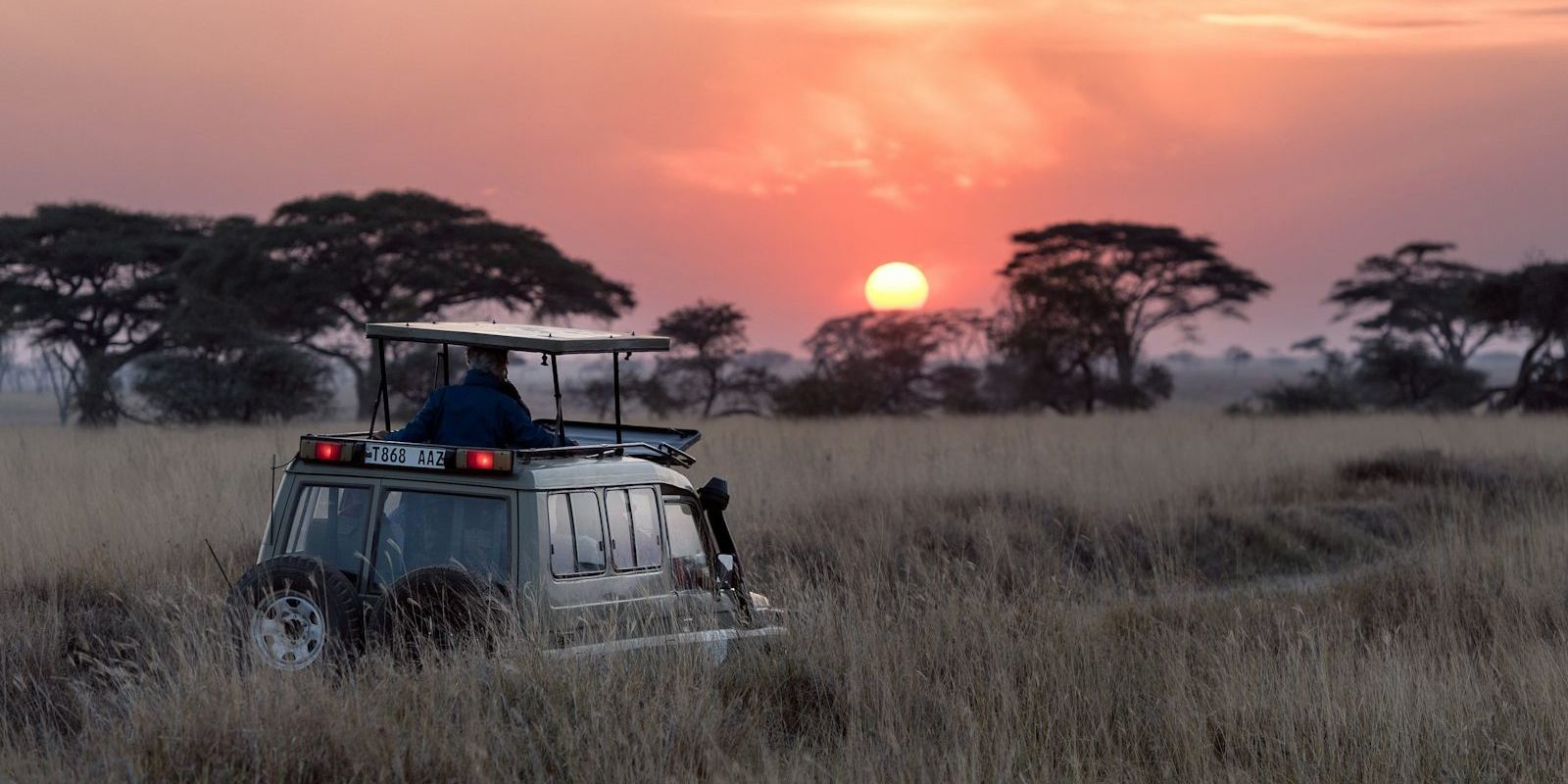
Watching a royal Bengal tiger emerge silently from golden bamboo thickets in central India or witnessing a pride of black-maned lions shadow a million wildebeest across the Mara River are the two pinnacle experiences of global nature travel. Yet despite both being called a “game drive,” the daily rhythm, tracking philosophy, vehicle engineering, and permit budgets of South Asia and East Africa could not be more different. This comprehensive wildlife safari guide puts Kenya’s legendary Masai Mara head-to-head against India’s premier Project Tiger strongholds—Ranthambore, Bandhavgarh, Kanha, and Kaziranga. Whether you are a first-time wildlife enthusiast or an avid telephoto photographer, here is how to navigate zone lotteries, seasonal migrations, vaccination mandates, and real-world costs across USD, INR, and KES.
Two Worlds of Wilderness: Savannah Panorama vs Jungle Tracking
To choose the right trip inside our wildlife and safari collection, you must first understand the fundamental ecological contrast between East Africa and the Indian subcontinent.
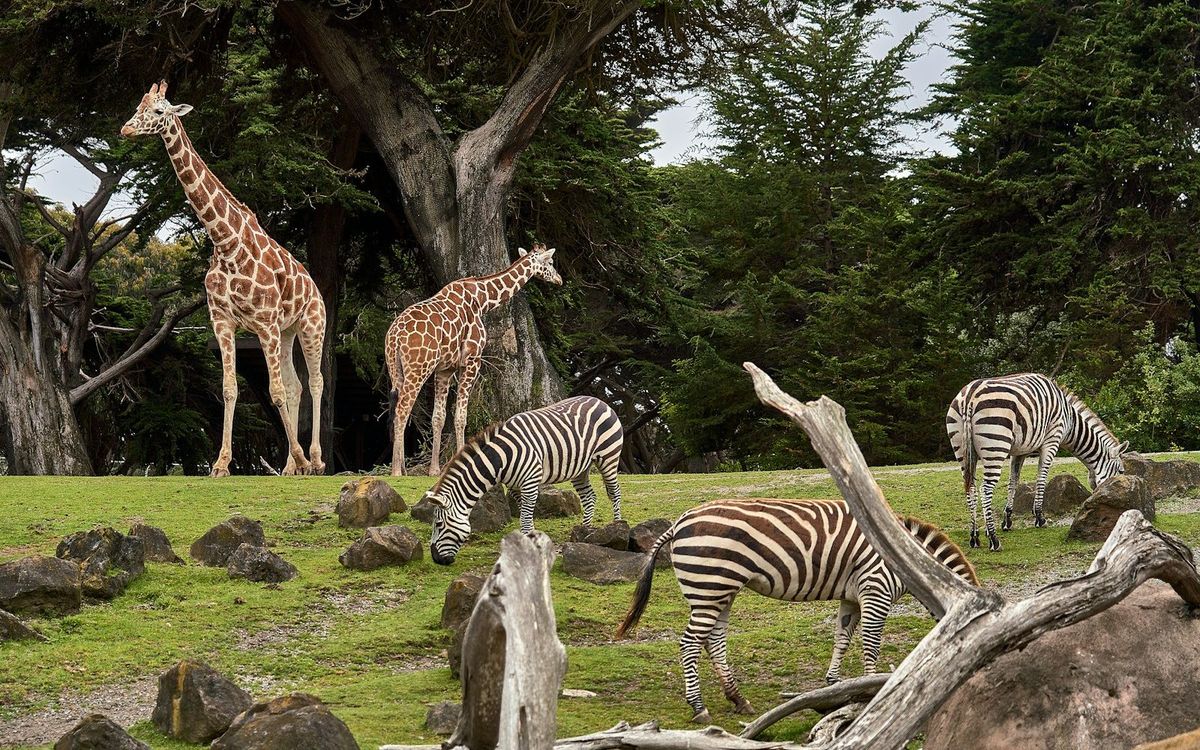
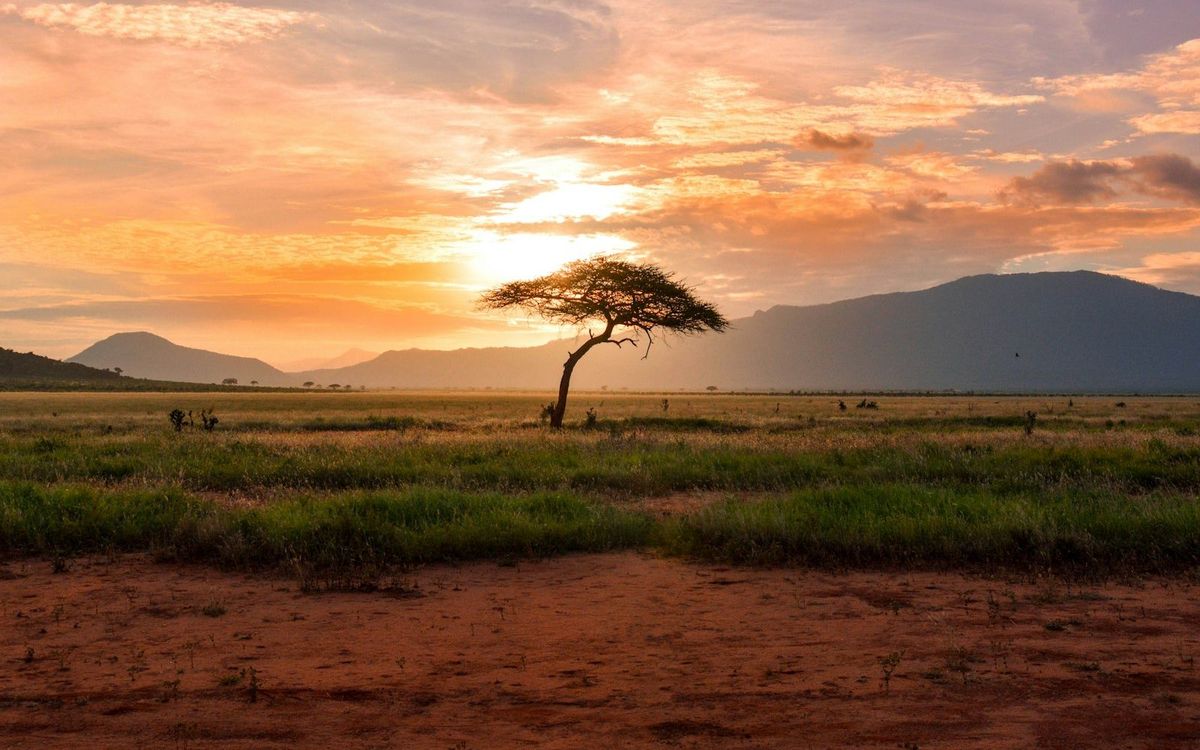
The Masai Mara (Kenya) is an endless, rolling amphitheater of short-grass savannah dotted with flat-topped Acacia tortilis trees. Visibility stretches for miles in every direction. Within thirty minutes of leaving your tented camp at dawn, it is entirely normal to see herds of plains zebra, Topi, Thomson’s gazelles, Masai giraffes, Cape buffalo, and African bush elephants grazing inside a single binocular sweep. A Mara safari is a feast of abundance, scale, and sustained interaction—you can park beside a cheetah mother and her cubs for three uninterrupted hours, eating a packed bush breakfast from the hood of your Land Cruiser while watching them scan the horizon.
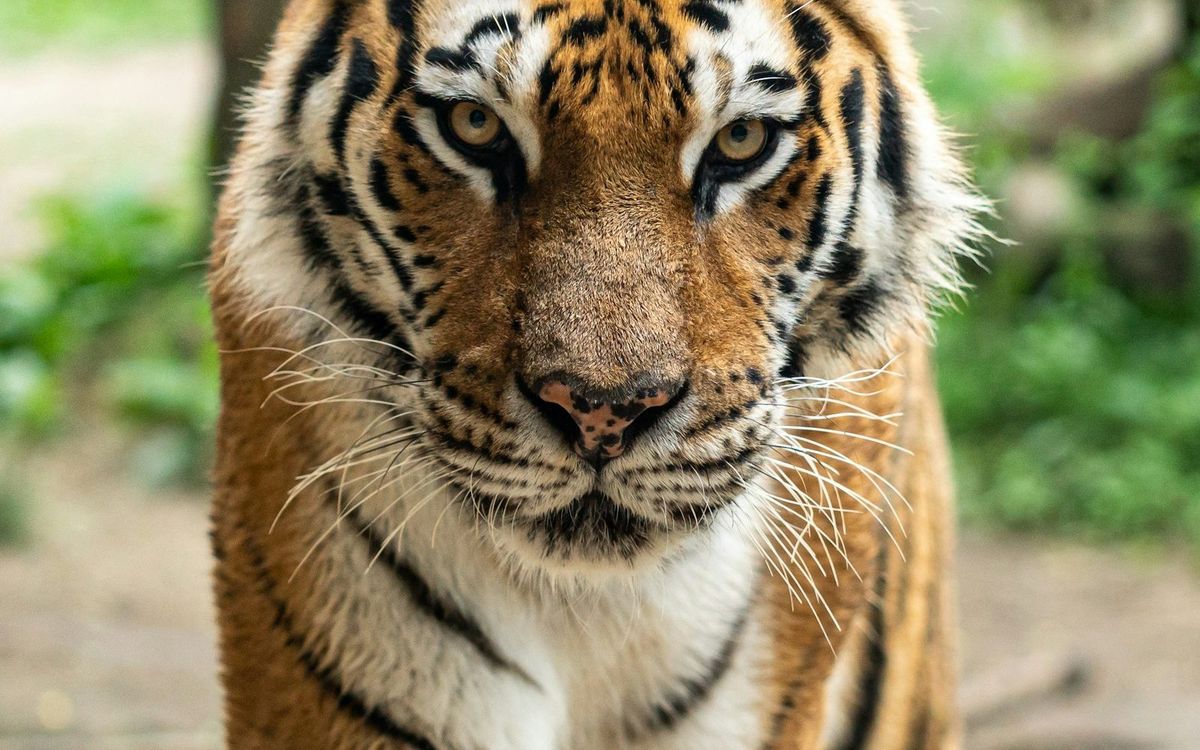
India’s Tiger Reserves (Madhya Pradesh, Rajasthan, Maharashtra, Assam) are dense, dappled, cathedral-like forests of sal, teak, dhok, and towering bamboo interspersed with grassy meadows (maidans) and ancient moss-covered forts. You do not scan five miles of open horizon here; instead, you and your naturalist listen intently to the forest’s acoustic warning network. When a leopard or Bengal tiger walks along a dry riverbed, spotted deer (chital), sambar stags, and Hanuman langurs unleash sharp, metallic alarm calls from the canopy. An Indian safari is an intimate detective story—built around pugmarks in the sand, territorial claw marks on tree trunks, and the electric adrenaline rush when a 220-kilogram striped apex predator steps into a sunbeam ten meters from your open jeep.
Head-to-Head Comparison: Masai Mara vs Indian Tiger Reserves
Before locking in flights, compare the operational rules and wildlife diversity across both regions:
| Feature / Metric | Masai Mara & Conservancies (Kenya) | Premier Tiger Reserves (India) |
|---|---|---|
| Signature Wildlife | Lion, Leopard, Cheetah, African Elephant, Black Rhino, Wildebeest, Hippo, Giraffe | Royal Bengal Tiger, Indian Leopard, Sloth Bear, One-Horned Rhino (Kaziranga), Gaur, Wild Dog (Dhole) |
| Primary Safari Vehicle | Custom 4x4 Toyota Land Cruiser (Pop-up roof or open-sided photography conversion) | Open-top 4x4 Maruti Gypsy (6-seater) or 20-seater open Canter bus |
| Daily Drive Schedule | Full-day drives permitted (6:00 AM – 6:00 PM) or flexible morning/afternoon drives | Strictly timed shifts: Morning (6:00–10:00 AM) and Afternoon (2:30–6:00 PM) |
| Zone Restrictions | Unrestricted movement across the 1,510 sq km National Reserve (strictly on tracks) | Strict Core Zone & Buffer Zone allocation; jeeps cannot cross outside assigned zone |
| Night Drives & Off-Roading | Allowed only inside adjacent Private Conservancies (Mara North, Olare Motorogi, Naboisho) | Strictly prohibited in all Core Zones; limited dusk buffer drives in select MP parks |
| Park Closure Period | Open 365 days a year (April–May “Long Rains” sees lush grass & lower camp rates) | Core zones closed July 1 to Sept 30 for the southwest monsoon breeding season |
Deep Dive: How Indian Tiger Safaris Work
Regulated by the National Tiger Conservation Authority (NTCA) and managed by State Forest Departments, India holds over 75% of the world’s wild tiger population (more than 3,680 tigers). Every reserve is divided into Core Zones (critical tiger habitat) and Buffer Zones (surrounding forest corridors).
Choosing the Right Indian National Park
- Bandhavgarh & Kanha (Madhya Pradesh): Bandhavgarh (Tala, Magadhi, and Khitauli zones) boasts one of the highest densities of Bengal tigers on earth set against Vindhya cliffs. Kanha (Kisli, Mukki, and Kanha zones) is famous for sal forests, open meadows, and saving the hard-ground Barasingha (swamp deer).
- Ranthambore (Rajasthan): Just 3.5 hours by train from New Delhi or a short drive from Jaipur, Ranthambore sets bold tigers against a 10th-century fortress and lotus lakes.
- Tadoba-Andhari (Maharashtra): Accessed via Nagpur, Tadoba is a powerhouse for summer tiger and black leopard sightings.
- Kaziranga (Assam): Along the Brahmaputra floodplains, Kaziranga is the world capital of the Greater One-Horned Rhinoceros, wild water buffalo, and floodplain tigers.
Deep Dive: How a Masai Mara Safari Works
In Kenya, wildlife management spans national parks run by the Kenya Wildlife Service (KWS) (such as Amboseli and Lake Nakuru) and county-managed reserves like the Masai Mara National Reserve (administered by Narok County).
National Reserve vs Private Maasai Conservancies
Splitting your nights between the Main National Reserve and the bordering Private Conservancies (Mara North, Olare Motorogi, Naboisho, Ol Kinyei) gives you the best of both worlds:
- Masai Mara National Reserve: Home to the famous Mara River crossings between July and October as 1.5 million wildebeest and zebras brave giant Nile crocodiles. The non-resident daily entry fee is $100 USD per day (Jan–June) and $200 USD per day (July–Dec), and driving after 6:00 PM or off-roading is prohibited.
- Mara Conservancies: Leased directly from Maasai landowners, conservancies restrict vehicle density to five per sighting, exclude day-trippers, and permit guided bush walks, bush dinners, and night game drives to spot nocturnal predators.
Complete 5-Day Safari Budget Comparison: USD, INR & KES
To help both international and Indian travelers compare real out-of-pocket costs, the table below details a 5-day / 4-night mid-range wildlife safari per person (based on 2 adults sharing a private 4x4 vehicle and staying at comfortable 4-star tented camps or jungle lodges).
| Cost Component (Per Person, Twin Share) | 5-Day Masai Mara Safari (USD / INR / KES) | 5-Day India Tiger Safari — Kanha or Bandhavgarh (USD / INR) |
|---|---|---|
| 4 Nights Mid-Range Lodge / Tented Camp (Full Board) | $1,100 / ₹92,400 / KES 141,900 | $680 / ₹57,120 |
| Park Permits + Private 4x4 Vehicle + Guide (6–8 Drives) | $1,250 / ₹1,05,000 / KES 161,250 (Includes 3 days peak $200 Mara fee + Land Cruiser share) | $480 / ₹40,320 (Indian Nationals) OR $820 / ₹68,880 (Foreign Nationals — 6 Core Exclusive Gypsy Drives) |
| Airport Transfers (Nairobi–Mara Road/Air or Nagpur/Jabalpur–Park) | $220 / ₹18,480 / KES 28,380 (Road) or $420 (Bush Flight) | $110 / ₹9,240 (Private AC Innova SUV round-trip) |
| Driver, Tracker & Camp Staff Tipping | $100 / ₹8,400 / KES 12,900 | $60 / ₹5,040 |
| Total 5-Day Land Safari Cost (Per Person) | $2,670 USD / ₹2,24,280 INR / KES 344,430 | $1,330 USD (₹1,11,720) [Indian] / $1,670 USD (₹1,40,280) [Foreign] |
Note: All prices are approximate 2026 estimates and subject to change based on seasonal park fee revisions and currency exchange rates (1 USD = 84 INR = 129 KES). Excludes international flights and visas.
Travel Logistics: Flights, Visas & Vaccination Rules
- Reaching Kenya (Nairobi - NBO): Kenya Airways, Air India, and IndiGo operate non-stop flights between Mumbai (BOM) or New Delhi (DEL) and Nairobi (NBO) in just 6 to 6.5 hours, while one-stop connections run via Addis Ababa, Dubai, and Doha. From the West, Kenya Airways and British Airways fly non-stop from New York (JFK), London (LHR), Paris (CDG), and Amsterdam (AMS). From Nairobi’s Wilson Airport (WIL), 45-minute bush planes reach Mara airstrips directly, or you can drive 5.5 hours via the Great Rift Valley.
- Reaching Indian Reserves: Fly into New Delhi (DEL) or Mumbai (BOM) and connect domestically to Jabalpur, Raipur, or Nagpur (for Kanha, Bandhavgarh, and Tadoba), Jaipur or express train to Sawai Madhopur (for Ranthambore), or Guwahati / Jorhat (for Kaziranga).
- Visas & Yellow Fever Rules: Kenya requires an online Electronic Travel Authorisation (eTA) ($32.50 USD / ₹2,730 INR) for all visitors, while foreign travelers to India apply for an Indian e-Tourist Visa ($25–$80 USD). Crucially, if you travel between Kenya and India, India mandates a valid Yellow Fever Vaccination Certificate administered at least 10 full days before arrival.
- Safari Evacuation Coverage: In remote regions of the Masai Mara, safari operators typically include AMREF Flying Doctors air-ambulance coverage (~$16 USD) for emergency airlifts to Nairobi. Pair this with a comprehensive medical plan after reading our guide to travel insurance explained and checking our travel insurance category.
Safari Packing Essentials & Bush Etiquette
Whether you face freezing winter dawn drives in North India (where December and January mornings in Ranthambore or Kanha drop to 4°C / 39°F in an open jeep) or high-altitude mornings on the Mara plains (1,500–1,900m elevation), layering in neutral earth tones is vital. Alongside our international travel packing list, pack:
- Olive, Khaki, Tan, and Brown Layers: Avoid bright white, neon colors, or dark blue/black (which attract biting tsetse flies in the Mara). Leave military camouflage at home, as it is illegal for civilians in Kenya.
- Dust Buff & 8x42 Binoculars: Essential for red forest dust in central India and spotting leopards draped in distant acacia trees.
Frequently Asked Questions
What is the main difference between a Masai Mara safari and an Indian tiger safari?
The Masai Mara offers open savannah plains where you spend full 8-to-10-hour days inside a closed or pop-top 4x4 Land Cruiser viewing hundreds of lions, elephants, and wildebeest simultaneously. Indian tiger reserves feature dense sal and bamboo forests where you take strictly timed 3.5-to-4-hour morning and afternoon drives in open-top Maruti Gypsy jeeps tracking elusive Bengal tigers.
How much are the Masai Mara National Reserve daily park fees?
Narok County restructured the Masai Mara National Reserve entry fees for non-residents to $100 USD per adult per day from January through June, and $200 USD per adult per day during the peak Great Migration season from July 1 through December 31. Each ticket is valid for a strict 12-hour day window from 6:00 AM to 6:00 PM.
How far in advance must I book core zone tiger safari permits in India?
Core zone Maruti Gypsy permits in premier Indian parks like Ranthambore, Bandhavgarh, Kanha, Tadoba, and Jim Corbett open 90 to 120 days in advance on official state forest portals. Because each zone caps vehicle numbers strictly to prevent crowding, weekend and peak spring slots sell out within days of release.
Do I need a Yellow Fever vaccination for a wildlife safari in Kenya or India?
Kenya is classified as a Yellow Fever endemic zone. While travelers flying directly from North America or Europe to Nairobi do not strictly need a certificate to enter Kenya, India mandates a valid Yellow Fever Vaccination Certificate taken at least 10 days before arrival for anyone returning from or transiting through Kenya.
Which destination is more affordable for a 5-day wildlife safari?
Even after accounting for foreign national permit surcharges in Madhya Pradesh and Rajasthan, a 5-day Indian tiger safari typically costs 30% to 45% less than a comparable Masai Mara trip, largely because Kenya's $200 USD daily peak park fees and private 4x4 Land Cruiser fuel and guide charters add up rapidly.
Conclusion: Preparing for the Outdoors
Choosing between the Masai Mara and India’s tiger heartland is not a question of which safari is superior—it is a choice between two utterly captivating spectacles of the natural world. Head to Kenya when you want endless skies, full-day bush immersion, and the raw drama of the Great Migration; head to central or northern India when you crave the heart-pounding suspense of tracking a wild Bengal tiger through ancient sal forests and mist-shrouded ruins.
If you are mapping out a broader outdoor bucket list across continents, see how North American wildlife and campsite rules work in our US National Parks camping guide, or explore alpine backcountry hut systems in our New Zealand Great Walks guide. For more wilderness journalism and planning tools, visit our main Adventure & Outdoors hub.
Explore more