US National Parks Camping Guide: Permits & Gear
Master Recreation.gov bookings with our us national parks camping guide covering tent and RV costs in USD and INR, bear safety, and backcountry permits.
 By Tanisha Published Updated 9 min read
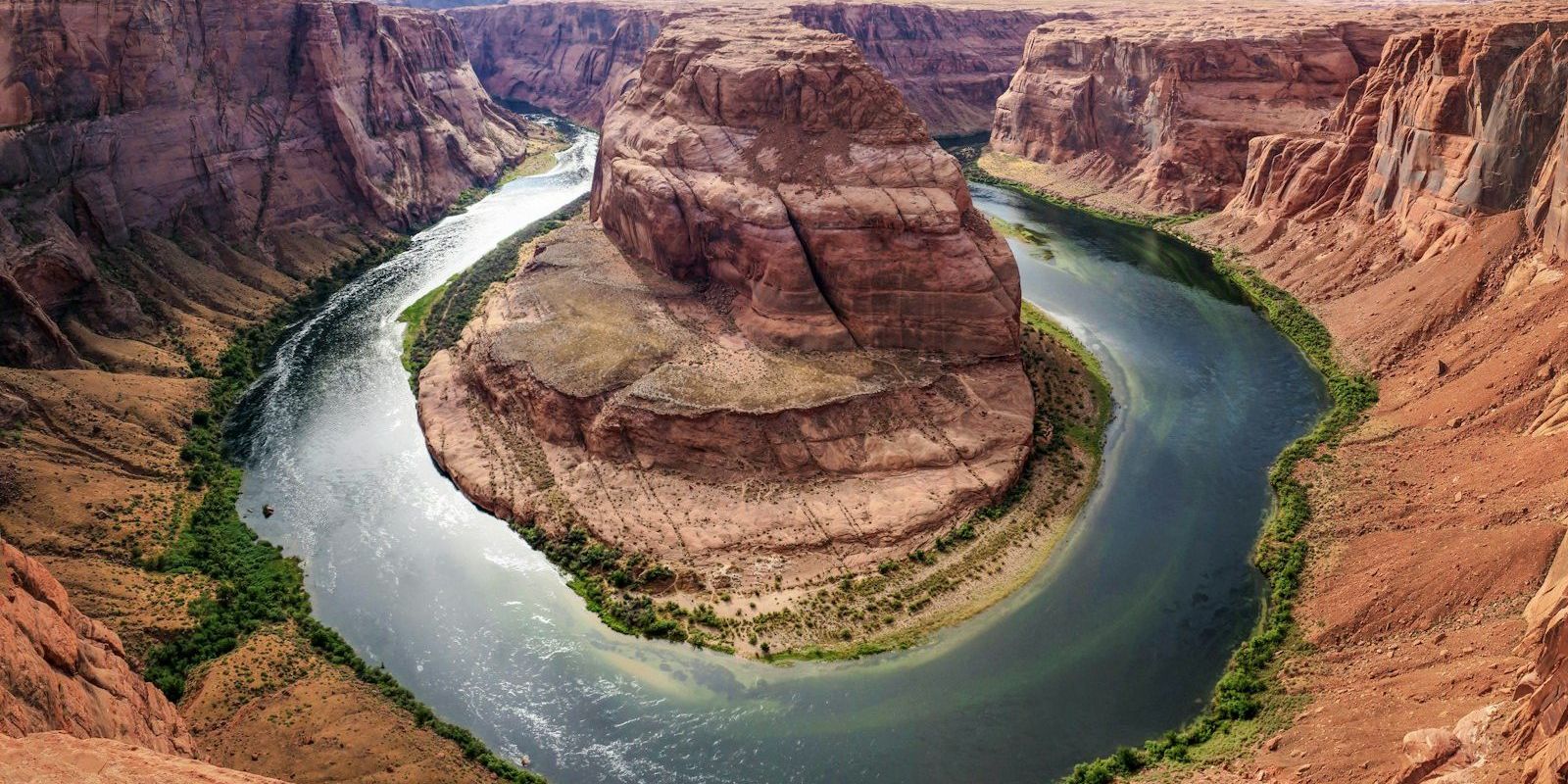
Waking up unzipping your tent to the sight of Half Dome glowing amber at dawn or watching the Milky Way arch above Utah’s sandstone monoliths is the gold standard of North American road tripping. Yet with over 325 million annual visits across the park system, spontaneously rolling up to a ranger kiosk on a July afternoon and hoping for an empty pitch is a recipe for sleeping in a highway rest stop. This us national parks camping guide decodes the exact reservation timelines, permit lotteries, bear-country regulations, and dual-currency budgets in USD and INR that both domestic and international travelers need to secure prime campsites. Whether you are pitching a two-person dome tent in the Grand Canyon or piloting a rented campervan through Yellowstone, here is how to plan a seamless outdoor escape.
Understanding the US National Park Camping Landscape
Managed by the US National Park Service (NPS), national park campgrounds are prized not for resort-style amenities—most actually lack electricity, Wi-Fi, and swimming pools—but for their unbeatable location right inside the park core. When you sleep at Watchman Campground in Zion, Mather Campground at the Grand Canyon, or Upper Pines in Yosemite Valley, you are already inside the park gates before sunrise. That means you bypass two-hour entrance-station traffic jams and timed-entry vehicle reservation checks, stepping onto world-famous trails while day-trippers are still drinking coffee forty miles away in gateway towns.
Broadly speaking, camping in and around the parks falls into three distinct tiers:
- Developed Frontcountry Campgrounds (NPS): Drive-up sites with numbered parking spurs, level gravel or dirt tent pads, steel fire rings with grates, heavy wooden picnic tables, potable water spigots, and shared restroom blocks (flush toilets in summer, vault toilets in winter). Most have no electric or sewer hookups for RVs, and many lack showers.
- Concessioner-Run RV & Cabin Loops: In parks like Yellowstone, Grand Canyon, and Glacier, private concessioners (such as Xanterra or Delaware North) operate select large campgrounds with full RV utility hookups, coin-operated laundry, and hot showers at higher nightly rates ($60–$110 USD / ₹5,040–₹9,240 INR).
- Backcountry Wilderness Sites: Reached exclusively by foot, canoe, or packhorse. These require a separate Wilderness Backcountry Permit (often awarded via seasonal lottery on Recreation.gov) and strict adherence to Leave No Trace practices.
How to Beat the Rush on Recreation.gov
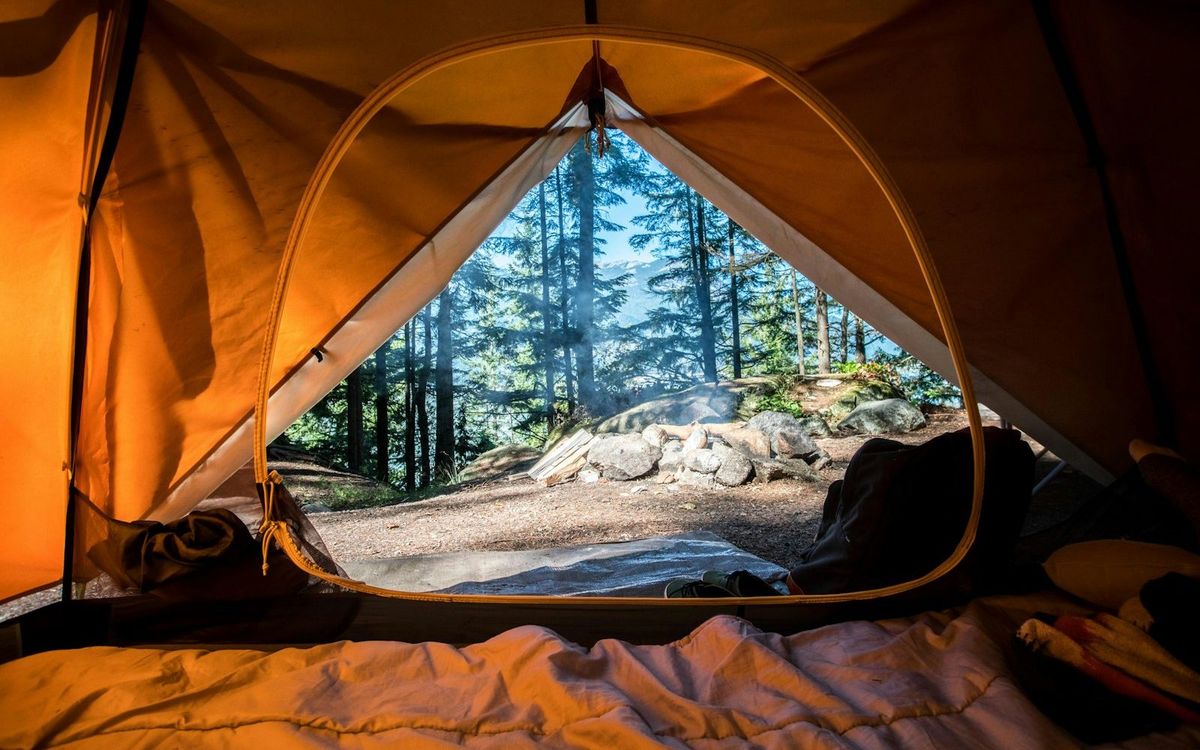
Almost every NPS campground reservation in the United States is processed through Recreation.gov. For flagship parks between May and October, demand outstrips supply by ten to one. Understanding the exact clock mechanics of the reservation portal is the difference between sleeping beneath giant sequoias and paying $350 USD a night for a motel an hour away.
| National Park | Top Campgrounds | Booking Window Release Rule | Nightly Fee (USD / INR) | Best Season |
|---|---|---|---|---|
| Yosemite (CA) | Upper, Lower & North Pines | 5 months ahead on the 15th of each month at 7:00 AM PT (10:00 AM ET / 7:30 PM IST) | $36 / ₹3,025 | May – October (Valley open year-round) |
| Grand Canyon (AZ) | Mather (South Rim) & North Rim | 6 months rolling window daily at 10:00 AM ET (7:30 PM IST / 8:30 PM IST winter) | $18–$30 / ₹1,510–₹2,520 | April – June & Sept – Nov |
| Zion (UT) | Watchman Campground | 6 months rolling window daily at 10:00 AM ET | $35–$45 / ₹2,940–₹3,780 | March – May & Sept – Nov |
| Yellowstone (WY/MT) | Madison, Canyon, Bridge Bay, Slough Creek | 6 months ahead on Rec.gov (Slough/Mammoth) or up to 13 months via Xanterra | $20–$42 / ₹1,680–₹3,530 | Mid-June – September |
| Glacier (MT) | Many Glacier, Fish Creek, Apgar | 6 months rolling window daily at 10:00 AM ET ( plus 4-day advance release) | $23–$30 / ₹1,930–₹2,520 | July – Mid-September |
| Arches (UT) | Devils Garden Campground | 6 months rolling window daily at 10:00 AM ET | $25 / ₹2,100 | March – May & Sept – Oct |
Note: All fees are approximate 2026 rates and subject to change (converted at 1 USD = 84 INR). Campsite fees do not include the park vehicle entrance fee ($35 USD for 7 days or $80 USD for the annual pass).
Step-by-Step Booking Strategy for High-Demand Parks
- Log in 15 Minutes Prior: Have your Recreation.gov account logged in, your credit card saved in your profile, and the exact campsite loop page open by 9:50 AM Eastern Time.
- Filter by Equipment Length First: If you are driving a 25-foot Class C motorhome or campervan, filter the site map by your exact vehicle length beforehand. Booking a “Tent Only” walk-in site when you have a rooftop tent or campervan will result in the camp host turning you away upon arrival.
- Click at 09:59:59: Use an atomic clock tab (such as time.gov). The instant the clock hits 10:00:00 AM ET (or 7:00:00 AM PT on the 15th for Yosemite), click “Add to Cart.” Once a site is in your cart, you have 15 minutes to complete checkout.
- Use the Built-In Availability Alert: Recreation.gov now features an official Set Availability Alert button on sold-out campgrounds. Because thousands of campers book speculative dates six months out and cancel two weeks before their trip to get a refund, setting email/push alerts for your target dates yields a very high success rate inside the final 14 days.
Tent Camping vs RV & Campervan Rental: Dual-Currency Cost Comparison
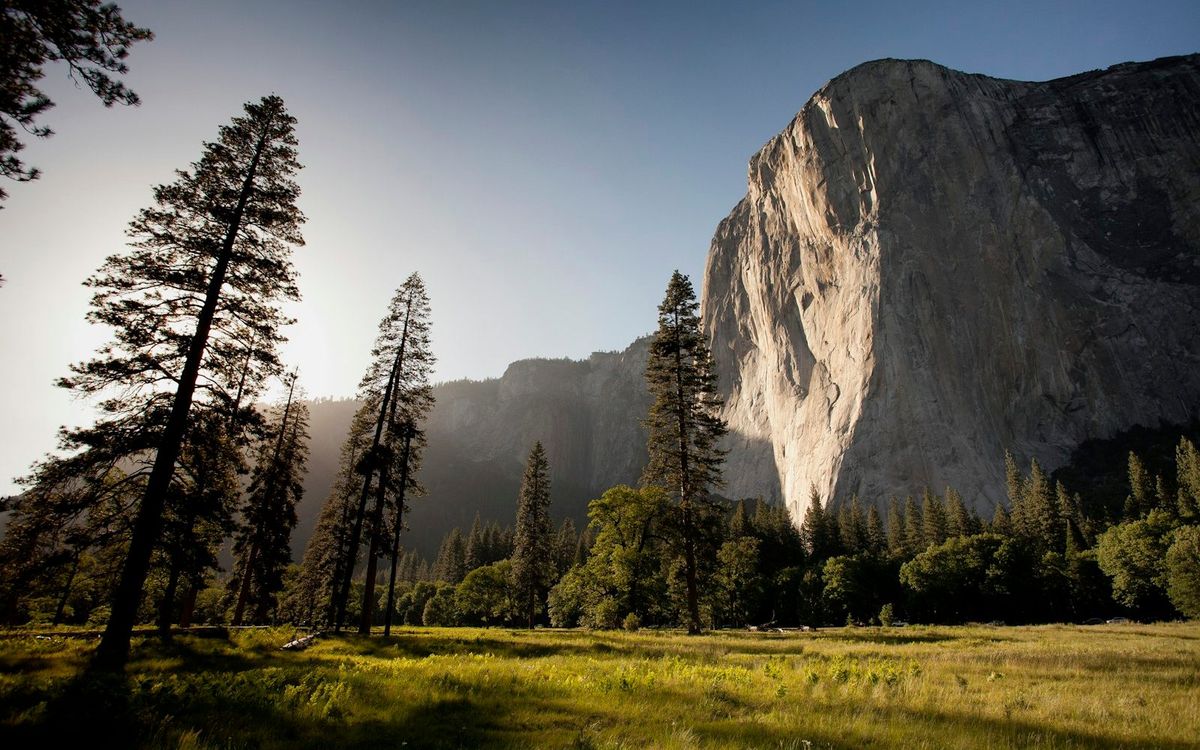
International travelers and road-trippers often debate whether to rent a standard SUV with a tent setup or hire a campervan or Class C motorhome. While campervans offer hard-sided comfort, mileage charges, generator fees, and 8-to-12 mpg fuel consumption significantly increase total trip costs. Here is a realistic 7-day US National Parks camping budget for 2 travelers:
| Expense Item (7 Days / 6 Nights for 2 People) | SUV + Tent Camping (USD) | SUV + Tent Camping (INR) | Campervan / Small RV (USD) | Campervan / Small RV (INR) |
|---|---|---|---|---|
| Vehicle Rental (7 Days incl. Basic CDW/SLI) | $480 – $650 | ₹40,320 – ₹54,600 | $1,350 – $2,100 | ₹1,13,400 – ₹1,76,400 |
| Fuel (Approx. 1,200 Miles / 1,930 km) | $160 – $210 | ₹13,440 – ₹17,640 | $340 – $480 | ₹28,560 – ₹40,320 |
| 6 Nights NPS / USFS Campground Fees | $150 – $220 | ₹12,600 – ₹18,480 | $180 – $360 | ₹15,120 – ₹30,240 |
| Camping Gear Rental (or RV Bedding/Kitchen Kit) | $160 – $240 | ₹13,440 – ₹20,160 | $150 – $220 | ₹12,600 – ₹18,480 |
| America the Beautiful Annual Park Pass | $80 | ₹6,720 | $80 | ₹6,720 |
| Supermarket Groceries, Firewood & Ice | $240 – $320 | ₹20,160 – ₹26,880 | $240 – $320 | ₹20,160 – ₹26,880 |
| Total 7-Day Trip Cost (For 2 Travelers) | $1,270 – $1,720 | ₹1,06,680 – ₹1,44,480 | $2,340 – $3,560 | ₹1,96,560 – ₹2,99,040 |
Note: Costs are approximate 2026 averages (1 USD = 84 INR) and exclude international flights and restaurant meals.
Practical Logistics for Global & Indian Travelers
- Gateway Airport Hubs: Choose Las Vegas (LAS) for the Utah/Arizona Grand Circle (Zion, Bryce, Grand Canyon, Arches); San Francisco (SFO) or Los Angeles (LAX) for California’s Sierra parks (Yosemite, Sequoia, Joshua Tree); Salt Lake City (SLC) or Bozeman (BZN) for Yellowstone and Grand Teton; and Seattle (SEA) for Olympic and Mount Rainier.
- Flights from India & Global Hubs: Air India and United Airlines operate non-stop flights from New Delhi, Mumbai, and Bengaluru to San Francisco (SFO), New York (JFK/EWR), and Chicago (ORD)—putting Yosemite just four hours’ drive from SFO arrivals. One-stop flights via Emirates, Qatar Airways, British Airways, Lufthansa, and Singapore Airlines connect easily to Las Vegas, Seattle, and Denver. Direct flights from London, Frankfurt, Paris, and Sydney serve all major US western hubs daily.
- Visas & Driving Permits: Visa Waiver citizens (UK, EU, Australia, Japan, New Zealand—compare how DOC huts work in our New Zealand Great Walks guide) travel on an ESTA ($21 USD), while Indian citizens require a B1/B2 US Visitor Visa. Rental agencies accept English-language domestic licenses (including Indian smart-card DLs and UK/EU licenses) alongside your passport, though carrying an International Driving Permit (IDP) is advised.
- Renting Gear Locally: Skip airline oversized-baggage fees by packing personal layers from our international travel packing list and renting tents, sleeping bags, pads, and two-burner propane stoves from REI Co-op or Basecamp Outdoor Gear in Las Vegas, Salt Lake City, Seattle, or San Francisco ($25–$40 USD/day). Buy propane canisters ($5 USD), ice, and local firewood at Walmart or gateway supermarkets.
Wildlife Safety, Bear Canisters & Desert Extremes
- Bear Spray in Grizzly Country: When hiking in Yellowstone, Grand Teton, or Glacier, carry EPA-approved Bear Deterrent Pepper Spray on your hip holster. Because bear spray is banned on commercial flights, rent a canister for $10–$28 USD at park kiosks inside Canyon Village, Jackson Lake, or Apgar.
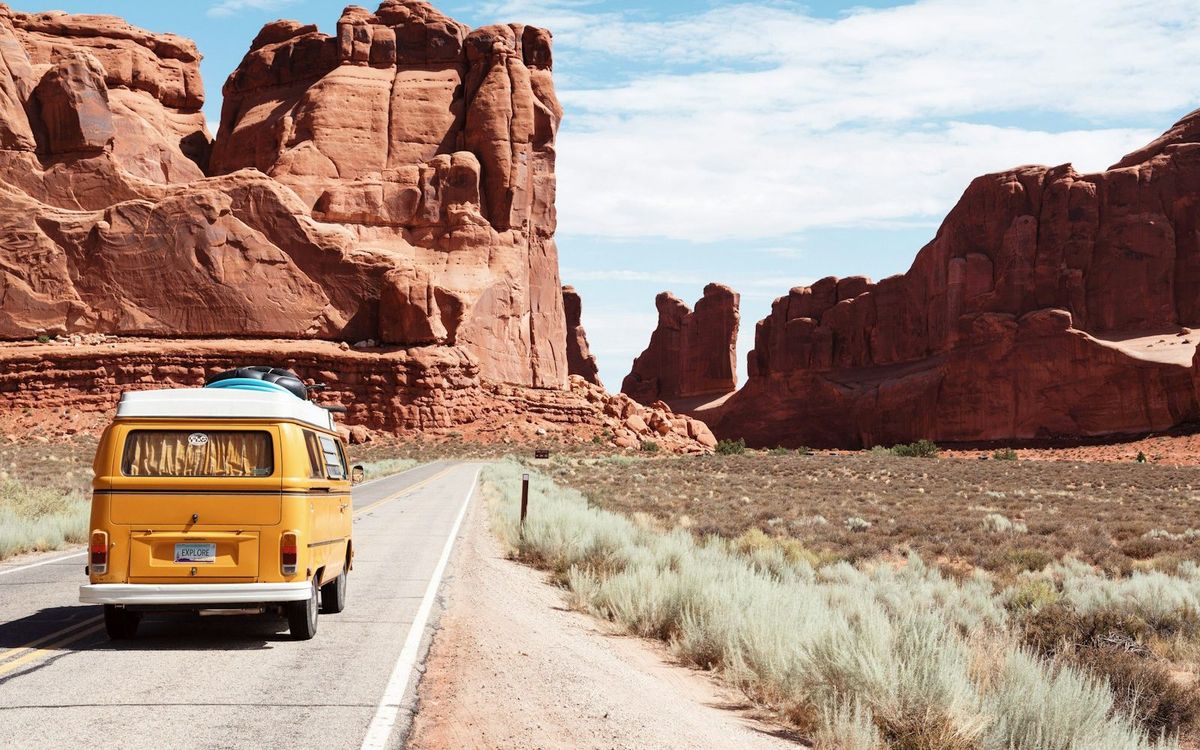
- High-Desert Cold & Flash Floods: High-elevation desert parks like Grand Canyon (7,000 ft) and Bryce Canyon (8,000–9,000 ft) drop below freezing at night even in May and September. Pack a 20°F (-6°C) sleeping bag and an insulated pad (R-value 3.5+), and never camp in dry sandy washes during the July–September monsoon season.
- US Medical & Evacuation Insurance: Because a single US emergency room visit or helicopter rescue can exceed $4,000 to $25,000 USD, review our guide to travel insurance explained and check our travel insurance category to ensure your policy provides at least $250,000+ USD in wilderness medical coverage.
Frequently Asked Questions
How far in advance do US National Park campsites open on Recreation.gov?
Most frontcountry campgrounds managed by the National Park Service open on a 6-month rolling window at exactly 10:00 AM Eastern Time on Recreation.gov. However, Yosemite Valley campgrounds follow a unique monthly block release on the 15th of each month five months in advance at 7:00 AM Pacific Time, selling out in seconds.
Can international tourists buy the America the Beautiful National Parks Pass?
Yes, the $80 USD America the Beautiful Annual Pass is open to everyone worldwide, including visitors from India, the UK, Europe, and Australia. It covers entrance fees for one private non-commercial vehicle and up to four adults at over 2,000 federal recreation sites for 12 months, paying for itself after visiting just three major parks.
What is the difference between frontcountry and backcountry camping in US parks?
Frontcountry camping means staying in developed drive-in campgrounds with designated tent pads, RV parking spurs, picnic tables, fire rings, and flush or vault toilets. Backcountry camping refers to wilderness backpacking where you hike miles away from roads, carry all water filtration and bear canisters, and require a separate wilderness permit.
Where can I sleep if all campsites inside a US National Park are sold out?
If park campgrounds are full, look just outside the park boundaries for US Forest Service (USFS) campgrounds or Bureau of Land Management (BLM) public lands. Both allow free dispersed boondocking on designated dirt roads in states like Utah, Arizona, Wyoming, and California, provided you follow Leave No Trace rules and pack out all waste.
Can I rent camping gear or campervans easily as an international fly-in traveler?
Yes, international travelers flying into gateway hubs like Las Vegas, Denver, San Francisco, Salt Lake City, or Seattle can rent complete camping kits—including tents, sleeping bags, pads, and camp stoves—from REI Co-op stores or specialty outfitters like Basecamp Outdoor Gear, or rent fully equipped Class B campervans.
Conclusion: Preparing for the Outdoors
Camping inside the United States National Park system turns a hurried sightseeing checklist into an immersive wilderness experience—where you fall asleep to coyotes howling across desert mesas and wake up steps from the trailhead. By setting your calendar reminders six months ahead for Recreation.gov, grabbing an $80 America the Beautiful Pass at your first entrance station, and respecting strict bear-box and Leave No Trace protocols, you can explore the American West for a fraction of resort hotel prices.
Looking to compare camping and trekking rules across the globe? Check out how backcountry hut bookings work in our New Zealand Great Walks guide, or see how guided wildlife viewing operates in our Kenya vs India wildlife safari guide. For more outdoor planning guides, visit our main Adventure & Outdoors hub.
Explore more