Solo Travel Safety Tips: 20 Practical Habits Abroad
Master these 20 solo travel safety tips to avoid street scams, secure your hotel or hostel room, protect your phone and banking apps, and explore solo.
 By Tanisha Published Updated 9 min read

Traveling alone is one of the most rewarding ways to experience the world: you eat when you are hungry, linger in museums as long as you want, and meet far more locals than you ever would inside a closed friend group. Yet when you travel solo, there is nobody watching your backpack while you use a train station restroom, and nobody to lend you a credit card if your wallet is pickpocketed in a crowded metro car. Practicing smart solo travel safety tips has nothing to do with walking around in fear; it is about building quiet, automatic habits—financial redundancy, digital compartmentalization, and situational awareness—so a minor street hiccup never turns into a trip-ending crisis. Below, you will find 20 field-tested safety habits covering arrival timing, anti-theft gear, scam recognition, accommodation checks, and emergency protocols for global and Indian solo travelers.
Phase 1: Pre-Departure Digital & Financial Compartmentalization (Habits 1–5)
The vast majority of solo travel emergencies become crises only because the traveler kept every card, ID, and banking credential in a single wallet or unlocked phone. Build a compartmentalized system before you leave home.
1. The Rule of Three Financial Stashes
Never carry all of your financial life in one place. Split your money and cards into three physically separate locations:
- Stash 1 (Daily Pocket / Crossbody Wallet): One primary no-FX-fee credit card, one secondary debit card with limited balance (such as a Wise, Revolut, Niyo Global, or Charles Schwab card), and roughly $30 to $50 USD equivalent in local small-denomination bills.
- Stash 2 (Locked in Hotel Safe or Hostel Locker): Your primary passport, a backup Visa/Mastercard from a completely different bank, your primary home debit card, and $100 USD or €100 EUR in crisp emergency notes.
- Stash 3 (Hidden Deep in Your Daypack Lining): A single emergency credit card and a folded $50 USD / €50 EUR bill tucked inside a lip-balm tube or hidden seam pocket so you can always pay for a taxi back to your hotel if your bag or pocket is picked.
2. Carry a “Decoy Wallet” in High-Risk Transit Hubs
In cities known for crowded metro pickpocketing or street muggings, carry a cheap $5 canvas wallet in your accessible pocket containing two expired loyalty cards, a cancelled old bank card, and $15 worth of small local banknotes. If you are ever confronted or pickpocketed, the thief walks away with the decoy while your real card holder stays concealed inside an internal zippered jacket pocket.
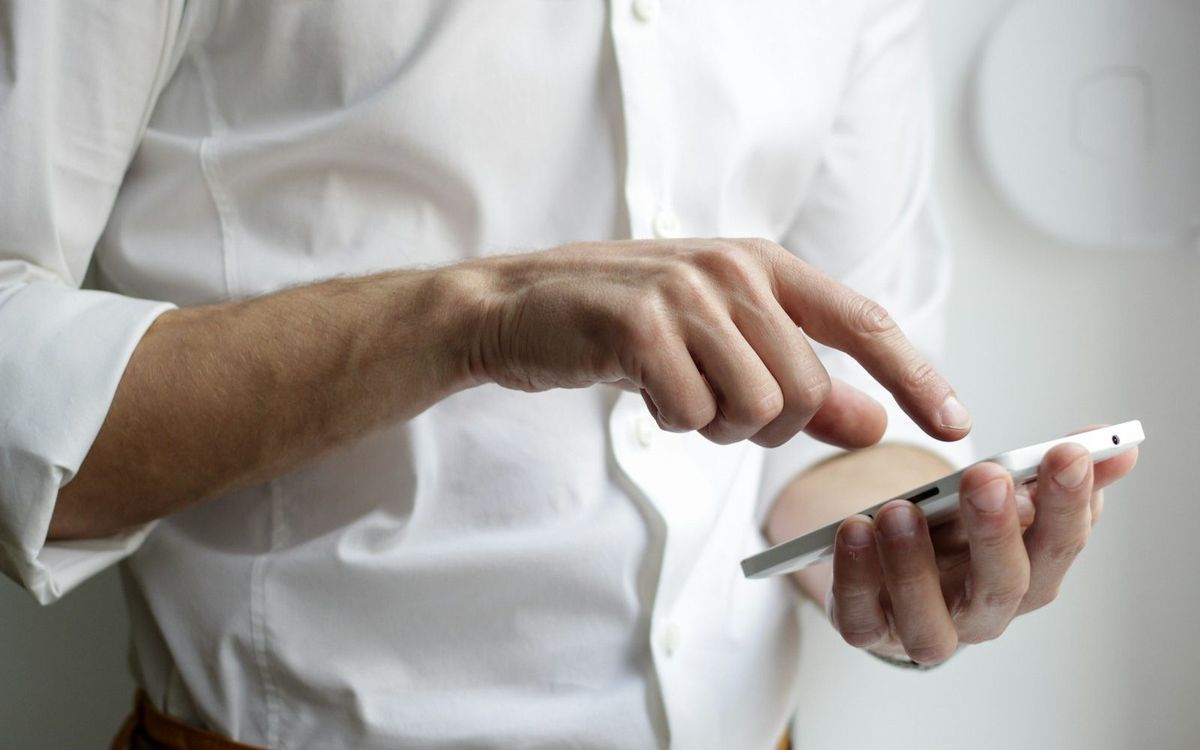
3. Harden Your Smartphone Against Mopeds & Snatch-and-Grabs
Today, thieves in London, Paris, Barcelona, Rome, Ho Chi Minh City, and Buenos Aires care far more about snatching an unlocked smartphone out of your hand at a crosswalk than stealing your wallet—because an unlocked phone gives them instant access to Apple Pay, Google Wallet, email password resets, and banking apps.
- Turn on Biometric Theft Locks: Activate Stolen Device Protection on iPhone (
Settings → Face ID & Passcode) and Theft Detection Lock on Android (Settings → Google → All Services → Theft Protection), which automatically locks the screen if an accelerometer detects someone snatching the phone and running or biking away. - Lock Your Physical SIM / Use an eSIM: Set a 4-to-8-digit SIM PIN so a thief cannot pop your physical SIM card out of your stolen phone, insert it into their own phone, and intercept SMS two-factor authentication (2FA) OTP codes from your bank.
4. Register With Your Embassy & Share a Live “Breadcrumb Sheet”
Before boarding your outbound flight, register your itinerary with your government’s consular alert system so the nearest embassy can contact or evacuate you during natural disasters or civil unrest:
- US Citizens: Register with the Smart Traveler Enrollment Program (STEP).
- Indian Citizens: Register travel details via the MEA MADAD Consular Portal and save the local Indian Embassy 24/7 emergency WhatsApp helpline.
- UK, Canadian & Australian Travelers: Sign up for UK FCDO Country Alerts or Registration of Canadians Abroad (ROCA).
- The Shared Cloud Doc: Share a read-only Google Doc with one trusted person at home listing your flight PNRs, hotel addresses, travel insurance policy number, and passport scan, and turn on permanent live location sharing via Find My or Google Maps.
5. Pre-Download Offline Maps, Translation Packs & Ride-Hail Apps
Arriving at a foreign airport with dead roaming data forces you to make rushed transport decisions. While still on home Wi-Fi, download offline Google Maps or Maps.me regions for every city on your route, offline Google Translate dictionaries for the local language, and verify your phone number on regional ride-hail apps (Bolt and FreeNow for Europe; Grab and Gojek for Southeast Asia; Uber for North/South America).
Cost of a Solo Travel Safety Kit (USD / INR / EUR Comparison)
You do not need expensive tactical gear to travel safely. Four compact items weighing less than 250 grams combined solve 90% of accommodation and transit security vulnerabilities.
Note: All gear prices and currency conversions below are approximate 2026 retail averages and may vary by brand and store.
| Safety Item | Approximate Cost (USD / INR / EUR) | Weight | Primary Security Purpose |
|---|---|---|---|
| Heavy-Duty Cable Padlock (TSA 4-Dial Steel Cable) | $14 USD / ₹1,150 INR / €13 EUR | 85 g | Locking hostel lockers, train luggage racks, and daypack zippers |
| Portable Door Lock or Rubber Doorstop Alarm (Addalock / 120dB Wedge) | $16 USD / ₹1,350 INR / €15 EUR | 95 g | Securing hotel/apartment doors from the inside against duplicate keys |
| Phone Wrist Lanyard & Steel Tether Tab | $12 USD / ₹950 INR / €11 EUR | 30 g | Preventing moped and subway door smartphone snatch-and-grabs |
| Bluetooth Item Tracker (2-Pack) (AirTag / SmartTag / Tile) | $45 USD / ₹3,800 INR / €42 EUR | 22 g | Real-time tracking of your carry-on suitcase and daypack |
| Personal 130dB Pull-Pin Safety Siren (Birdie / Sabre) | $18 USD / ₹1,500 INR / €17 EUR | 40 g | Clip-on audible deterrent for evening walks or solo trail runs |
Phase 2: Transit, Arrival & Street Awareness Habits (Habits 6–11)
Most tourist thefts and transport scams happen during moments of high cognitive load—specifically during the first 60 minutes after you step off a plane or train with all of your luggage.
6. Book Day-One Flights That Land Before 17:00
Whenever you are visiting a city for the first time alone, filter your flight search so you land in daylight. Navigating public transit, finding a tucked-away guesthouse alley, and assessing neighborhood energy is infinitely easier at 2:00 PM than at 1:30 AM when streets are deserted and public metro lines are closed.
7. The “Step Back to the Wall” Phone Rule
Never stop in the middle of a busy sidewalk or stand next to the curb with your phone held out in front of you to check directions. Moped thieves in London, Rome, and Bali specifically scan for pedestrians holding phones near the street edge, riding up onto the pavement to grab the device in a fraction of a second. Whenever you need to check a map, step completely off the sidewalk flow, put your back against a building wall or step inside a shop doorway, and loop your wrist strap around your hand.
8. Keep One Ear Unplugged at All Times
Wearing large over-ear noise-canceling headphones on city streets advertises that you are tuned out of your environment. When walking solo—especially after dusk or in unfamiliar neighborhoods—keep only one earbud in at low volume so you can hear approaching footsteps, bicycles, scooters, or verbal warnings.
9. Never Let Your Bag Leave Physical Contact in Transit
On airport express trains, European intercity trains, and buses, luggage thieves board at intermediate stops, grab a suitcase from the end-of-car rack 10 seconds before the doors chime, and step back onto the platform as the train pulls away.
- Keep your daypack on your lap with one arm looped through the shoulder strap whenever sitting in cafés, trains, or buses.
- If your main cabin bag must sit on an end-of-car luggage rack, thread a lightweight retractable steel cable lock through the bag handle and around the fixed metal stanchion so nobody can lift it off in a hurry.
10. Verify Ride-Hail Safety Checkpoints Before Sitting Down
Before stepping into any Uber, Bolt, Grab, or Careem vehicle as a solo passenger:
- Match the license plate number on the rear bumper to your app screen.
- Ask the driver, “Who are you picking up?” rather than saying “Are you here for Elena?”—forcing them to read your name from their app.
- Before pulling the door shut, check that the mechanical child-safety lock switch on the inner edge of the rear door is switched off and test that the window rolls down. Sit directly behind the driver’s seat in the rear row, where you have maximum personal space and clear exit visibility on both sides.
11. Walk With Purpose (Even When You Are Lost)
Pickpockets and street hustlers watch body language closely. They target tourists who stop abruptly at street corners, stare up at street signs with a folding map, or look visibly flustered. Keep your chin level, walk at a steady local pace, and if you realize you walked three blocks in the wrong direction, duck into a bustling café or hotel lobby to re-route privately rather than spinning around 180 degrees in the middle of the street.
Phase 3: Accommodation & Hostel Security (Habits 12–15)
Your hotel room or hostel berth is your sanctuary. Take 60 seconds at check-in to establish your perimeter.

12. Keep Your Room Number Verbal-Only at Check-In
When checking into a hotel, if the receptionist announces your room number out loud (“Here is your key to Room 304”), politely ask them to assign a different room and write the number down silently on the key packet instead. Never let strangers standing behind you in the lobby queue know both that you are checking in alone and which exact room you are sleeping in.
13. Request Rooms Between the 2nd and 5th Floors
Ground-floor hotel rooms have patio doors or street-level windows that are easiest for intruders to force open, while floors above the 6th story sit beyond the reach of standard municipal fire-truck aerial ladders in older international cities. Asking for a room on floors 2 through 5 gives you the optimal balance of street security and fire safety.
14. Use the Deadbolt + Portable Door Stop Every Night
Hotel staff, maintenance workers, and occasionally previous guests may hold master keycards. Every time you enter your hotel room or private Airbnb bedroom, flip the internal deadbolt, latch the security swing bar, and slide a rubber wedge doorstop (or portable Addalock) under the inward-opening door.
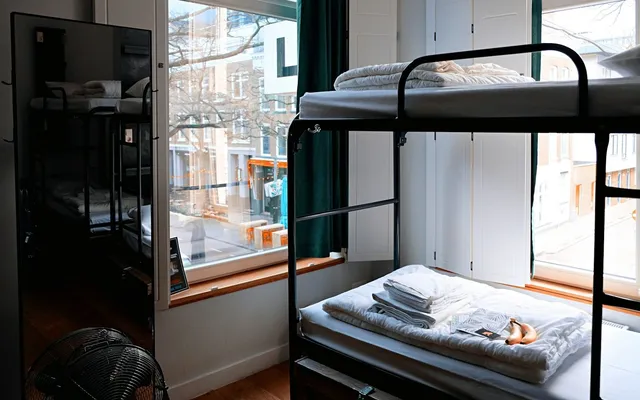
15. Lock Before You Sleep in Hostel Dorms
If you are following our first-time hostel stay guide, remember that 95% of hostel thefts are crimes of opportunity committed by a departing guest at 5:00 AM grabbing an unguarded phone or wallet off a bunk shelf. Charge your phone inside your locked under-bed locker (many modern hostels build power sockets directly inside the locker) or inside a zippered bedside pouch tucked behind your pillow.
Phase 4: Social Situations, Nightlife & Scam Defense (Habits 16–20)
Solo travel is inherently social, and 99% of the people you meet abroad are genuinely kind. These final five habits let you enjoy nightlife, street markets, and local hospitality without falling for rehearsed tourist traps.
16. Recognize the Top 4 Global Street Scams Instantly
Nearly every street scam relies on breaking your personal space boundary or creating artificial obligation through a “free gift”:
- The Friendship Bracelet / Rosemary Sprig Trick (Paris, Rome, Milan, Madrid): Someone forcefully ties a string bracelet onto your wrist or pushes a sprig of rosemary into your hand while saying “free gift for peace,” then aggressively demands €10 to €20 while accomplices crowd around you. Keep your hands in your pockets or held near your chest and say a firm, loud “NO!” without breaking stride.
- The “Your Shoe / Jacket Is Dirty” Distraction (Istanbul, Buenos Aires, Rio, Delhi): A stranger drops a shoe-shine brush in front of you or points out mustard/bird droppings on your backpack and offers to help wipe it off while an accomplice unzips your bag. Never let a stranger help clean your clothing.
- The “Attraction Is Closed Today” Tuk-Tuk Scam (Bangkok, Delhi, Cairo): A friendly local standing two blocks from a major palace or temple tells you it is closed for a Buddhist holiday or royal ceremony, offering to take you to a “special government gem shop or alternative temple” for $1. Ignore anyone outside the official ticket window claiming a sight is closed.
- The Overly Friendly Bar Menu Trap (Athens, Istanbul, Shanghai, Budapest): A charming stranger strikes up a conversation near a major square and invites you to grab a quiet drink or tea at their favorite “local spot” down a side street—where you are subsequently presented with an intimidating $600 USD bill by bouncers. Only go to bars and cafés that you choose independently after checking recent Google Maps reviews.

17. Maintain Strict Drink Control & Watch the Pour
When enjoying nightlife or hostel bar crawls solo, order bottled beers or cans that you watch the bartender pop open in front of you, or keep your hand physically over the top of your glass. Never leave a drink unattended on a table to use the restroom or step onto a dance floor—if your eyes leave the glass, order a fresh one.
18. Master the “Confidence Lie” With Curious Strangers
When chatting with taxi drivers, market vendors, or overly inquisitive strangers on a train who ask “Are you traveling all by yourself?”, you are under zero obligation to tell the truth. Smile naturally and say, “I’m just heading back to meet my husband/partner/friends at our hotel—they’re waiting for me downstairs.” Mentioning an imminent meetup immediately removes you from the “isolated target” category.
19. Check the Bill Before Tapping Contactless Cards
When paying at busy tourist restaurants or late-night taxis with Apple Pay or a tap-to-pay credit card, always look directly at the POS terminal screen to verify both the numeric amount and the currency before tapping—and always choose to be billed in the local currency (EUR, THB, JPY, GBP) rather than your home currency to avoid predatory Dynamic Currency Conversion (DCC) markups.
20. Trust Your Gut Over Politeness Every Single Time
Social conditioning teaches us to be polite, smile, and avoid offending strangers. On the road, politeness is the tool scammers and predators exploit most. If an alley feels too quiet, a driver feels erratic, or a stranger sitting next to you makes your stomach tighten, leave immediately. Cross the street, walk into the nearest open hotel or convenience store, and never worry about looking rude to someone you will never see again.
Frequently Asked Questions
Should I carry my physical passport with me every day while exploring a city?
Unless you are traveling in a country where police randomly inspect original passports on the street (such as Japan), it is far safer to lock your physical passport inside your hotel room safe or hostel locker. Carry a laminated color photocopy of your photo page and entry stamp/visa in your wallet alongside a high-resolution PDF stored offline on your phone.
What is the best way to protect my smartphone and banking apps from street snatchers?
Attach a reinforced braided wrist lanyard or crossbody tether to your phone case whenever navigating outdoors, and enable Stolen Device Protection (iOS) or Theft Detection Lock (Android). Better yet, delete primary investment apps from your daily travel phone or place a daily transfer limit and SIM-PIN lock on your primary banking accounts before departure.
How do I avoid getting overcharged or kidnapped by unlicensed airport taxis?
Never follow anyone who approaches you inside the arrivals terminal whispering 'taxi.' Walk directly to the official uniformed taxi dispatch booth inside the airport to receive a fixed-fare voucher, or order a ride through an established app (Uber, Bolt, Grab, Careem, or Gojek) and verify both the license plate and child-lock door status before getting in.
Is it safe to stay in shared hostel dorms as a first-time solo traveler?
Yes, modern hostels are among the safest and most social bases for solo travelers when you choose well-reviewed properties with 24-hour reception, keycard floor access, and under-bed lockers. Bring your own heavy-duty combination padlock, store electronics inside the locker before going to sleep, and consider booking female-only dorms if you prefer extra privacy.
What should I do immediately if my wallet or passport is stolen abroad?
First, use your backup phone or hotel computer to freeze your compromised credit and debit cards via your banking app. Next, file an official police report within 24 hours at the nearest tourist police station (required for both embassy replacement and insurance claims), then contact your nearest embassy or consulate to issue an emergency travel document.
Conclusion: Pre-Departure Final Check
Practicing these 20 solo travel safety tips quickly becomes second nature—just like buckling a seatbelt—freeing your mind to focus on the food, architecture, and freedom that make solo travel unforgettable. Before heading to the airport, split your bank cards into three separate stashes, turn on biometric theft protection and SIM PIN locks on your smartphone, register your trip with your national embassy portal, and share your live itinerary document with someone back home.
To round out your pre-departure preparation, pair these street-smart habits with our guide to Travel Insurance Explained so you have 24/7 medical backup anywhere on earth, and pack your gear using our International Travel Packing List so you never have to leave a heavy suitcase unattended in transit.