Bangkok Street Food Guide: Best Markets & Dishes
Our bangkok street food guide covers the best night markets, iconic Thai dishes, THB and INR prices, vegetarian tips, and hygiene rules for 2026.
 By Shivam Published Updated 9 min read
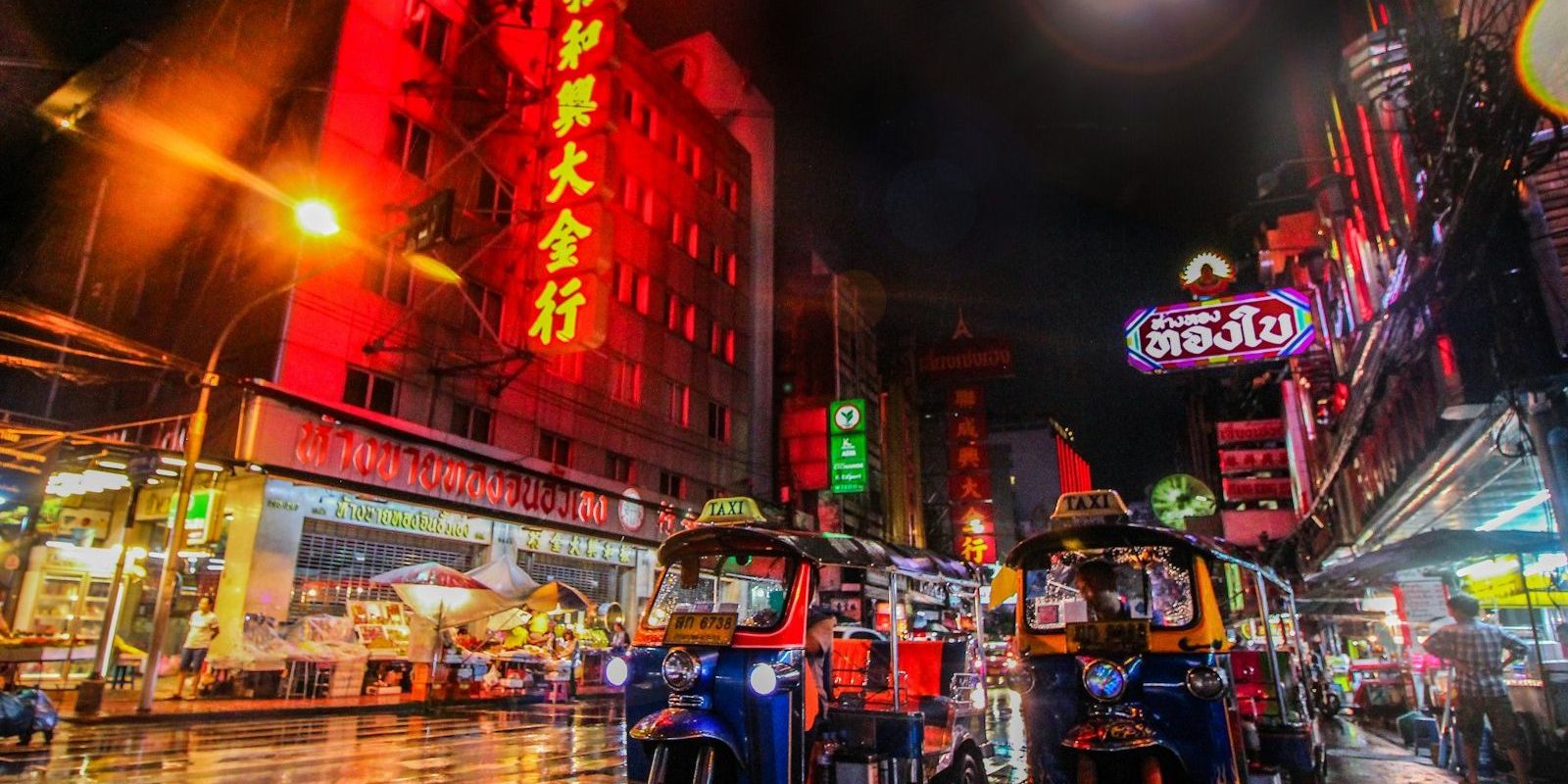
Step off the MRT at Wat Mangkon station just after dusk and the air hits you first: blistered garlic hitting cast iron, roasted chestnuts tumbling through black sand, and sweet pandan steam rising from brass kettles. This bangkok street food guide is built from years of eating along Bangkok’s sidewalks, alleyways, and canal-side markets—mapping out exactly where to go, what to order in Thai, what every dish costs in Thai Baht, US Dollars, and Indian Rupees, and how vegetarian, vegan, halal, and gluten-sensitive travelers can eat safely without missing the city’s culinary soul.
How Bangkok’s Street Food Culture Actually Works
Unlike cities where street vendors sell uniform fast food, Bangkok treats its sidewalks as decentralized specialty kitchens. A single family cart will spend forty years perfecting one dish—perhaps kuay jab (peppery rolled rice noodle soup) or khao kha moo (five-spice braised pork leg over rice)—and nothing else. Because vendors specialize so narrowly, locals rarely sit at one stall for a three-course meal. Instead, you graze: a bowl of boat noodles here, three skewers of grilled moo ping fifty meters down the lane, and a cup of coconut ice cream topped with roasted peanuts across the street.
Exploring the city’s street food scene also means understanding Bangkok’s two distinct clock cycles. Dawn brings out the office-worker breakfast carts serving warm soy milk (nam tao hoo), fried dough sticks (pa tong go), and rice porridge (jok). By 2:00 PM, those carts vanish, replaced around 5:30 PM by wok stations, charcoal seafood grills, and dessert trolleys that run until midnight. If you are planning a broader route through the country, pair these culinary neighborhoods with our Thailand 7-day itinerary to balance temple mornings with market nights.
Best Street Food Markets and Neighborhoods in Bangkok
Where you eat in Bangkok shapes what ends up on your plate. Each neighborhood reflects a distinct migration history, from Teochew Chinese merchants along the Chao Phraya River to Southern Thai Muslim cooks near Bang Rak and university night owls along Banthat Thong Road.
1. Yaowarat Road (Chinatown): The Charcoal-Wok Classic
Yaowarat Road is the undisputed theater of Bangkok night dining. From 6:00 PM onward (Tuesday through Sunday; Mondays are noticeably quieter), the curbs on both sides of the main artery and down narrow lanes like Soi Texas and Soi Plaeng Nam transform into open-air kitchens. Here, Teochew-Thai cooking reigns: smoky kuay teow kua gai (wide rice noodles seared over charcoal with chicken and egg), peppery rolled noodle soup at Nay Ek Roll Noodle, and hot ginger tea with black sesame dumplings.
- How to reach: Take the MRT Blue Line to Wat Mangkon Station (Exit 1 puts you right in the heart of Soi Plaeng Nam). Avoid tuk-tuks during peak evening traffic, as Yaowarat gridlocks by 7:00 PM.
- Best hours: 6:00 PM to 11:30 PM (avoid Mondays).
2. Banthat Thong Road: Where Young Bangkok Eats Now
One kilometer west of Samyan MRT station, Banthat Thong Road (stretching along Chula Soi 12 to Soi 22 near Chulalongkorn University) has overtaken parts of Chinatown as locals’ favorite evening food strip. The vibe is less chaotic than Yaowarat, sidewalks are wider, and dozens of legacy shophouses sit alongside trendy dessert bars. Must-tries include Jeh O Chula’s late-night mama tom yum pot, Elvis Suki’s wok-seared glass noodles, and toasted brioche slathered in pandan custard at Nueng Nom Nua.
- How to reach: MRT Blue Line to Samyan Station (Exit 2) or BTS National Stadium, followed by a 10-minute walk.
- Best hours: 5:00 PM to midnight daily.
3. Bang Rak and Charoen Krung Road: Morning & Halal Gems
Running parallel to the Chao Phraya River south of Chinatown, Charoen Krung Road (Bangkok’s oldest paved road) is a daytime treasure trove. Between Saphan Taksin BTS station and Robinson Bang Rak, you will find fourth-generation roast duck shophouses like Prachak Pet Yang, fragrant halal beef satay carts, and steamed tapioca dumplings (saku sai moo). Across the river via the cross-river ferry from Si Phraya or Sathorn pier, historic districts connect easily with wider Southeast Asia travel routes.
- How to reach: BTS Skytrain to Saphan Taksin Station (Exit 3) and walk north along Charoen Krung Road.
- Best hours: 7:30 AM to 4:00 PM.
4. Wang Lang Market & Talat Phlu: Authentic Local Value
Cross the Chao Phraya River to the Thonburi side for local prices without tourist markups. Wang Lang Market (beside Siriraj Hospital) buzzes from 9:00 AM to 5:00 PM with southern Thai khanom jeen curries, grilled pork neck, and coconut pancakes (khanom krok). Further south along the commuter railway line, Talat Phlu wakes up at 4:00 PM under the overpass with crispy chive cakes (gui chai), Thai crepes (khanom bueang), and Teochew braised duck.
5. Or Tor Kor Market: High-Grade Produce & Clean Food Stalls
Opposite Chatuchak Weekend Market at MRT Kamphaeng Phet (Exit 3), Or Tor Kor is a spotless covered market where Bangkok cooks buy premium durian, mangosteen, and curry pastes. Its rear food court serves outstanding som tum, grilled river prawns, and northern curries at clean tables—ideal for easing into street food on day one.
10 Iconic Bangkok Street Dishes and What They Cost (2026)
Note: Prices below are approximate 2026 street rates and may fluctuate (1 USD ≈ 34 THB; 1 THB ≈ ₹2.50 INR).
| Thai Dish Name | What It Is | Typical Street Price (THB) | Price in USD | Price in INR | Spice Level |
|---|---|---|---|---|---|
| Pad Kra Pao | Minced pork, chicken, or tofu stir-fried with holy basil, garlic, and chilies, topped with a crispy fried egg (khai dao) over rice | 60–80 THB | $1.75–$2.35 | ₹150–₹200 | Medium to Very Hot |
| Som Tum Thai | Pounded green papaya salad with lime, palm sugar, peanuts, cherry tomatoes, long beans, and chilies | 50–70 THB | $1.50–$2.05 | ₹125–₹175 | Customizable (1–5 chilies) |
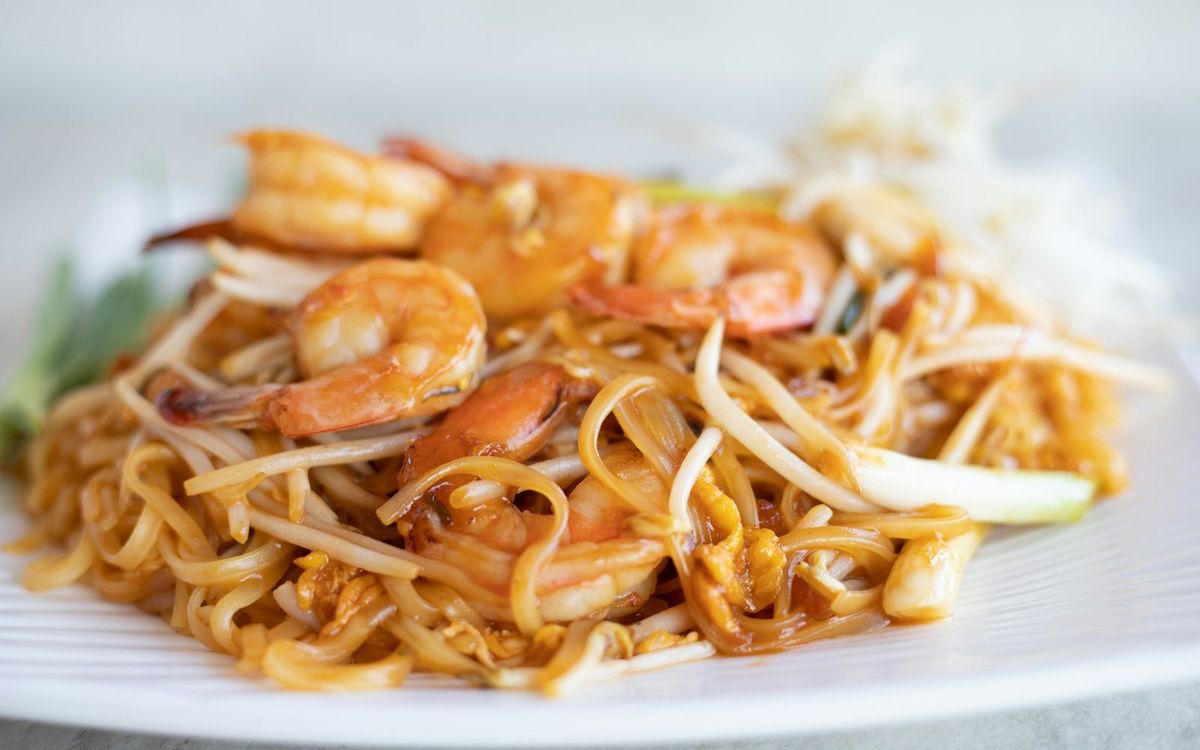
| Pad Thai | Stir-fried Sen Chan rice noodles with tamarind pulp, palm sugar, egg, dried shrimp, sprouts, and peanuts | 60–120 THB | $1.75–$3.50 | ₹150–₹300 | Mild (chili on side) |
| Kuay Teow Reua (Boat Noodles) | Small bowls of dark, spiced broth with rice noodles and pork or beef slices | 20–30 THB | $0.60–$0.90 | ₹50–₹75 | Medium |
| Moo Ping & Sticky Rice | Garlic and coriander-root marinated pork skewers grilled over charcoal with sticky rice | 12–15 THB/skewer | $0.35–$0.45 | ₹30–₹38 | Non-spicy |
| Khao Man Gai | Poached chicken over ginger-garlic rice with winter melon soup and soybean-ginger sauce | 55–75 THB | $1.60–$2.20 | ₹138–₹188 | Mild |
| Guay Jab Nam Sai | Rolled rice noodle tubes in a white-peppery clear broth, famous along Yaowarat Road | 60–100 THB | $1.75–$2.95 | ₹150–₹250 | Peppery Hot |
| Hoy Tod | Crispy battered mussel or oyster omelet fried on a flat iron griddle with sweet chili sauce | 80–120 THB | $2.35–$3.50 | ₹200–₹300 | Mild |
| Khao Niao Mamuang | Ripe Nam Dok Mai mango beside glutinous rice steamed with salted coconut cream | 80–150 THB | $2.35–$4.40 | ₹200–₹375 | Sweet |
| Khanom Krok | Griddled coconut-rice milk puddings with crispy edges and molten centers topped with scallions | 40–60 THB | $1.15–$1.75 | ₹100–₹150 | Sweet/Savory |
Navigating Dietary Needs: Vegetarian, Vegan, Jain, Halal, and Allergies
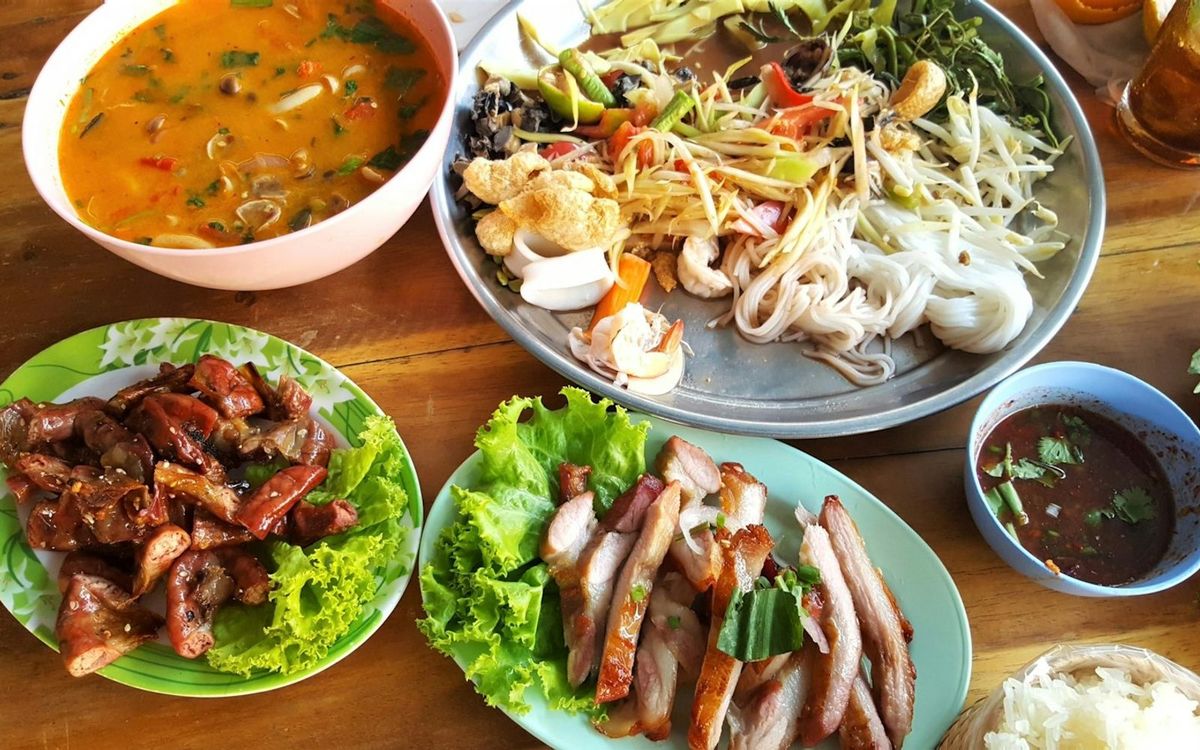
For Indian travelers and plant-based eaters, Thailand’s street food harbors two invisible traps: fish sauce (nam pla) instead of salt, and shrimp paste (kapi) or oyster sauce in stir-fries and curries. Even a vegetable stir-fry or plain green papaya salad will routinely include fish sauce and dried shrimp unless you specify otherwise.
How to Order Vegetarian, Vegan, and Jain Food
Thailand distinguishes between two forms of vegetarianism:
- Mang-sa-wi-rat (มังสวิรัติ): Standard lacto-ovo vegetarianism. Cooks will omit meat and fish sauce, though egg and dairy may still be used.
- Jay (เจ): Strict Chinese-Thai Buddhist veganism, marked by bright yellow flags with red characters. Jay food excludes all animal products as well as the five pungent roots (garlic, onions, shallots, chives, and leeks)—making Jay stalls an effortless match for both vegans and Jain travelers (though root vegetables like potatoes and taro are still used in Jay cooking, so strict Jains should ask for leafy greens, tofu, and mushrooms).
Keep these phonetic phrases handy or show them to your vendor:
- Strict Vegan / No Fish Sauce: “Kin Jay, mai sai nam pla, mai sai nam man hoi” (I eat Jay, no fish sauce, no oyster sauce).
- Vegetarian (eggs okay, no meat or fish sauce): “Kin mang-sa-wi-rat, mai sai nam pla”
- Spice Control: “Phet noi” (little spicy — ask for 1 chili in som tum) or “Mai phet” (not spicy).
- Peanut / Shellfish Allergies: If you have a severe peanut or crustacean allergy, carry a printed Thai allergy card stating that cross-contamination in mortar-and-pestles (krok) or woks causes a medical emergency.
Halal Street Food in Bangkok
Bangkok has a large, multi-generational Thai-Muslim community. You will find dense clusters of halal street carts around Haroon Mosque in Bang Rak (Charoen Krung Soi 36), Soi Ramkhamhaeng 53, and Ratchathewi (Phetchaburi Soi 7) near Darul Aman Mosque. Look for green crescent signs and specialties like Khao Mok Gai (Thai-Muslim turmeric chicken biryani served with sweet-sour mint chutney), beef satay, and crispy roti mataba.
Hygiene, Water Safety, and Avoiding Stomach Upset
Having eaten from hundreds of roadside carts across Thailand and India (compare our Indian street food guide for parallel hygiene strategies), I rely on five non-negotiable rules that keep stomach bugs at bay:
- Follow the Queue at Mealtime Peaks: A line of Thai office workers at 12:15 PM or families at 7:00 PM guarantees rapid ingredient turnover. Stalls where meat sits unchilled in quiet alleys are the ones to skip.
- Trust the Wok and the BoilingVat: Heat kills pathogens instantly. Dishes cooked to order over roaring gas flames (pad kra pao, pad see ew) or ladled from continuously rolling vats of broth (kuay teow) are far safer than pre-made curries sitting in lukewarm metal trays since morning.
- Check the Ice Shape: Tube-shaped ice with a hole through the middle (namแข็งหลอด) is factory-produced from purified water and delivered in sealed sacks across Bangkok. Avoid hand-chipped block ice, which is meant for cooling beer bottles rather than drinking glasses.
- Inspect the Mortar Before Ordering Som Tum: If the vendor just pounded som tum pu pla ra (papaya salad with raw fermented field crab and fermented fish) in a wooden mortar, ask them to use the separate mortar reserved for som tum Thai.
- Pack Medical Backup: Always travel with oral rehydration salts (readily sold at every 7-Eleven in Bangkok for 10 THB) and verify your medical coverage before departure—our guide to how travel insurance works covers what to look for regarding outpatient stomach clinics abroad.
Practical Logistics: Getting Around, Where to Stay & Etiquette
To maximize your eating time and minimize time stuck in Bangkok’s notorious taxi jams, base yourself within walking distance of the MRT Blue Line or the Chao Phraya Express Boat.
- Best neighborhoods to stay for food lovers: Samyan / Hua Lamphong puts you midway between Yaowarat and Banthat Thong Road; Bang Rak / Sathorn gives you instant access to morning shophouses, river ferries, and Silom night stalls.
- Condiment Caddy Etiquette: Nearly every noodle stall table holds a four-jar caddy (khrueang prung) containing fish sauce with chilies, dried chili flakes, white vinegar with pickled jalapeños, and white sugar. Taste your soup first before seasoning—then add half a spoon of vinegar and chili flakes to brighten rich broths. For further cultural reading on dining customs across Asian food and culture, compare how Thai communal sharing differs from our Japanese food etiquette guide.
- Official Resources: Before your trip, check updated night-market hours and transit maps via the Tourism Authority of Thailand (TAT), review municipal food-sanitation initiatives from the Bangkok Metropolitan Administration, and browse the Michelin Guide Bangkok Bib Gourmand list for vetted legacy stalls.
Frequently Asked Questions
Is Bangkok street food safe for first-time visitors to eat?
Yes, Bangkok street food is overwhelmingly safe when you follow basic vendor-selection habits. Choose stalls with high local turnover, watch your dish get cooked fresh in a scorching wok, and avoid pre-cut fruit or coconut-milk curries that have been sitting unrefrigerated in the afternoon heat for hours.
How much does a typical street food meal cost in Bangkok?
Most individual street food dishes in Bangkok cost between 50 and 100 THB ($1.50 to $3.00 USD, or ₹125 to ₹250 INR). Grilled seafood platters, whole salt-crusted fish, and Michelin Bib Gourmand crab omelets range higher, typically between 250 and 1,200 THB ($7.30 to $35 USD).
Can vegetarians, vegans, and Jain travelers eat street food in Bangkok?
Vegetarian and vegan travelers can eat very well in Bangkok once they know how to ask for soy sauce instead of fish sauce and oyster sauce. Look for yellow flags bearing red Thai script reading 'Jay' (Buddhist vegan, which also omits garlic and onion, making it ideal for Jain travelers).
What time do Bangkok street food markets open and close?
Bangkok operates on two main street food shifts. Morning markets like Bang Rak and Silom Soi 20 run from 6:00 AM to roughly 1:00 PM, while evening hubs such as Yaowarat Road, Banthat Thong Road, and Jodd Fairs come alive between 5:30 PM and midnight. Many stalls close on Mondays for street cleaning.
Do street food vendors in Bangkok accept credit cards or QR payments?
Cash remains essential for street food in Bangkok, especially at small pushcarts where dishes cost 50 to 80 THB. Always carry 20, 50, and 100 THB notes. While Thai PromptPay QR codes are everywhere, they generally require a local Thai bank account or a supported ASEAN regional e-wallet.
Conclusion: Eating and Traveling Well
Bangkok’s sidewalks offer one of the world’s greatest democratic dining rooms—a place where a 60-baht plate of holy basil stir-fry cooked over charcoal rivals any white-tablecloth kitchen. Start your first morning with warm soy milk and roast duck in Bang Rak, spend your evening hopping between wok stations along Yaowarat and Banthat Thong Road, and keep small Baht notes in your pocket. Ready to plan the rest of your culinary journey? Dive into our Thailand 7-day itinerary for route logistics or explore our Indian street food guide for another legendary street-food capital.