Indian Street Food Guide: Iconic Dishes & Hygiene
Read our indian street food guide for iconic regional snacks, Old Delhi and Mumbai food walks, INR and USD prices, and practical hygiene rules.
 By Shivam Published Updated 9 min read
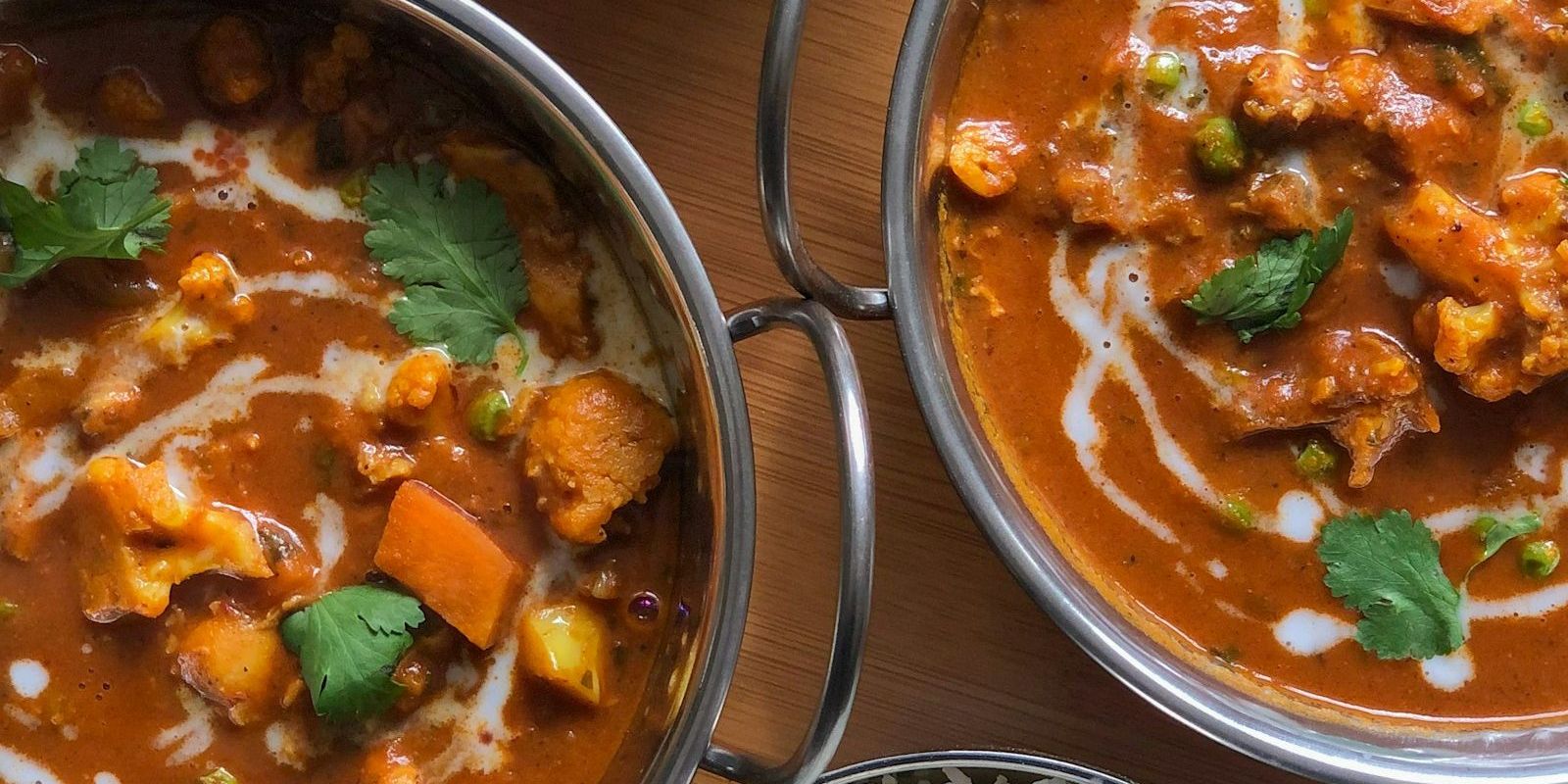
Stand at a busy corner in Mumbai or Old Delhi around 6:00 PM and you will hear the rhythm of Indian cities told in metal against metal: a brass spatula scraping caramelized onions across a cast-iron tawa, crisp hollow semolina shells cracking under a vendor’s thumb, and ginger-cardamom tea pouring from a meter high into unglazed clay cups. This indian street food guide cuts through both the romantic clichés and the exaggerated fear-mongering—giving both international visitors and traveling Indians a practical blueprint to the country’s greatest regional dishes, exact prices in INR and USD, FSSAI-aligned hygiene strategies, and neighborhood food walks that reward curiosity without wrecking your stomach.
Understanding the Architecture of Indian Street Food
To eat well on Indian streets, it helps to stop thinking of “Indian street food” as a single category. Instead, India’s roadside kitchens divide into four distinct culinary families:
- The Chaat Counter (Tangy, Sweet, Spicy, Crunchy): Built around fried wheat or lentil bases layered with whipped curd (yogurt), tamarind-date chutney, green coriander-mint chutney, black salt (kala namak), roasted cumin, and fine gram-flour vermicelli (sev).
- The Tawa & Kadhai Station (Griddled & Deep-Fried): High-heat iron griddles (tawas) and deep woks (kadhais) turning out butter-toasted pav bhaji, stuffed parathas, blistering hot samosas, kachoris, and spiral jalebis.
- The Tiffin & Steamer Stall (Fermented South Indian): Morning carts and stand-up darshinis serving fermented rice-and-lentil idlis, crisp masala dosas, and medu vadas with coconut chutney and piping hot sambar.
- The Sigri & Tandoor (Charcoal-Grilled Kebabs & Breads): Evening coal braziers in Old Delhi, Lucknow, Bhopal, and Mohammed Ali Road in Mumbai grilling seekh kebabs, galouti kebabs, and paneer tikka.
If you enjoy exploring street food traditions across Asia, you will notice a major difference between India and Southeast Asia: while our Bangkok street food guide centers heavily on meat broths and fish sauce, India’s street food culture is overwhelmingly vegetarian by default, relying on fermented batters, toasted whole spices, and dairy for depth of flavor.
India’s 4 Great Street Food Capitals: Where and What to Eat
1. Old Delhi (Shahjahanabad): Mughal Heritage & Winter Magic
Nowhere in India matches the historical density of Old Delhi (Delhi-6). Divided along cultural lines by the axis of Chandni Chowk, the lanes around Dariba Kalan, Kinari Bazaar, and Chawri Bazaar specialize in pure vegetarian Hindu and Jain chaat cooked in desi ghee, while the alleys flanking Jama Masjid (Matia Mahal) glow with charcoal-grilled kebabs, slow-cooked nihari, and shahi tukda bread pudding.
- Must-eat specialties:
- Daulat ki Chaat (only available November to February): Whisked saffron milk foam that melts on the tongue like spiced snow.
- Natraj Dahi Bhalla (near Chandni Chowk Metro): Soft lentil dumplings drenched in sweetened yogurt and aged tamarind chutney.
- Nagori Halwa & Bedmi Puri at Shyam Sweets (Chawri Bazaar): Crisp semolina puffs served at 8:00 AM with spiced potato curry.
- Karim’s & Al Jawahar (Matia Mahal): Mutton korma and seekh kebabs right opposite Gate 1 of Jama Masjid.
- How to reach: Take the Delhi Metro Yellow Line to Chandni Chowk Station or Violet Line to Jama Masjid Station. Old Delhi is also the ideal launchpad before heading out on weekend getaways from Delhi to Amritsar, Jaipur, or Agra.
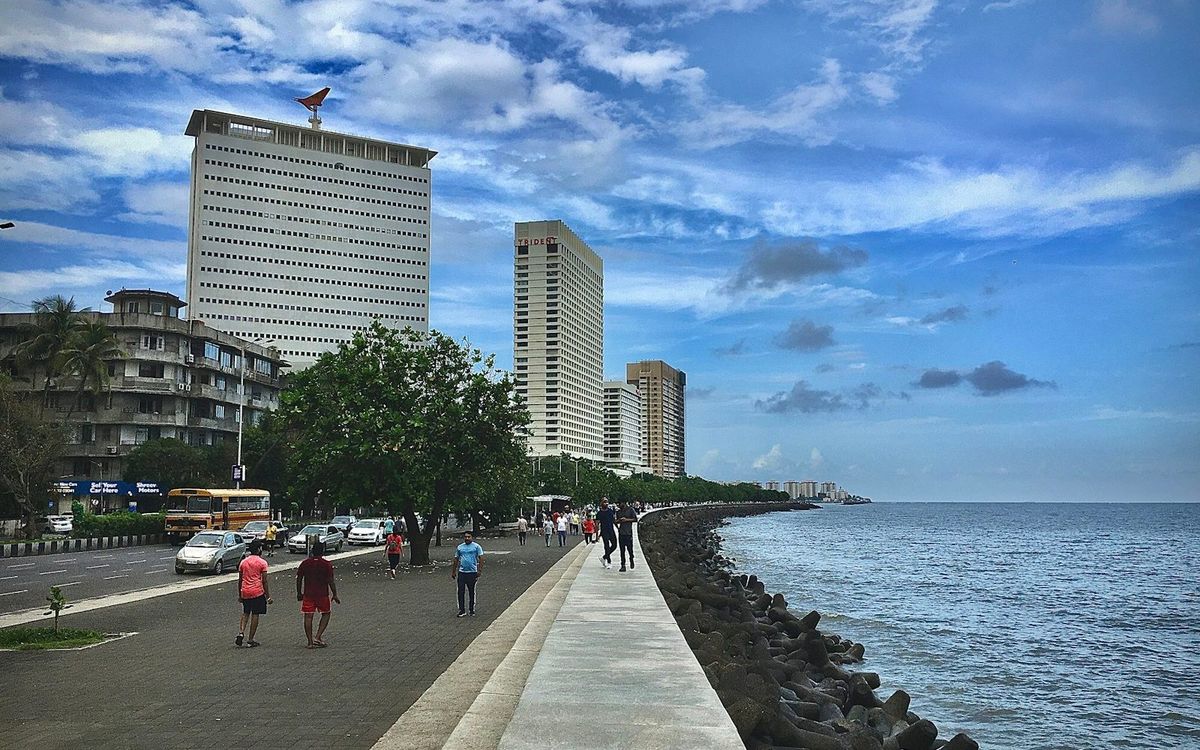
2. Mumbai: Coastal Speed, Vada Pav & Midnight Pav Bhaji
Mumbai’s street food was engineered for a city in perpetual motion. Originally created to feed textile mill workers outside Dadar and Girgaum stations, Mumbai snacks pack maximum flavor between soft ladi pav (Portuguese-descended dinner rolls) or onto leaf plates along the Arabian Sea breeze.
- Best hubs: Chowpatty Beach (Girgaon) and Juhu Beach for sunset bhel puri and sev puri; Khau Galli at Ghatkopar and Zaveri Bazaar for vegetarian and Jain innovations; Aram Vada Pav opposite CST Station; and Sardar or Canon Pav Bhaji for butter-laden mashed vegetable curry.
- How to reach: Take the Western or Central Suburban Railway to Churchgate or Chhatrapati Shivaji Maharaj Terminus (CSMT) during off-peak hours (11:30 AM to 4:00 PM).
3. Kolkata: Puchkas, Kathi Rolls & Colonial Telebhaja
Kolkata treats street food as an intellectual pastime. At 5:00 PM across Dacres Lane, Park Street, and Vivekananda Park, office workers gather for puchka—Kolkata’s version of pani puri, which swaps sweet tamarind water for a fiercely tangy, black-salt and Gondhoraj lime spiced tamarind water with mashed spiced potatoes and black chickpeas. Don’t miss a flaky paratha-wrapped Kathi Roll (invented at Nizam’s in 1932 and perfected at Kusum Rolls on Park Street) or Jhalmuri (puffed rice tossed with raw mustard oil, roasted peanuts, coconut slivers, and green chilies).
4. Lucknow & Amritsar: The Twin Thrones of North Indian Flavor
If your itinerary includes northern India, two secondary cities deserve a dedicated pilgrimage:
- Lucknow (Chowk & Aminabad): Famous for Tunday Kababi (minced buff or mutton kebabs tenderized with raw papaya and over 100 spices), Basket Chaat at Royal Cafe in Hazratganj, and winter Makhan Malai.
- Amritsar (Hall Bazar & Lawrence Road): Home to crisp clay-oven Amritsari Kulcha stuffed with spiced potato and cauliflower, brushed with white butter (makhan), and served beside dark, tangy chole (chickpeas).
12 Iconic Indian Street Food Dishes & Price Guide (2026)
Note: Prices below reflect approximate 2026 rates ($1 USD ≈ ₹84 INR) and vary between roadside carts and sweet shops.
| Dish Name | Region | Description | Price (INR) | Price (USD) | Safety Rating |
|---|---|---|---|---|---|
| Vada Pav | Mumbai | Spiced potato fritter inside a bread roll with green, tamarind, and dry garlic chutneys | ₹20–₹35 | $0.25–$0.42 | High (fried fresh) |
| Pani Puri / Puchka | Pan-India | Hollow crisp spheres filled with potato, chickpeas, and spiced mint-tamarind water | ₹30–₹80 | $0.35–$0.95 | Caution (RO water only) |
| Pav Bhaji | Mumbai | Spiced mashed vegetables simmered in butter on an iron griddle with toasted rolls | ₹100–₹180 | $1.20–$2.15 | High (griddled hot) |
| Masala Dosa | South India | Crisp fermented rice-lentil crepe with spiced potato filling, coconut chutney, and sambar | ₹60–₹140 | $0.70–$1.65 | Very High (hot iron) |
| Aloo Tikki Chaat | North India | Crisp shallow-fried potato patties topped with yogurt, ginger, and tangy chutneys | ₹60–₹120 | $0.70–$1.45 | Moderate (check curd) |
| Chole Bhature | Delhi / Punjab | Fluffy fried leavened bread paired with spiced chickpea curry and pickled onions | ₹90–₹160 | $1.10–$1.90 | High (fried & boiled) |
| Samosa & Kachori | North/Central | Flaky pastry triangles (potato) or discs (spiced lentil) deep-fried in a cast-iron kadhai | ₹20–₹50 | $0.25–$0.60 | Very High (hot batches) |
| Kathi Roll | Kolkata | Flaky paratha griddled with egg and wrapped around charcoal-skewered chicken or paneer | ₹80–₹180 | $0.95–$2.15 | High (tawa cooked) |
| Poha & Jalebi | Indore | Steamed flattened rice tempered with mustard seeds and fennel alongside hot jalebis | ₹40–₹70 | $0.48–$0.85 | Very High (steamed/fried) |
| Dabeli | Gujarat | Sweet-spicy potato mash with dabeli masala, pomegranate, and peanuts in a bun | ₹30–₹50 | $0.35–$0.60 | Moderate to High |
| Tunday / Seekh Kebab | Lucknow / Delhi | Finely minced spiced meat cooked over glowing charcoal skewers or an iron tawa | ₹120–₹240 | $1.45–$2.85 | High at busy stalls |
| Kulhad Masala Chai | Pan-India | Assam tea boiled with milk, crushed ginger, cardamom, and sugar in a sterile clay cup | ₹15–₹30 | $0.18–$0.35 | Very High (boiled) |
The Golden Rules of Street Food Hygiene in India
No conversation about eating on Indian streets is complete without addressing water and food hygiene honestly. Gastrointestinal upset (“Delhi Belly”) rarely comes from spices; it comes from unboiled tap water, unwashed raw garnishes, or food held at lukewarm temperatures. Follow this field-tested protocol:
1. Start at Legacy Halwais and Clean Street Food Hubs
If you have just landed in India, give your gut 48 hours to adjust before eating from open pushcarts. Start at legendary, high-turnover indoor sweet shops (halwais) such as Haldiram’s or Nathu’s Sweets in Delhi, Elco Market or Swati Snacks in Mumbai, and MTR or Vidyarthi Bhavan in Bengaluru. These institutions use commercial RO water filtration, stainless-steel counters, gloved staff, and disposable bowls while serving 100% authentic street recipes.
Furthermore, the Food Safety and Standards Authority of India (FSSAI) now certifies “Clean Street Food Hubs” across major cities (including Kankaria Lake in Ahmedabad, Chappan Dukan in Indore, and select zones in Delhi and Mumbai), auditing vendors on water quality, pest control, and cooking oil reuse.
2. Separate “Fire Foods” from “Water Foods”
- Green Light (Fire Foods): Anything pulled straight from boiling oil (samosa, pakora, jalebi, medu vada), seared on a smoking griddle (dosa, paratha, pav bhaji, egg bhurji), or boiled for ten minutes (masala chai, South Indian filter coffee).
- Yellow Light (Chutney & Curd Foods): Whisked curd in dahi bhalla or papdi chaat is safe in winter (November–February) or at busy shops where a fresh clay pot of yogurt is finished every hour. Avoid dairy-heavy chaat on 40°C (104°F) May afternoons.
- Red Light for Unseasoned Stomachs: Roadside pani puri made with tap water, raw shredded cabbage on street chowmein, pre-cut watermelon or papaya exposed to flies, and sugarcane juice pressed with unverified ice.
Dietary Guide: Vegetarian, Vegan, Jain, Gluten-Free & Halal
- Vegetarian: Look for the official green dot inside a green square on packaged goods and restaurant signboards. Specify “Pure Veg” if you want a kitchen that handles zero meat or eggs.
- Vegan: While meat is easy to avoid, ghee (clarified butter), makhan (white butter), dahi (yogurt), and paneer are pervasive in North Indian street food. Naturally vegan staples include samosas (check that they are fried in vegetable oil, not ghee), bhel puri, pani puri, plain masala dosa (ask for “oil dosa, no butter/ghee”), idli-sambar, vada pav, and kanda poha.
- Jain: India is the easiest country on earth for Jain travelers. In Mumbai, Ahmedabad, Surat, Indore, Jaipur, and Delhi, simply ask for “Jain Pav Bhaji” (made with raw banana and peas instead of potatoes, onions, and garlic) or “Jain Bhel”.
- Gluten-Free: Wheat flour (maida and atta) is used in samosas, puris, parathas, and pav. However, chickpea flour (besan) and rice-lentil batters offer tremendous gluten-free choices: masala dosa, idli, medu vada, uttapam, besan chilla (savory gram-flour crepes), khaman dhokla, and aloo tikki (confirm no wheat starch binder is used). Note that commercial hing (asafoetida) is often cut with wheat flour, so strict celiacs should verify ingredients.
Cultural Etiquette at the Street Stall
Eating on Indian streets has its own unspoken choreography that differs sharply from sit-down restaurants or the formal rules covered in our Japanese food etiquette guide:
- Right Hand Only: Always eat, tear bread (roti, pav, dosa), and hand cash to vendors using your right hand. The left hand is traditionally reserved for personal hygiene.
- The One-at-a-Time Pani Puri Ritual: When you order pani puri (or puchka), you do not receive a plate of six all at once. The vendor hands you a small leaf bowl (dona) and serves one filled sphere at a time directly into your bowl as soon as you finish chewing the previous one. Always eat it whole in a single bite! At the end, say “Sukha papdi” to receive a final dry crisp topped with potato and sweet chutney to cool your palate.
- Official Resources: For verified regional culinary trails and food festivals, consult the Incredible India Official Portal, check Delhi Tourism for guided heritage walks in Shahjahanabad, and browse our Food & Culture hub for deeper regional coverage.
Frequently Asked Questions
How can foreign travelers eat Indian street food without getting Delhi Belly?
Stick to stalls with brisk local crowds during peak hours (5:00 PM to 8:30 PM), prioritize deep-fried or griddle-seared snacks cooked in front of you (such as samosas, jalebis, parathas, and masala dosas), and only eat water-based pani puri at reputable sweet shops like Haldiram's, Bikanervala, or Elco that use RO-filtered water.
How much does street food cost in India in INR and USD?
Indian street food is remarkably affordable. Most individual snacks—including vada pav, samosas, plates of pani puri, and kulhad masala chai—cost between ₹20 and ₹80 INR ($0.25 to $1.00 USD). Heartier regional meals like Amritsari kulcha, chole bhature, or Mumbai pav bhaji with extra butter cost ₹100 to ₹220 INR ($1.20 to $2.65 USD).
Which city in India has the best street food?
Four cities form India's street food pantheon, each with a completely different flavor profile: Old Delhi for Mughal kebabs, stuffed parathas, and winter milk desserts; Mumbai for coastal chaat, vada pav, and late-night pav bhaji; Kolkata for kathi rolls, puchkas, and telebhaja fritters; and Lucknow or Amritsar for Awadhi tunday kebabs and tandoori kulchas.
Is Indian street food mostly vegetarian, and is Jain food easy to find?
Roughly 75% of classic Indian street snacks—including chaat, dosas, idlis, vada pav, pav bhaji, kachoris, and jalebis—are naturally vegetarian. In Mumbai, Gujarat, Rajasthan, and Delhi, almost every pav bhaji, dosa, and chaat vendor offers a dedicated 'Jain' version made without onions, garlic, or potatoes upon request.
Can tourists pay for street food in India using UPI or credit cards?
Nearly every street cart in India—even a ₹15 tea stall—displays a QR code for Unified Payments Interface (UPI). Domestic travelers use Google Pay or PhonePe effortlessly, and international visitors from select countries can register for UPI One World wallets at major Indian airports. Still, carrying ₹20, ₹50, and ₹100 cash notes is wise.
Conclusion: Eating and Traveling Well
Approached with a little street smarts—choosing blazing-hot tawas, bustling early-evening crowds, and RO-filtered sweet shops for water-based chaat—India’s street food becomes the highlight of any journey through the subcontinent. Start with a crisp morning masala dosa and a clay cup of ginger chai, work your way into Old Delhi’s spice lanes or Mumbai’s seafront bhel stalls at dusk, and savor the regional ingenuity on every corner. Continuing your trip across India or Asia? Explore our weekend getaways from Delhi or compare flavors with our Bangkok street food guide.
Explore more