Japanese Food Etiquette: 18 Dining Rules to Know
Master japanese food etiquette with 18 essential dining rules on chopsticks, sushi counters, ramen slurping, izakaya otoshi fees, and tipping.
 By Tanisha Published Updated 9 min read
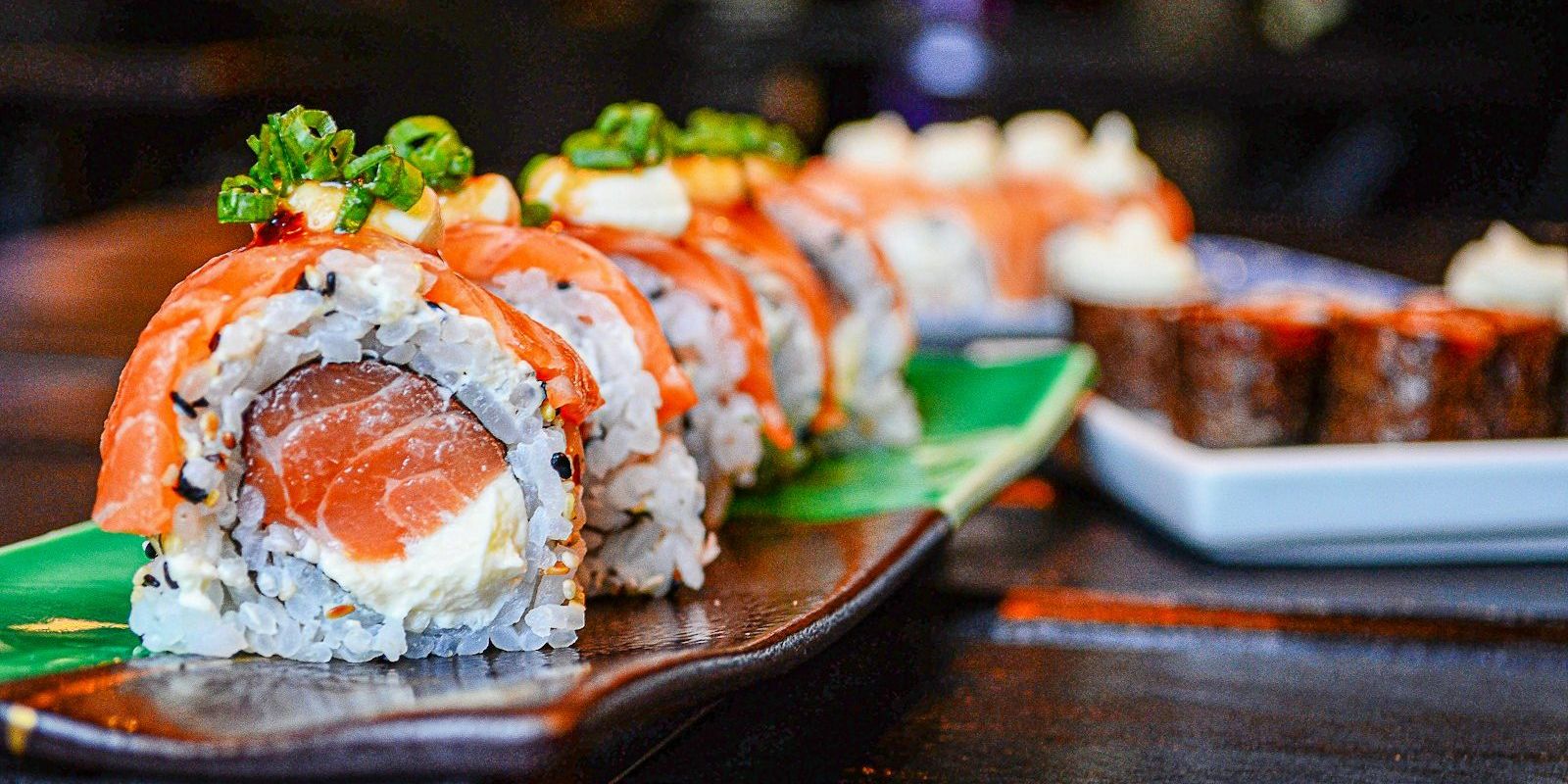
Pull back the linen noren curtain at a eight-seat counter in Tokyo or Kyoto and you step into a dining culture shaped by centuries of mutual respect, seasonal gratitude, and quiet choreography. Understanding japanese food etiquette is not about walking on eggshells or memorizing rigid royal protocols; Japanese chefs and servers are remarkably gracious toward foreign guests. Yet knowing why you should never stand chopsticks vertically in rice, why a small appetizer appears unbidden at an izakaya, and how to dip nigiri without disintegrating the rice transforms you from an anxious observer into a confident, welcomed guest.
Rules 1–4: Arrival, Wet Towels, and the Phrases That Matter
Before a single dish reaches the table, Japanese meals follow a comforting sequence of rituals. Whether you are mapping out stops from our guide to the best places to visit in Japan or sitting down to your first neighborhood lunch set (teishoku), these four opening habits set the tone.
1. Wait to Be Seated and Signal With Your Fingers
Even if a restaurant looks half-empty, pause at the entrance rather than claiming a table yourself. Hold up one, two, or three fingers to indicate your party size (hitori for one, futari for two). If the restaurant requires removing shoes—common in historic Kyoto townhouses and traditional inns covered in our Japanese ryokan and onsen guide—step out of your footwear on the lower entryway (genkan) so your socks never touch the outer stone floor, then point your shoes toward the exit door.
2. Use the Oshibori (Wet Towel) for Hands Only
Almost every sit-down restaurant provides an oshibori—either a steamed cotton hand towel on a small bamboo tray or a sealed disposable wet wipe. Unroll it, wipe both hands thoroughly, fold it neatly, and place it back on its tray. Avoid using a restaurant’s cloth oshibori to wipe your face, neck, or spilled soy sauce on the table (use a paper napkin for spills).
3. Say “Itadakimasu” Before Your First Bite
Press your palms together briefly at chest level and say “Itadakimasu” (ee-tah-dah-kee-mahs) before picking up your chopsticks. Literally translating to “I humbly receive,” the phrase expresses gratitude not just to the chef, but to the farmers, fishermen, and the living ingredients that gave their lives for the meal.
4. Say “Gochisousama Deshita” When Leaving
When you finish eating and walk past the open kitchen or cash register, offer a warm “Gochisousama deshita” (go-chee-so-sah-mah desh-tah)—meaning “It was a feast; thank you for the hard work of preparing it.” Even at a casual ¥900 ramen counter, shouting a cheerful Gochisousama! toward the chef behind the steam brings an instant smile.
Rules 5–9: The 5 Unbreakable Chopstick Taboos
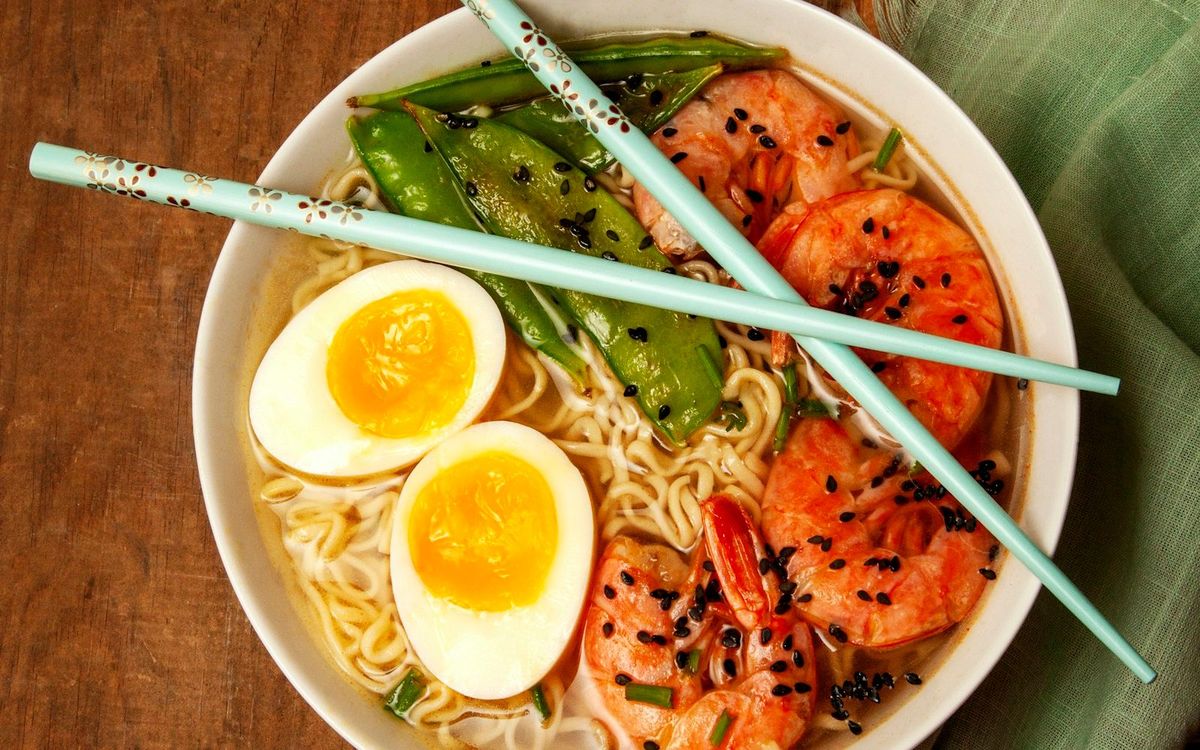
In exploring local cuisine traditions across Asia, Japan attaches the deepest symbolic weight to chopsticks (hashi). Because chopsticks are also used in Buddhist cremation ceremonies to transfer a loved one’s bones into an urn, two specific actions carry intense funeral associations:
- Never Stick Chopsticks Vertically into Rice (Tsukitate-bashi): Standing chopsticks upright in a bowl of steamed rice replicates the incense offering placed at a deceased person’s bedside. Always lay your chopsticks horizontally across the provided ceramic rest (hashioki) or across the rim of a soy sauce dish. If no rest is provided, fold the paper wrapper your disposable chopsticks came in into a small triangle rest.
- Never Pass Food Chopstick-to-Chopstick (Utsushi-bashi): Passing a piece of food directly from the tips of your chopsticks into another diner’s chopsticks mirrors the funeral bone-gathering ritual. If you want to share a piece of tempura or gyoza, pick it up and set it directly onto your companion’s small plate (torizara).
- Don’t Rub Disposable Chopsticks Together: Unless a cheap splintery pair visibly has rough wood fibers, rubbing wooden chopsticks briskly together at a nice restaurant subtly insults the proprietor by implying their utensils are low-grade.
- Avoid Spearing (Sashi-bashi) or Hovering (Mayoi-bashi): Do not stab food like a fork, and avoid waving your chopsticks indecisively in circles over shared platters while deciding what to eat next.
- Don’t Pull Bowls Around with Your Chopsticks (Yose-bashi): Always use your fingers to move bowls and plates closer to you. In fact, in Japan, it is good manners to lift small rice bowls and miso soup bowls up to chest level in your non-dominant hand while eating from them.
Rules 10–13: How to Eat Sushi, Sashimi, and Ramen Like a Local
10. Dip Nigiri Fish-Side Down (Never Rice-Side Down)
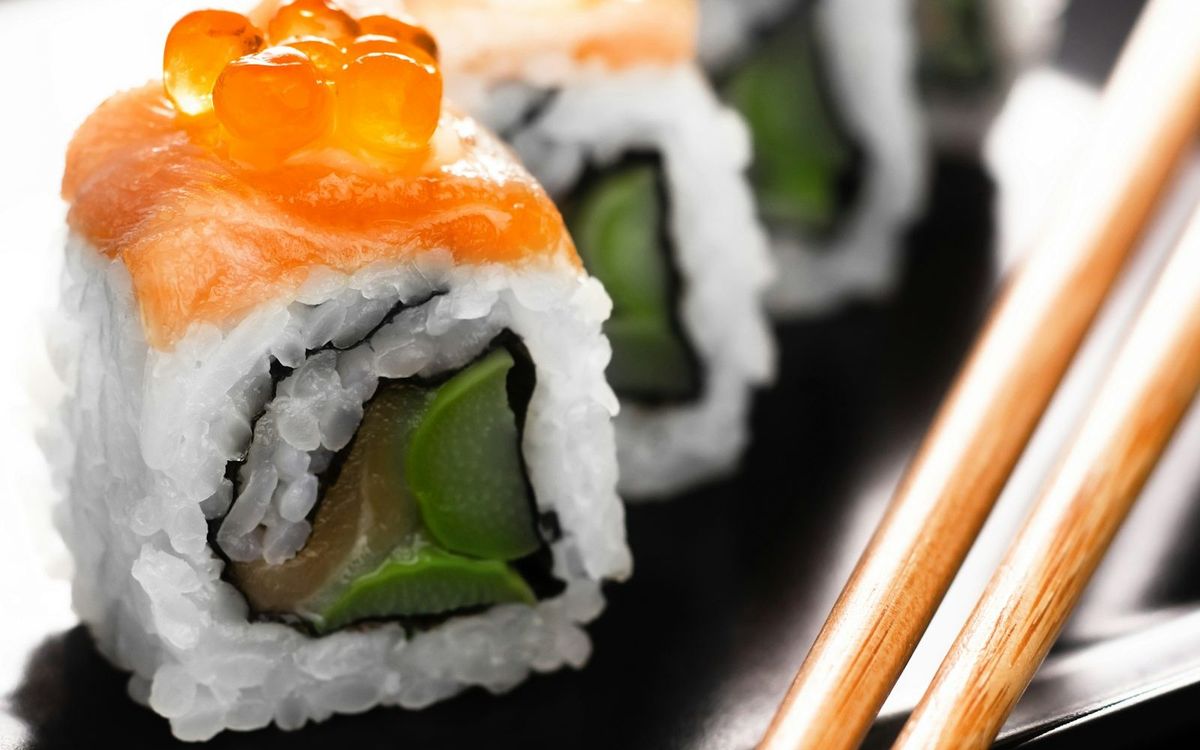
When eating nigiri sushi (a hand-pressed oval of vinegared rice topped with fish), turn the piece on its side and dip only the tip of the fish into your soy sauce saucer. Dipping the rice base causes the shari (rice) to absorb far too much salty soy sauce and crumble apart in the dish.
11. Eat Nigiri in One Bite—With Chopsticks or Clean Fingers
Contrary to Western assumptions, eating nigiri sushi with your clean fingers is 100% traditional and proper at even the highest-end Tokyo omakase counters (that is why the chef places a damp cloth towel right in front of you on the counter). Always eat a piece of nigiri in a single bite; biting it in half ruins the temperature and ratio of warm vinegared rice to cool fish.
12. Don’t Mix Wasabi into Your Soy Sauce Dish
At quality sushi bars, the chef has already brushed the exact amount of freshly grated hon-wasabi between the rice and the slice of fish. Stirring an extra clump of green wasabi paste into your soy sauce until it turns into a murky soup masks the delicate aroma of both the aged soy sauce and the seafood. Furthermore, pickled ginger (gari) is a palate cleanser meant to be eaten between different types of fish, not stacked on top of a piece of sushi.
13. Slurp Noodles Loudly, and Drink Soup Directly from the Bowl
Whether you are eating pork-bone tonkotsu ramen, thick wheat udon, or chilled buckwheat soba, slurping is expected. Slurping pulls cooling air into your mouth along with the noodles so you can eat them at peak al dente texture before they turn soggy in the hot broth. For standard miso soup (misoshiru), no spoon is provided—lift the lacquered bowl to your lips to sip the broth, and use your chopsticks to eat the tofu cubes and wakame seaweed.
Rules 14–18: Izakaya Drinking Customs, Street Food & Paying the Bill
14. Never Pour Your Own Drink—Wait for “Kanpai!”
When dining with friends or colleagues at an izakaya (traditional tavern), two drinking customs stand out. First, wait until everyone at the table has received their drink before raising your glass and saying “Kanpai!” (Cheers!). Second, when sharing bottles of beer or carafes of sake (tokkuri), watch your companions’ glasses and top them up before they run empty; they will immediately return the favor and pour yours. Hold your glass with both hands (one hand supporting the base) when someone pours for you.
15. Understand the Otoshi (Cover Charge Appetizer)
At almost every evening izakaya, a small saucer of food—perhaps simmered lotus root, seasoned edamame, or cold tofu—will be placed in front of you before you even open the menu. This is the otoshi (called tsukidashi in Kansai). Do not send it back thinking it is a mistake; it is the standard seating fee (¥300–¥600 per person) that supports independent taverns.
16. Do Not Walk While Eating Street Food (Aruki-tabi)
Travelers coming from night markets covered in our Bangkok street food guide or Indian street food guide are often surprised to learn that walking down the sidewalk while eating food (aruki-tabi) is frowned upon in Japan. At bustling food markets like Nishiki Market in Kyoto, Kuromon Market in Osaka, or Tsukiji Outer Market in Tokyo, purchase your skewer or takoyaki, step directly to the designated standing zone beside the stall to finish eating it, and return your bamboo skewer and paper tray to the vendor’s trash bin (since public street trash cans are rare in Japan).

17. Put Lids Back on Bowls, Never Stack Ceramics
When you finish a meal served with lidded lacquer bowls, replace the lids right-side up (the same way they arrived) rather than upside down. Equally important: never stack empty ceramic plates on top of one another to “help” the server. Traditional Japanese pottery often has an unglazed, sandy foot ring (kodai) on the bottom that can scratch the hand-painted glaze of the plate underneath.
18. Pay at the Register, Place Cash on the Tray, and Never Tip
In Japan, you rarely pay at the table. Instead, the server leaves your itemized slip inside a small plastic cylinder or face-down clip on the edge of the table. When ready to leave, pick up that slip and bring it to the cash register (reji) near the exit. Place your cash or credit card onto the small wooden or leather tray (karuto) rather than handing notes directly hand-to-hand. And remember: zero tipping.
Typical Japan Dining Costs: Yen, USD & INR (2026 Guide)
Note: Prices below reflect approximate 2026 rates across Tokyo, Osaka, and Kyoto ($1 USD ≈ ¥150 JPY; ¥1 JPY ≈ ₹0.56 INR) and may vary by venue.
| Dining Style | What’s Included | Price (JPY) | Price (USD) | Price (INR) | Reservations |
|---|---|---|---|---|---|
| Konbini Meal | Two onigiri rice balls, sandwich, or hot oden + bottled tea | ¥550–¥900 | $3.65–$6.00 | ₹310–₹505 | None (24/7) |
| Ramen or Soba Shop | Bowl of ramen or soba via ticket machine (free water/tea) | ¥850–¥1,350 | $5.65–$9.00 | ₹475–₹755 | No (Queue) |
| Teishoku (Lunch Set) | Grilled fish or tonkatsu, rice, miso soup, and pickles | ¥1,100–¥1,800 | $7.35–$12.00 | ₹615–₹1,010 | Rarely |
| Kaitenzushi (Sushi Train) | 6–10 plates of fresh nigiri and rolls + miso soup | ¥1,500–¥3,000 | $10.00–$20.00 | ₹840–₹1,680 | App queue ticket |
| Evening Izakaya | Otoshi fee, 4–5 shared plates, and 2 drinks | ¥3,500–¥5,500 | $23.30–$36.65 | ₹1,960–₹3,080 | Helpful Fri/Sat |
| Kaiseki or Omakase | 8–14 seasonal chef-curated courses at a counter | ¥12,000–¥28,000+ | $80.00–$186.00+ | ₹6,720–₹15,680+ | Mandatory |
Dietary Survival Guide: Vegetarian, Vegan, Jain, Gluten-Free & Halal in Japan
For Indian vegetarians, vegans, and travelers with strict dietary laws, Japan requires extra preparation because fish stock (dashi) is treated as a neutral seasoning rather than “meat.” Even simmered daikon radish, chilled spinach (ohitashi), tempura dipping broth (tentsuyu), or miso soup almost always contains katsuobushi (smoked skipjack tuna flakes).
Practical Solutions for Plant-Based, Jain, and Halal Eaters
- Seek Out Shojin Ryori (Buddhist Temple Cuisine): Originating in Zen monasteries in Kyoto, Kamakura, and Mount Koya, Shojin Ryori is 100% vegan and omits the five pungent roots (garlic, onions, leeks, shallots, and chives)—making it ideal for vegan, vegetarian, and Jain diets (request no root vegetables if observing strict Jain rules).
- Safe Everyday Chains & Dishes: Vegan ramen chains like T’s Tantan (Tokyo, Ueno, and Ikebukuro stations) and Vegan Ramen UZU (Kyoto) serve rich sesame ramen with zero animal products. At sushi shops, order kappa maki (cucumber roll), umeshiso maki (pickled plum and shiso), and avocado rolls.
- Gluten-Free Warning: Standard Japanese soy sauce (shoyu) contains wheat. Carry a travel bottle of Gluten-Free Tamari for sashimi, salt-grilled yakitori (shio), and 100% pure buckwheat noodles (Juwari Soba).
- Halal Dining: Major airports and cities like Tokyo and Osaka feature certified Halal Wagyu yakiniku and Halal ramen restaurants verified by the Nippon Asia Halal Association.
For deeper cultural resources, review the Ministry of Agriculture, Forestry and Fisheries (MAFF) Washoku UNESCO guide, check seasonal Kyoto dining calendars via the Kyoto City Official Travel Guide, and explore our Food & Culture archives.
Frequently Asked Questions
What is the biggest chopstick taboo in Japanese food etiquette?
Two chopstick mistakes are strictly taboo because they mimic Japanese Buddhist funeral rites: never stick your chopsticks vertically upright into a bowl of rice (tsukitate-bashi), and never pass food directly from your chopsticks to someone else's chopsticks (utsushi-bashi). Always rest chopsticks on the ceramic holder (hashioki) between bites.
Do you tip at restaurants, sushi bars, or izakayas in Japan?
No, tipping is not practiced anywhere in Japan's restaurant industry, and leaving loose coins or bills on the table will typically result in a staff member chasing you down the street to return your forgotten change. Hospitality (omotenashi) is built into the menu price, though upscale spots may add a 10% service charge.
What is the surprise otoshi charge on my Japanese izakaya bill?
When you sit down at a traditional izakaya (Japanese pub), the server automatically brings a tiny appetizer saucer called an otoshi (in Tokyo/Eastern Japan) or tsukidashi (in Osaka/Kyoto). It functions as a mandatory seating cover charge costing ¥300 to ¥600 JPY ($2.00 to $4.00 USD / ₹168 to ₹335 INR) per person.
Is it really polite to slurp ramen and soba noodles in Japan?
Yes, slurping hot ramen, udon, and chilled buckwheat soba noodles briskly is completely polite and encouraged in Japan. Drawing air into your mouth alongside the noodles cools down scalding broth so it doesn't burn your tongue and aerates the aromatic dashi or tonkotsu stock across your palate.
How can vegetarian, vegan, or halal travelers navigate Japanese restaurants?
The hidden hurdle in Japanese cooking is dashi—a foundational soup stock made from bonito fish flakes (katsuobushi) and kelp—used in everything from miso soup and tamagoyaki eggs to vegetable simmered dishes and noodle dipping sauces. Ask specifically for kombu-dashi (kelp-only) or visit Buddhist shojin ryori temple restaurants.
Conclusion: Eating and Traveling Well
Mastering Japanese food etiquette is ultimately about tuning in to the care that went into your bowl or plate. Offer a heartfelt Itadakimasu before your meal, rest your chopsticks neatly on their ceramic holder, slurp your noodles while the broth is steaming, and return your street-food skewer to the stall bin when you finish. Ready to experience Japan’s finest hospitality overnight? Read our Japanese ryokan and onsen guide next, or map out your full route with our best places to visit in Japan guide.
Explore more