Best Places to Visit in Japan Beyond Tokyo (2026)
Discover the best places to visit in japan beyond Tokyo for 2026, from Kyoto temples and the Japanese Alps to Osaka food streets, rail passes, and costs.
 By Shivam Published Updated 9 min read
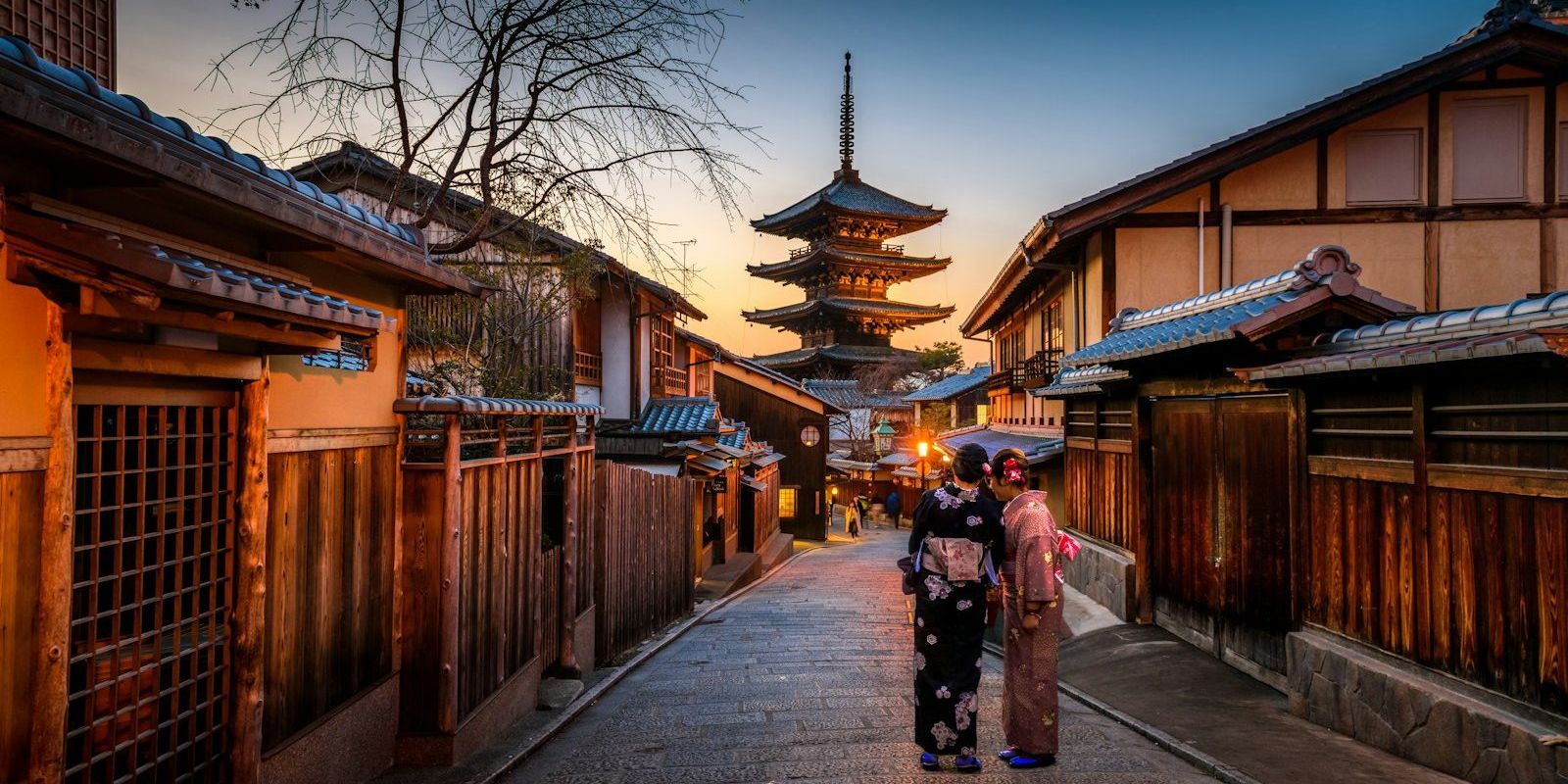
Watching the neon canyon of Shinjuku blur into cedar-covered mountain passes from the window of a 285 km/h Nozomi bullet train is the moment most travelers realize that Tokyo is only the opening chapter of Japan. Exploring the best places to visit in japan means stepping off the capital’s Yamanote loop to walk lantern-lit wooden geisha districts in Kanazawa, soak in mineral-rich volcanic hot springs beneath Mount Fuji, and sample sizzling street food along Osaka’s canals. Thanks to a favorable Japanese Yen and unmatched high-speed rail efficiency, venturing deep into Honshu and beyond has never been better value for both international and Indian visitors. In this 2026 guide, you will learn which regions deserve a spot on your itinerary, when to visit for cherry blossoms or autumn maple leaves, how to beat the JR Pass price hike, and what a trip realistically costs in JPY, USD, and INR.
Best Time to Visit Japan
Japan stretches over three thousand kilometers from subarctic Hokkaido to subtropical Okinawa, creating dramatic seasonal transformations that dictate everything from regional menus to hotel rates.
Spring (Late March to May): Sakura & Mild Days
Spring is Japan’s most celebrated season. Cherry blossoms (sakura) typically open in late March in Tokyo, Kyoto, and Hiroshima, reaching full bloom (mankai) in early April before progressing northward into the Japanese Alps and Tohoku by mid-to-late April. While the two-week sakura window brings peak hotel pricing, mid-to-late May (right after the Golden Week domestic holiday from April 29 to May 5) is arguably the single best period of the year: daytime temperatures sit at a crisp 20°C–24°C (68°F–75°F), wisteria tunnels and azaleas are in bloom, and crowds drop noticeably.
Autumn (October to Late November): Koyo Foliage & Clear Skies
For photographers, hikers, and food lovers across Asia, autumn rivals or even beats spring. Typhoons taper off by mid-October, leaving crystalline blue skies that offer the highest statistical probability of seeing Mount Fuji unobstructed. In November, Japanese maples (momiji) and ginkgo trees turn temple gardens in Kyoto, Nikko, and Kanazawa into canopies of crimson and gold.
Summer (June to August) & Winter (December to February)
June brings the tsuyu plum rains (except in Hokkaido), while July and August are hot and humid across central Honshu (32°C–36°C / 90°F–97°F), unlocking Mount Fuji’s climbing season and cool alpine hiking in Nagano and Hokkaido. Winter is dry and sunny along the Pacific coast (Tokyo, Kyoto, Osaka) while burying the Japanese Alps in powder snow—making January and February magical for seeing snow-draped thatched roofs in Shirakawa-go and bathing in outdoor rotenburo hot springs.
Best Places to Visit in Japan Beyond Tokyo
While every first-timer should spend three or four days in Tokyo, the soul of the country reveals itself when you head west and north. Here are the seven finest destinations beyond the capital, ordered geographically for seamless routing.
1. Kyoto: Imperial Heritage, Zen Gardens & Bamboo Groves
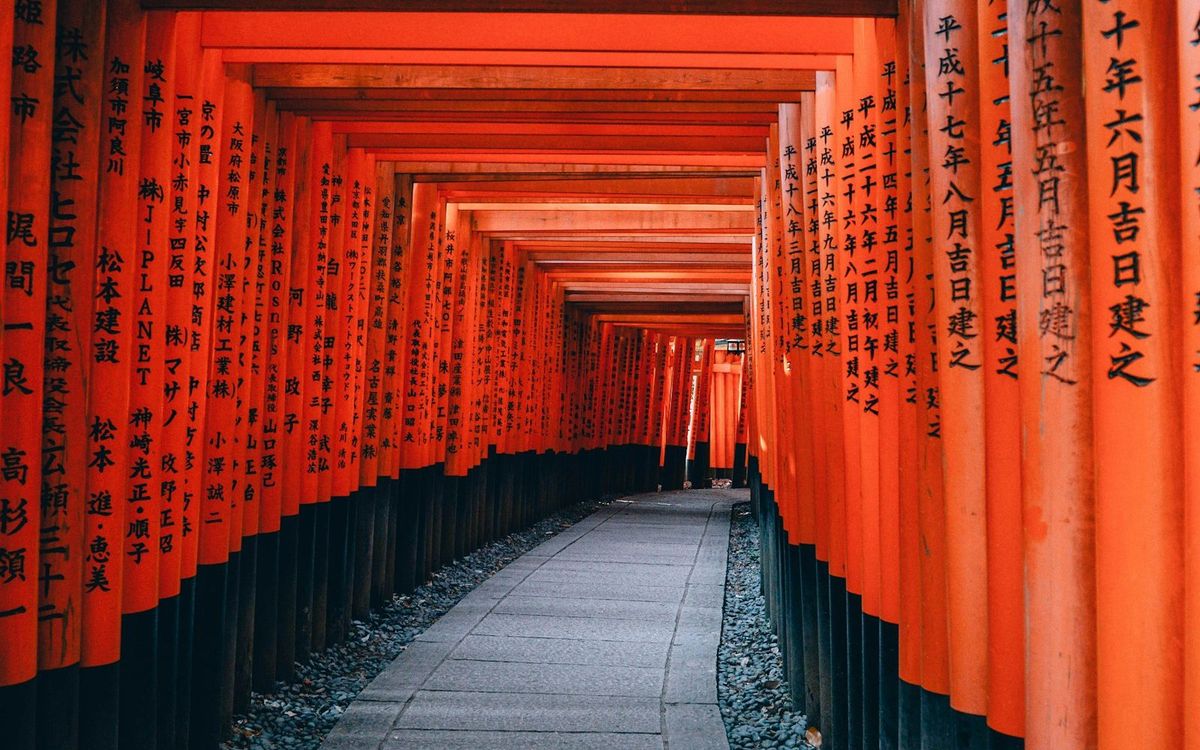
As Japan’s imperial capital for over a millennium (794 to 1868), Kyoto holds seventeen UNESCO World Heritage sites and more than two thousand temples and shrines. Instead of arriving at Fushimi Inari Taisha, Kiyomizu-dera, or the Arashiyama Bamboo Grove at 10:30 AM alongside tour buses, visit outdoor shrines at 6:30 AM and spend midday exploring quieter masterpieces like the moss gardens of Nanzen-ji, Daitoku-ji, or the mountain village of Kurama. In the evening, stroll Pontocho Alley or the Shirakawa Canal in Gion.
2. Hakone & Fuji Five Lakes (Kawaguchiko): Volcano Views & Onsen Culture
Located 90 to 120 minutes southwest of Tokyo, the twin resort regions around Mount Fuji offer two distinct ways to experience Japan’s 3,776-meter peak:
- Fujikawaguchiko (Fuji Five Lakes): Sits at the northern base of the volcano, delivering the iconic postcard view of Mount Fuji framed by the five-story Chureito Pagoda and reflected in Lake Kawaguchi.
- Hakone: A geothermal caldera famous for its scenic loop of mountain trains, cable cars over volcanic vents at Owakudani, sightseeing ships crossing Lake Ashi past a lakeside torii gate, and the Hakone Open-Air Museum. Hakone is also the premier spot near Tokyo to spend a night in a tatami-mat inn—read our complete Japan ryokan and onsen culture guide so you know the exact bathing etiquette before you go.
3. Osaka & Nara: Kuidaore Street Food & Ancient Deer Parks
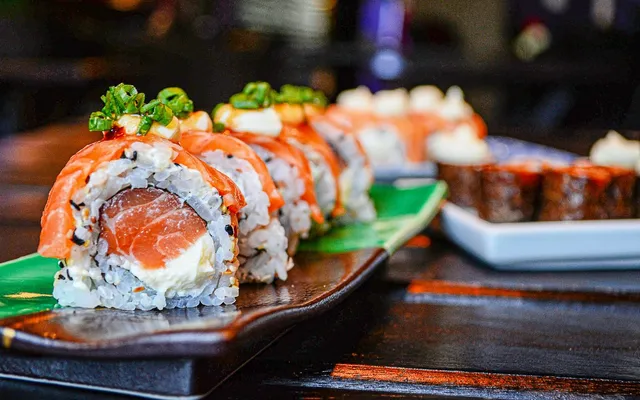
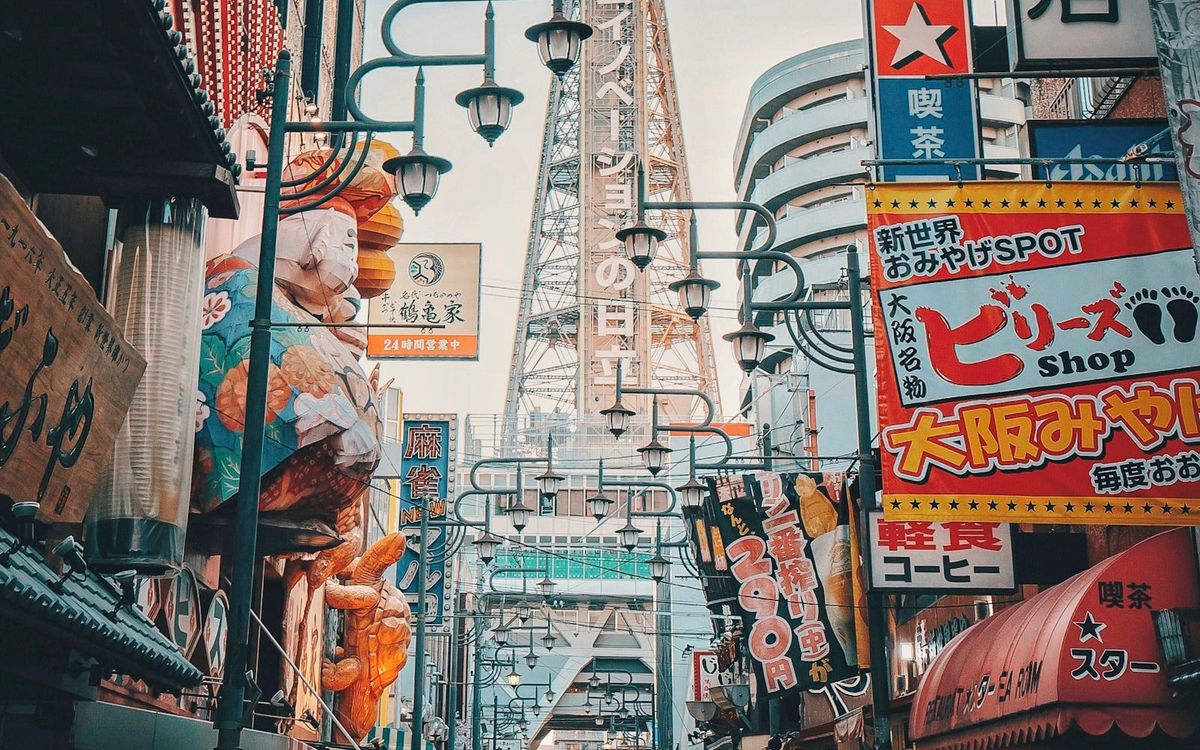
Just 15 minutes from Kyoto by bullet train (or 30 minutes on a 410 JPY commuter rapid), Osaka is guided by the local motto kuidaore (“eat until you drop”). The city shines after dark in Dotonbori, Shinsekai, and Kuromon Market, where vendors flip octopus-filled takoyaki and crisp okonomiyaki savory pancakes on hot griddles. Before sitting down at an izakaya or sushi counter, brush up on our Japanese food etiquette guide to dine like a local.
Forty minutes east lies Nara, Japan’s 8th-century capital. Spend a half-day walking through Nara Park alongside bowing sika deer to reach Todai-ji, an immense wooden hall housing a 15-meter bronze Great Buddha (Daibutsu), and the stone lanterns of Kasuga Taisha.
4. The Japanese Alps: Takayama, Shirakawa-go & Kanazawa
Connected by mountain express trains and highway buses through the Hida range, this trio offers an uncrowded look at Edo-period craftsmanship:
- Takayama: A merchant town in Gifu Prefecture famed for its preserved Sanmachi Suji wooden streets, centuries-old sake breweries, morning riverside markets, and Hida wagyu beef.
- Shirakawa-go: A UNESCO-listed valley 50 minutes by bus from Takayama, where steep thatched-roof farmhouses (gassho-zukuri) sit surrounded by rice paddies and forested peaks.
- Kanazawa: Known as “Little Kyoto without the crowds,” Kanazawa escaped World War II air raids intact. It boasts Kenroku-en landscape garden, the Nagamachi Samurai District, the Higashi Chaya geisha quarter, and fresh seafood at Omicho Market.
5. Hiroshima & Miyajima Island: Peace, Resilience & the Floating Torii
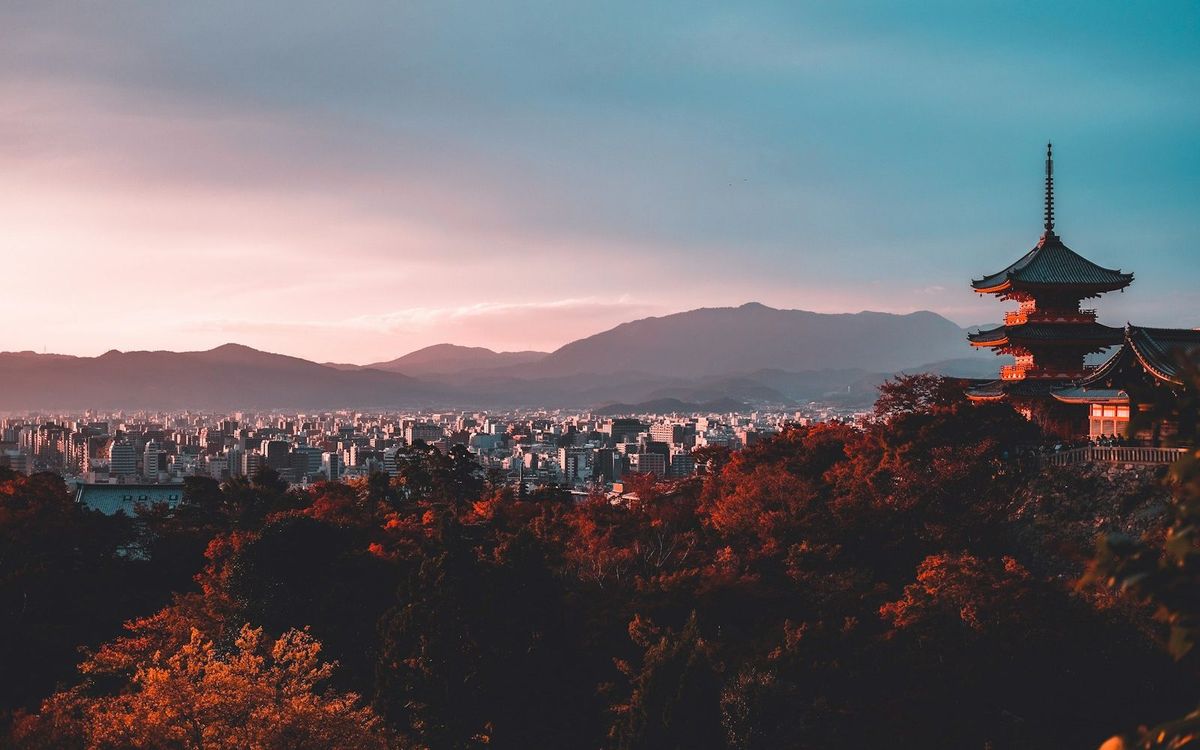
Two hours west of Shin-Osaka on the Sanyo Shinkansen, Hiroshima anchors a morning at the Peace Memorial Park and Museum and the Atomic Bomb Dome. Pair it that afternoon with a short train and 10-minute ferry ride to sacred Miyajima Island, where the giant vermilion O-Torii gate of Itsukushima Shrine appears to float at high tide. Staying overnight on Miyajima lets you hike Mount Misen in peace and sample grilled oysters.
6. Naoshima & the Seto Inland Sea Art Islands
For architecture and contemporary art lovers, Naoshima and Teshima in the Seto Inland Sea (accessible by ferry from Uno Port near Okayama or Takamatsu) transform quiet fishing islands into open-air galleries. Designed largely by architect Tadao Ando, Naoshima’s subterranean Chichu Art Museum displays Claude Monet’s Water Lilies under natural daylight, alongside Yayoi Kusama’s iconic yellow pumpkin on the seaside pier.
7. Hokkaido (Sapporo, Otaru & Furano)
If you have 14+ days or are visiting in summer or winter, fly 90 minutes north to Hokkaido. In July, the hills of Furano and Biei bloom with purple lavender fields and cool alpine breezes. In February, Sapporo hosts its world-famous Snow Festival, while nearby Niseko draws skiers to deep powder snow.
Sample 12-Day Classic + Alpine Japan Route
This efficient loop starts in Tokyo and ends in Osaka (or loops back to Tokyo in 2.5 hours via Shinkansen), minimizing hotel switches while linking cities, mountains, and islands:
- Days 1–3: Tokyo Base — Explore Asakusa, Meiji Jingu, Shibuya, and Shinjuku, plus a day trip to Kamakura or Kawaguchiko on the clearest weather day for Mount Fuji views.
- Day 4: Hakone Overnight (1 Night in a Ryokan) — Take the Romancecar from Shinjuku to Hakone. Complete the Lake Ashi and Owakudani loop, then check into an onsen ryokan for a multi-course kaiseki dinner and volcanic hot spring soak.
- Days 5–6: Takayama & Shirakawa-go (Japanese Alps) — Ride the Shinkansen to Nagoya and the scenic HC85 Hida Wide View express train through river gorges to Takayama. On Day 6, take the morning bus via Shirakawa-go to Kanazawa.
- Day 7: Kanazawa — Stroll Kenroku-en Garden at opening time, tour the Nagamachi Samurai residences, and take the afternoon Thunderbird + Hokuriku Shinkansen down to Kyoto (2 hours).
- Days 8–10: Kyoto Base (With Nara Half-Day) — Dedicate three full days to Kyoto’s eastern temples, Arashiyama, and Fushimi Inari, plus a half-day train hop to Nara Park and Todai-ji.
- Day 11: Hiroshima & Miyajima Day Trip (or Overnight), Evening in Osaka — Forward your large bags from Kyoto to Osaka, ride the morning Shinkansen to Hiroshima and Miyajima using a 5-day JR Kansai-Hiroshima Area Pass, and settle into Osaka for a Dotonbori food crawl.
- Day 12: Osaka Castle, Kuromon Market & Departure — Fly home directly out of Osaka Kansai (KIX) or ride the Tokaido Shinkansen back to Tokyo Haneda/Narita.
Practical Information for Visiting Japan
How to Reach Japan (Global & Indian Flight Connectivity)
Japan’s three primary international hubs are Tokyo Haneda (HND) (closest to central Tokyo, 25 minutes by monorail/train), Tokyo Narita (NRT) (60 minutes via Narita Express or Skyliner), and Osaka Kansai (KIX). Booking an “open-jaw” multi-city ticket (arriving in Tokyo HND/NRT and departing from Osaka KIX) saves you the time and $95 USD cost of a return bullet train to Tokyo. To hunt down the best open-jaw fares, read our guide on how to find cheap flights.
- From India (Delhi, Mumbai, Bengaluru): Direct flights to Tokyo operate daily from Delhi (DEL) via Japan Airlines (JAL), All Nippon Airways (ANA), and Air India; from Mumbai (BOM) via ANA; and from Bengaluru (BLR) via JAL (direct flight times are 7.5 to 8.5 hours). Smooth one-stop connections to both Tokyo and Osaka are also available via Singapore Airlines, Cathay Pacific, Thai Airways, and Malaysia Airlines.
- From North America, UK & Europe: Nonstop flights connect Haneda and Narita with Los Angeles, San Francisco, Seattle, New York, Chicago, London, Paris, and Frankfurt in 10 to 14 hours.
- From Australia: Direct overnight flights of 9 to 10 hours run from Sydney, Melbourne, Brisbane, and Cairns to Tokyo and Osaka via Qantas, JAL, ANA, and Jetstar.
Japan Daily Budget & Cost Breakdown (2026)
Despite its reputation as an expensive country, Japan in 2026 is noticeably more affordable for dining and sightseeing than Western Europe or North America. Note: All prices below are approximate 2026 estimates and may change with currency fluctuations and seasonal demand.
| Expense Category | Savvy Budget Traveler | Mid-Range Comfort | Luxury & Ryokan Stays |
|---|---|---|---|
| Accommodation (Per Night) | 5,500–11,000 JPY ($36–$72 USD / ₹3,050–₹6,100 INR) | 18,000–34,000 JPY ($118–$224 USD / ₹10,000–₹18,900 INR) | 60,000–130,000+ JPY ($395–$855+ USD / ₹33,300–₹72,200+ INR) |
| Food & Dining (Per Day) | 3,000–5,000 JPY ($20–$33 USD / ₹1,660–₹2,775 INR) | 6,500–11,000 JPY ($43–$72 USD / ₹3,600–₹6,100 INR) | 18,000–35,000+ JPY ($118–$230+ USD / ₹10,000–₹19,400+ INR) |
| Local & Intercity Transport | 2,500–4,500 JPY ($16–$30 USD / ₹1,390–₹2,500 INR) | 4,500–7,500 JPY ($30–$49 USD / ₹2,500–₹4,160 INR) | 8,500–15,000 JPY ($56–$99 USD / ₹4,720–₹8,330 INR) |
| Temples, Museums & Sights | 1,200–2,500 JPY ($8–$16 USD / ₹665–₹1,390 INR) | 2,500–5,000 JPY ($16–$33 USD / ₹1,390–₹2,775 INR) | 6,000–15,000 JPY ($39–$99 USD / ₹3,330–₹8,330 INR) |
| Estimated Daily Total | 12,200–23,000 JPY ($80–$151 USD / ₹6,765–₹12,765 INR) | 31,500–57,500 JPY ($207–$378 USD / ₹17,490–₹31,935 INR) | 92,500–195,000+ JPY ($608–$1,283+ USD / ₹51,350–₹108,260+ INR) |
Where to Stay in Japan
Japanese business hotel chains—such as Dormy Inn (which includes complimentary evening ramen and in-house hot spring baths), Mitsui Garden, Tokyu Stay (many rooms feature in-unit washer-dryers), and Daiwa Roynet—deliver spotless, quiet rooms right beside major Shinkansen stations for $100–$180 USD a night. Remember that Japanese hotels frequently price rooms per person rather than per room, and standard semi-double rooms are compact (14 to 18 sq meters). Make sure you reserve at least one night at a traditional ryokan in Hakone, Takayama, or Miyajima where dinner and breakfast are included.
Visa, Entry Rules & Visit Japan Web
- Western Passports (US, UK, Canada, Australia, EU, Singapore): Visa-free entry for tourism up to 90 days.
- Indian Passport Holders: Must obtain a visa prior to travel. Indian citizens residing in India, the US, UK, UAE, and Singapore can apply for the single-entry Japan eVisa or submit applications via VFS Global. Standard visa fees for Indian nationals are remarkably low (around ₹500 INR plus VFS service charges); check the Ministry of Foreign Affairs of Japan Visa Portal for required bank statements, ITRs, and day-by-day schedule templates.
- Digital Immigration & Customs: Every traveler should register on the Official Visit Japan Web Service before departure to generate a single unified QR code for immigration, customs declaration, and tax-free shopping.
- Regional Route Planning: For seasonal flower calendars and rail updates, consult the Japan National Tourism Organization (JNTO) Official Guide.
Frequently Asked Questions
Is the nationwide Japan Rail (JR) Pass still worth buying in 2026?
Following the steep 65% to 70% price hike, the nationwide 7-day or 14-day JR Pass rarely pays off for a standard Tokyo–Kyoto–Osaka–Hiroshima route. Buying individual Shinkansen tickets via the SmartEX app—or combining point-to-point tickets with a regional pass like the JR Kansai-Hiroshima Area Pass—saves most travelers $100 to $180 USD (₹8,400–₹15,000 INR).
How do I get around cities if physical Suica and Pasmo cards are hard to find?
If you use an iPhone or Apple Watch, you can add a digital Suica, Pasmo, or ICOCA card directly inside Apple Wallet in seconds and top it up with a foreign Visa, Mastercard, or Amex. Android users and visitors preferring a physical card can pick up a Welcome Suica at Tokyo's Haneda or Narita airports or an ICOCA card across Kansai stations.
What is the best way to handle heavy luggage on bullet trains?
Any suitcase with total linear dimensions (length + width + height) between 160 cm and 250 cm requires a free advance oversized-baggage seat reservation on Tokaido, Sanyo, and Kyushu Shinkansen trains. A far easier local solution is Takkyubin (luggage forwarding, such as Yamato Transport), which ships a large bag from your Tokyo hotel to Kyoto overnight for about 2,500 JPY ($16.50 USD / ₹1,400 INR).
Do Indian and Western tourists need a visa to visit Japan in 2026?
Citizens of the United States, UK, Canada, Australia, and EU countries enjoy visa-free entry to Japan for up to 90 days. Indian passport holders must apply for a tourist visa before travel; fortunately, Indian residents can apply for the Japan eVisa online or submit documents through VFS Global centers, with processing typically taking 5 to 8 working days.
How far in advance should I book hotels and popular attractions in Japan?
For cherry blossom season (late March to mid-April) and autumn foliage (November), book accommodations 4 to 6 months ahead, especially traditional ryokan inns in Hakone or Takayama. Major timed-entry tickets—such as Ghibli Park, teamLab Planets, Shibuya Sky sunset slots, and Universal Studios Japan Express Passes—open 30 to 60 days prior and sell out within hours.
Conclusion: Planning Your Next Steps
Stepping beyond Tokyo transforms a standard sightseeing vacation into a rich journey across centuries of living history. Whether you are watching morning mist rise off the thatched roofs of Shirakawa-go, sharing grilled skewers in an Osaka alleyway, or soaking in a cedar bath overlooking Hakone’s mountains, pairing high-speed bullet trains with slower regional towns gives you the very best of Japan.
As you finalize your itinerary, make sure to read our Japan ryokan and onsen culture guide to prepare for your first traditional inn stay, and bookmark our practical primer on Japanese food etiquette so you can navigate everything from sushi counters to izakayas with confidence.
Explore more