Bali Travel Guide: Best Areas, Costs & 10-Day Route
Plan your island trip with our bali travel guide covering the best areas to stay, 2026 daily budgets in USD and INR, scooter rules, and a 10-day route.
 By Tanisha Published Updated 9 min read

Step off the plane at Denpasar’s I Gusti Ngurah Rai Airport and the first thing that greets you—right after the warm equatorial humidity—is the scent of clove-spiced incense drifting from tiny woven palm offerings on the pavement. This bali travel guide is built for travelers who want to look past generic social media reels and understand how the island actually works on the ground in 2026. Over the last decade, southern Bali has grown into a dense corridor of specialty coffee roasters, surf breaks, and cliffside lounges, while the central highlands and eastern valleys remain deeply rooted in village temple calendars and subak irrigation farming. Below, you will learn how to time your visit around monsoon patterns, choose the right base neighborhoods, budget accurately in USD, INR, and Indonesian Rupiah, navigate visa and scooter regulations, and follow a realistic 10-day route that minimizes road bottlenecks.
Best Time to Visit Bali
Unlike four-season destinations, Bali sits just eight degrees south of the equator and operates on two distinct tropical seasons: the dry season (April to October) and the wet monsoon season (November to March). Average daytime coastal temperatures hover between 28°C and 31°C (82°F–88°F) year-round, while highland towns like Munduk and Kintamani drop to a crisp 16°C–20°C (61°F–68°F) after dark.
Shoulder Dry Months: May, June, and September (Best Overall)
If you have flexibility, aim for May, June, or September. Southeast trade winds keep humidity low, rainfall is rare, and ocean visibility for snorkeling around Amed or Nusa Lembongan reaches 20 to 30 meters. Just as importantly, room rates at boutique villas sit 20% to 35% below peak summer pricing, and you will not wait an hour for a table at popular restaurants in Ubud or Uluwatu.
Peak Season: July, August, and Late December
July and August coincide with European and North American summer holidays as well as the Australian winter break. Expect flawless sunshine and consistent Indian Ocean swells on the Bukit Peninsula, but prepare for heavy afternoon congestion along the Canggu-Seminyak-Kuta strip and premium hotel rates. Late December through New Year’s week is equally busy despite falling inside the rainy season.
Wet Season: November to March
Monsoon months bring warm mornings followed by intense afternoon or overnight tropical downpours. While west-facing beaches (Kuta, Seminyak, Canggu) suffer from onshore winds and seasonal plastic debris washed in by ocean currents, east-facing beaches in Nusa Dua and Sanur remain calmer. For long-stay travelers and budget hunters across Asia, November and February offer quiet temples, lush emerald hills, and steep villa discounts. Note also Nyepi (Balinese Day of Silence), which falls in March: the entire island—including the international airport—shuts down for 24 hours, lights are kept off, and nobody is permitted outside their accommodation.
Top Regions & Areas to Explore in Bali
Bali’s biggest planning trap is staying in a single hotel in the south and trying to day-trip everywhere else. A 35-kilometer drive can easily take two hours on narrow two-lane roads paused by ceremonial processions. Dividing your trip across distinct regions is essential—for a deeper breakdown of neighborhood vibes and property picks, read our dedicated guide on where to stay in Bali.
1. Ubud and the Central Foothills
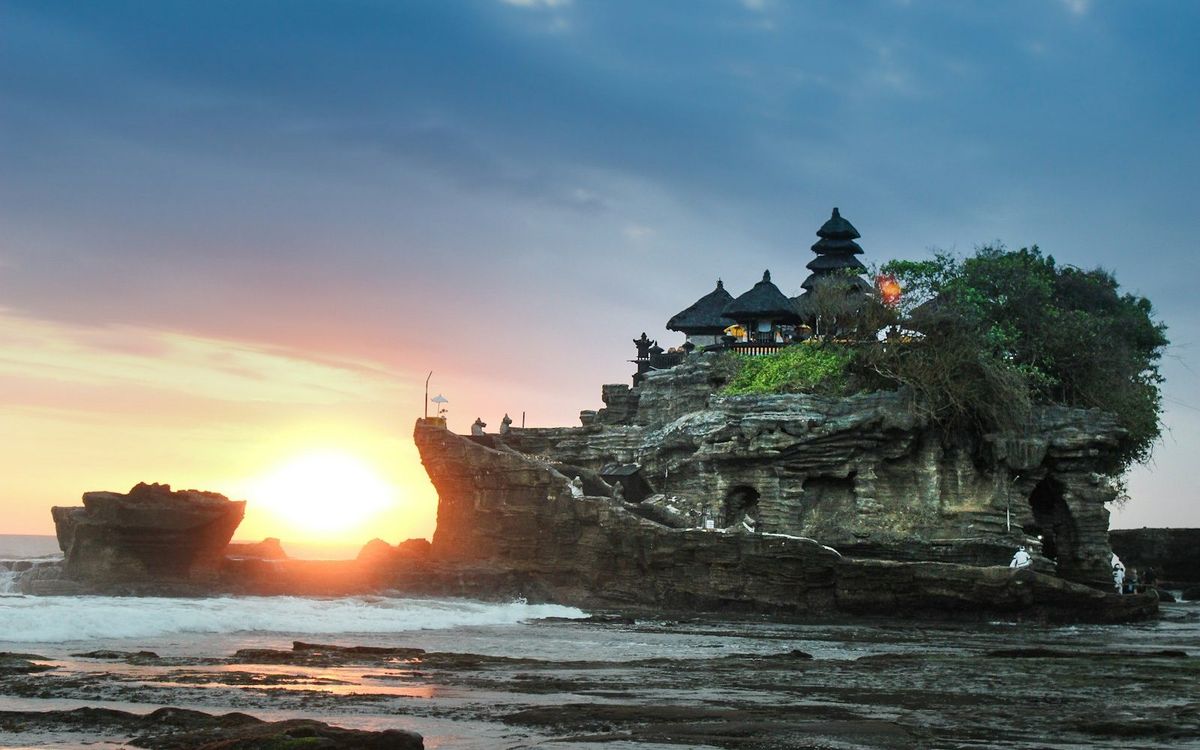
Ubud is Bali’s artistic and spiritual heartland, framed by river gorges, painting workshops, and ancient water temples. While central Jalan Raya Ubud gets gridlocked midday, walking ten minutes north onto the Kajeng or Sweet Orange trails—or basing yourself in Penestanan and Sayan—reveals a tranquil landscape of flooded paddies. Beyond the Sacred Monkey Forest and Tegallalang terraces, use Ubud as your base for morning purifying baths (melukat) at Tirta Empul and pre-dawn treks in Kintamani.
2. The Bukit Peninsula (Uluwatu, Bingin, and Nusa Dua)
Carved out of white limestone cliffs at Bali’s southern tip, the Bukit Peninsula feels drier and more expansive than the rest of the island. On the western edge, Uluwatu, Padang Padang, and Bingin draw surfers to world-class reef breaks. Every evening at 6:00 PM, the amphitheater beside Uluwatu Temple hosts a Kecak fire dance backed by seventy chanting men at sunset. On the eastern side, Nusa Dua offers gated five-star resorts, reef-protected lagoons, and beachfront walking paths ideal for families.
3. The Southern Lifestyle Strip (Seminyak, Canggu, and Sanur)
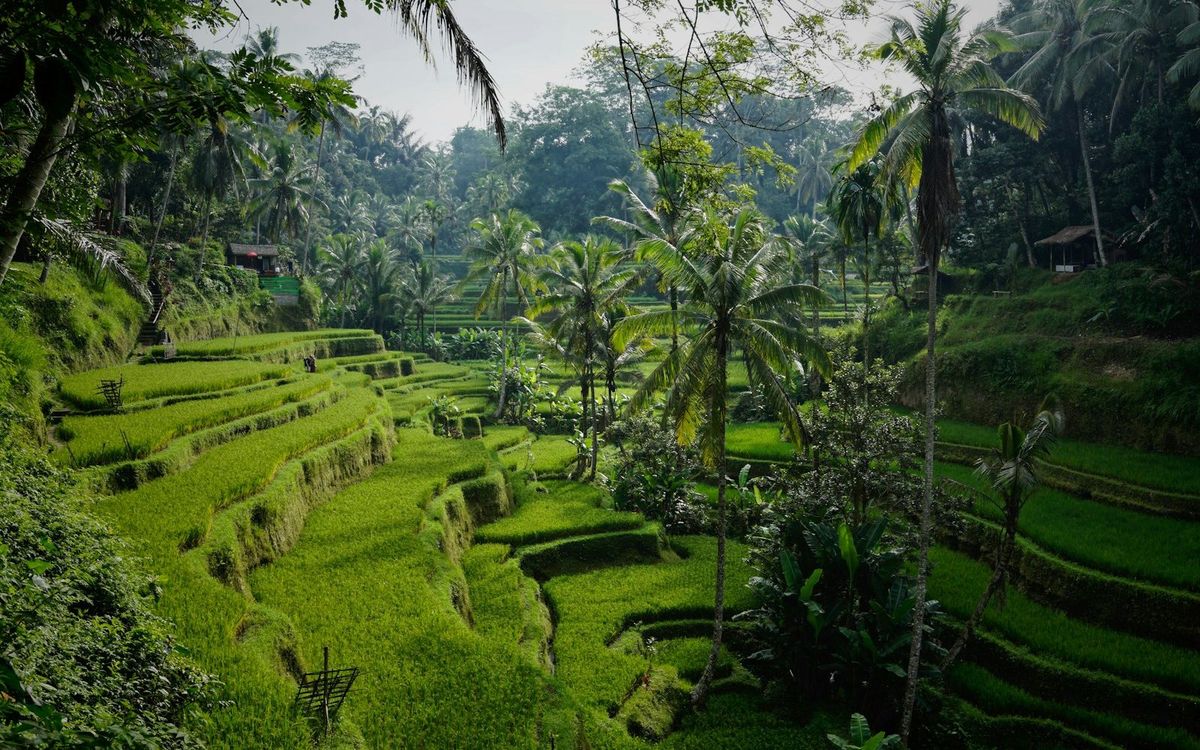
Stretching north from the airport along volcanic beaches, Seminyak and Canggu represent modern resort Bali. Seminyak pairs fashion boutiques and beachfront institutions like Potato Head and Ku De Ta with walkable dining streets. Further north, Canggu (Berawa, Batu Bolong, and Pererenan) mixes surf schools, co-working spaces, and brunch cafes. For calm sunrise waters, a paved five-kilometer seaside boardwalk, and easy boat access to the Nusa islands, head to Sanur on the southeast coast.
4. East Bali (Sidemen & Amed) and the North (Munduk)
To experience rural Bali, head east or north. Sidemen Valley sits beneath Mount Agung, offering bamboo eco-lodges, weaving villages, and guided walks across terraced hills. Further east on the coast, Amed is a string of quiet fishing bays where you can swim off the shore over coral gardens and the USAT Liberty shipwreck in nearby Tulamben. In the northern mountains, Munduk enchants hikers with misty clove plantations, twin crater lakes, and jungle waterfalls like Sekumpul and Banyumala.
5. The Nusa Islands (Nusa Penida & Nusa Lembongan)
Just 35 minutes by fast boat from Sanur, the Nusa islands offer turquoise water and rugged coastal cliffs. Nusa Lembongan and connected Nusa Ceningan are compact, low-traffic islands ideal for two nights of mangrove kayaking and swimming with reef manta rays. Larger Nusa Penida is famous for the T-Rex-shaped promontory of Kelingking Beach, Diamond Beach, and Broken Beach—best explored over an overnight stay rather than a rushed midday boat trip.
Sample 10-Day Bali Itinerary for First-Timers
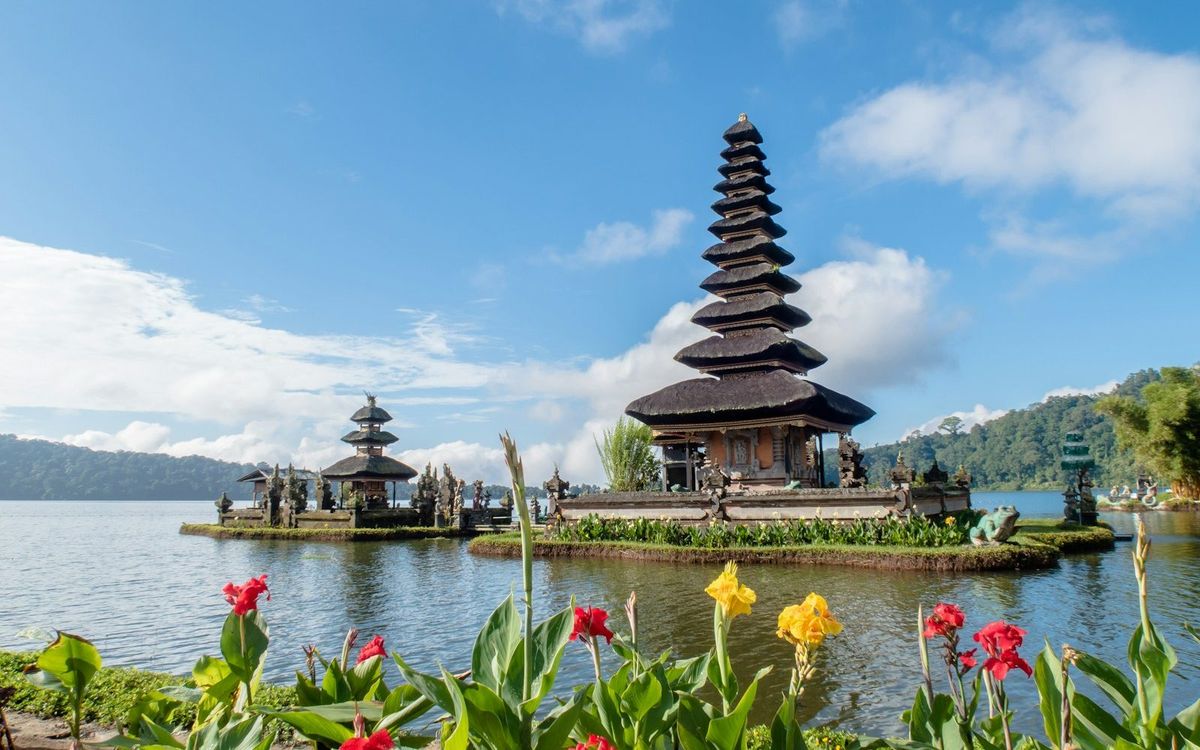
This balanced 10-day route limits hotel changes to three bases, keeping road transfers manageable while covering highland culture, eastern valleys, island cliffs, and southern beaches.
- Day 1: Arrival in Denpasar & Transfer to Ubud (1.5 hrs) — Clear customs with your e-VoA and tourist levy QR code, meet your driver, and settle into Ubud for a dinner of bebek betutu (spiced duck).
- Day 2: Ubud Trails, Waterfalls & Craft Villages — Walk the Campuhan Ridge trail at 6:30 AM, visit Tegallalang Rice Terraces by 8:30 AM, continue to Tirta Empul temple, and stop at Tibumana waterfall.
- Day 3: Mount Batur Sunrise & Kintamani — Take a 4x4 jeep tour into the black lava fields of Mount Batur caldera for sunrise, soak in natural hot springs, and taste Arabica coffee at a Kintamani roastery.
- Day 4: Scenic Transfer Through Sidemen & East Bali to Sanur — Hire a private driver for an 8-hour scenic transfer through East Bali, stopping at Sidemen Valley and Tirta Gangga water gardens before reaching Sanur.
- Day 5: Fast Boat to Nusa Lembongan or Nusa Penida — Board an 8:30 AM boat from Sanur Harbour. Spend the afternoon at Devil’s Tear on Lembongan or descending the stairs of Diamond Beach on Penida.
- Day 6: Manta Point Snorkeling & Cliff Viewpoints — Join an early snorkel boat to Manta Bay and Crystal Bay, then take a late-afternoon boat back and transfer 45 minutes south to Uluwatu.
- Day 7: Bukit Peninsula Beaches & Uluwatu Temple Kecak — Swim at Melasti or Thomas Beach in the morning. At 4:30 PM, visit Pura Luhur Uluwatu for the 6:00 PM sunset Kecak dance.
- Day 8: Surf Lesson in Padang Padang & Jimbaran Seafood — Take a beginner surf lesson at Padang Padang, then head to Jimbaran Bay at dusk for grilled snapper right on the sand.
- Day 9: Move to Seminyak or Pererenan (Canggu) — Transfer north after check-out. Spend the afternoon browsing boutiques, booking a Balinese massage, and watching sunset on the beach.
- Day 10: Souvenir Shopping & Departure from DPS — Pick up single-origin Bali cacao and Kusamba sea salt before heading to Denpasar Airport three hours prior to your flight.
Practical Information for Your Trip
How to Reach Bali (Global & Indian Flight Connectivity)
All international and domestic flights land at I Gusti Ngurah Rai International Airport (DPS), located just south of Kuta and 15 to 45 minutes from southern resort neighborhoods.
- From India (Delhi, Mumbai, Bengaluru): IndiGo operates direct flights from Bengaluru (BLR) to Denpasar (approx. 6.5 hours), while Air India flies nonstop from Delhi (DEL). One-stop connections from Mumbai (BOM), Delhi, Chennai, and Hyderabad are plentiful via Singapore (Singapore Airlines, Scoot), Kuala Lumpur (Malaysia Airlines, AirAsia, Batik Air), and Bangkok or Ho Chi Minh City (VietJet). Before locking in your tickets, check our breakdown on how to find cheap flights to compare layover hubs.
- From North America, UK & Europe: There are no direct flights from the US or UK; standard one-stop routings run through Singapore (SIN), Doha (Qatar Airways), Dubai (Emirates), Taipei (EVA Air), or Hong Kong (Cathay Pacific), with total journey times of 17 to 22 hours.
- From Australia: Direct flights of 3.5 to 6 hours operate daily from Perth, Darwin, Melbourne, Sydney, and Brisbane via Qantas, Jetstar, Virgin Australia, and Garuda Indonesia.
Getting Around the Island
Bali has no passenger railway network and limited public buses, so getting around relies on three main options:
- Ride-Hailing Apps (Grab & Gojek): Both apps work seamlessly across southern Bali and central Ubud for both cars and motorbike taxis (ojek, which include a passenger helmet). Note that certain village transport cooperatives in parts of Uluwatu, Padangbai, and central Ubud restrict app pick-ups in designated zones, though drop-offs are always permitted.
- Private Car & Driver: The safest, most comfortable option for day trips and inter-town transfers. Book through your accommodation or trusted local drivers via WhatsApp.
- Scooter Rentals: Daily rentals of a Honda Scoopy or Vario cost 80,000 to 150,000 IDR ($5–$9.50 USD / ₹425–₹800 INR). Only rent if you hold a valid motorcycle license plus an International Driving Permit (IDP); standard travel insurance policies explicitly void medical claims from motorbike accidents if you lack a two-wheeler license endorsement.
Bali Daily Budget & Cost Breakdown (2026)
Bali accommodates every spending style, from family-run guesthouses (homestays) to cliffside pool villas. Note: All prices below are approximate 2026 averages and may fluctuate based on exchange rates, seasonality, and fuel costs.
| Expense Category | Backpacker / Budget | Mid-Range Comfort | Luxury & Boutique |
|---|---|---|---|
| Accommodation (Per Night) | 250k–500k IDR ($16–$32 USD / ₹1,330–₹2,660 INR) | 900k–2.2M IDR ($57–$140 USD / ₹4,800–₹11,700 INR) | 3.8M–9.5M+ IDR ($240–$600+ USD / ₹20,200–₹50,500+ INR) |
| Food & Dining (Per Day) | 150k–280k IDR ($9.50–$18 USD / ₹800–₹1,500 INR) | 400k–750k IDR ($25–$48 USD / ₹2,130–₹4,000 INR) | 1.2M–2.5M+ IDR ($76–$160+ USD / ₹6,400–₹13,300+ INR) |
| Local Transport (Per Day) | 80k–150k IDR ($5–$9.50 USD / ₹425–₹800 INR) | 300k–700k IDR ($19–$44 USD / ₹1,600–₹3,720 INR) | 850k–1.5M IDR ($54–$95 USD / ₹4,520–₹8,000 INR) |
| Temples, Activities & Spa | 100k–200k IDR ($6.50–$13 USD / ₹530–₹1,060 INR) | 300k–600k IDR ($19–$38 USD / ₹1,600–₹3,200 INR) | 1M–2.5M IDR ($63–$160 USD / ₹5,300–₹13,300 INR) |
| Estimated Daily Total | 580k–1.13M IDR ($37–$72 USD / ₹3,085–₹6,020 INR) | 1.9M–4.25M IDR ($120–$270 USD / ₹10,130–₹22,620 INR) | 6.85M–16M+ IDR ($433–$1,015+ USD / ₹36,420–₹84,800+ INR) |
Visa, Entry Rules & Digital Declarations
Entering Bali in 2026 requires four quick steps—doing them online before departure saves up to an hour in airport queues:
- Passport Validity: Your passport must have at least 6 months validity from your arrival date and two blank pages. Indonesian immigration strictly denies boarding to anyone with torn or water-damaged passport pages.
- Electronic Visa on Arrival (e-VoA): Citizens of over 90 countries—including India, the United States, the UK, Canada, Australia, and EU member states—can apply via the Official Indonesian Immigration e-Visa Portal. The 30-day B1 tourist VoA costs 500,000 IDR (~$32 USD / ₹2,700 INR) and can be extended once online for another 30 days. With an e-VoA and biometric passport, you can walk straight through the automated autogates at Denpasar Airport.
- All Indonesia Arrival Card & Customs (e-CD): Complete the mandatory electronic customs and health declaration within 72 hours of arrival to generate a QR code for baggage exit.
- Bali Provincial Tourist Levy: Pay the 150,000 IDR (~$10 USD / ₹820 INR) cultural and environmental fee on the Official Love Bali Tourist Levy Website and save the receipt to your phone.
Cultural Etiquette, Health & Safety Tips
Balinese Hinduism (Agama Hindu Dharma) shapes daily life across the island. Keep these practical safety and etiquette habits in mind, and review our international travel packing list before zipping your bags:
- Temple Dress Code: Both men and women must wear a sarong and waist sash (selendang) with shoulders covered when entering any pura (temple). Many major temples include sarong loan in the ticket price, but carrying your own lightweight cotton sarong is cleaner and handier.
- Step Over Offerings: Small woven palm baskets filled with flowers, rice, and incense (canang sari) are placed on shop thresholds and sidewalks every morning. Step around them rather than over them.
- Water & Stomach Safety (“Bali Belly”): Never drink tap water; use bottled or filtered water even when brushing your teeth. Most cases of traveler’s stomach come from unwashed hands rather than ice (commercial ice in Bali is government-regulated and made from purified water).
- Ocean Rip Currents: The beaches of Kuta, Seminyak, Canggu, and Nusa Penida experience powerful undertows and shifting rip currents. Always swim strictly between red-and-yellow lifeguarded flags, and never wade into waist-deep surf at Diamond Beach or Kelingking when swells are high.
- Curated Island Inspiration: For seasonal festival dates and regional tourism updates, check the Wonderful Indonesia Official Bali Guide.
Frequently Asked Questions
How many days are enough for a first-time trip to Bali?
Ten to twelve days is the sweet spot for a first visit to Bali. Because island traffic can turn a forty-kilometer drive into a two-hour journey, having ten full days lets you split your stay across three distinct bases—such as Ubud, Uluwatu, and Nusa Penida or Sidemen—without spending your entire vacation inside a taxi.
Do Indian and US passport holders need a visa in advance for Bali?
Both Indian and US passport holders qualify for Indonesia's Visa on Arrival (VoA), which costs 500,000 IDR (roughly $32 USD or ₹2,700 INR) and is valid for 30 days. You can apply for the Electronic Visa on Arrival (e-VoA) online up to 48 hours before departure to use the automated biometric e-gates at Denpasar Airport.
Is it better to carry cash or use cards and UPI in Bali?
Cards are widely accepted at beach clubs, boutique hotels, and sit-down cafes in Canggu, Seminyak, and Ubud, though merchants often add a 2% to 3% surcharge. You still need Indonesian Rupiah (IDR) cash for temple entrance fees, local warungs, parking attendants, and boat porters. Withdraw from bank-attached BNI, Mandiri, or BCA ATMs.
Can tourists legally rent and ride a scooter in Bali?
To ride a scooter legally in Bali and keep your travel insurance valid, you must carry both your home country motorcycle license and an International Driving Permit (IDP) endorsed for two-wheelers, plus wear a helmet. If you do not have prior riding experience in dense Asian traffic, hiring private drivers or using Grab and Gojek is much safer.
What is the Bali International Tourist Levy and how do I pay it?
All foreign visitors entering Bali must pay a mandatory 150,000 IDR (around $10 USD or ₹820 INR) provincial tourist levy per entry, separate from the national visa fee. You can pay digitally via the Love Bali web portal before your flight or at dedicated payment counters inside I Gusti Ngurah Rai International Airport before exiting customs.
Conclusion: Planning Your Next Steps
Bali rewards travelers who slow down. Instead of trying to tick off ten Instagram viewpoints from the backseat of a car every day, pick two or three distinct regions—such as the misty river valleys of Ubud, the peaceful foothills of Sidemen, and the dramatic limestone cliffs of Uluwatu—and leave space for early morning walks and unhurried meals at neighborhood warungs.
Ready to lock in your itinerary and accommodation? Dive into our neighborhood-by-neighborhood breakdown of where to stay in Bali to pick the best hotels and villas for your budget, or compare regional options with our 7-day Thailand itinerary if you are deciding between Southeast Asia’s top island escapes.