
Australia East Coast Travel Guide: Sydney to Cairns
Use our australia east coast travel guide to plan your Sydney to Cairns route, covering Whitsundays sailing, K'gari, campervan vs flights, and 2026 costs.
 By Shivam Published Updated 9 min read
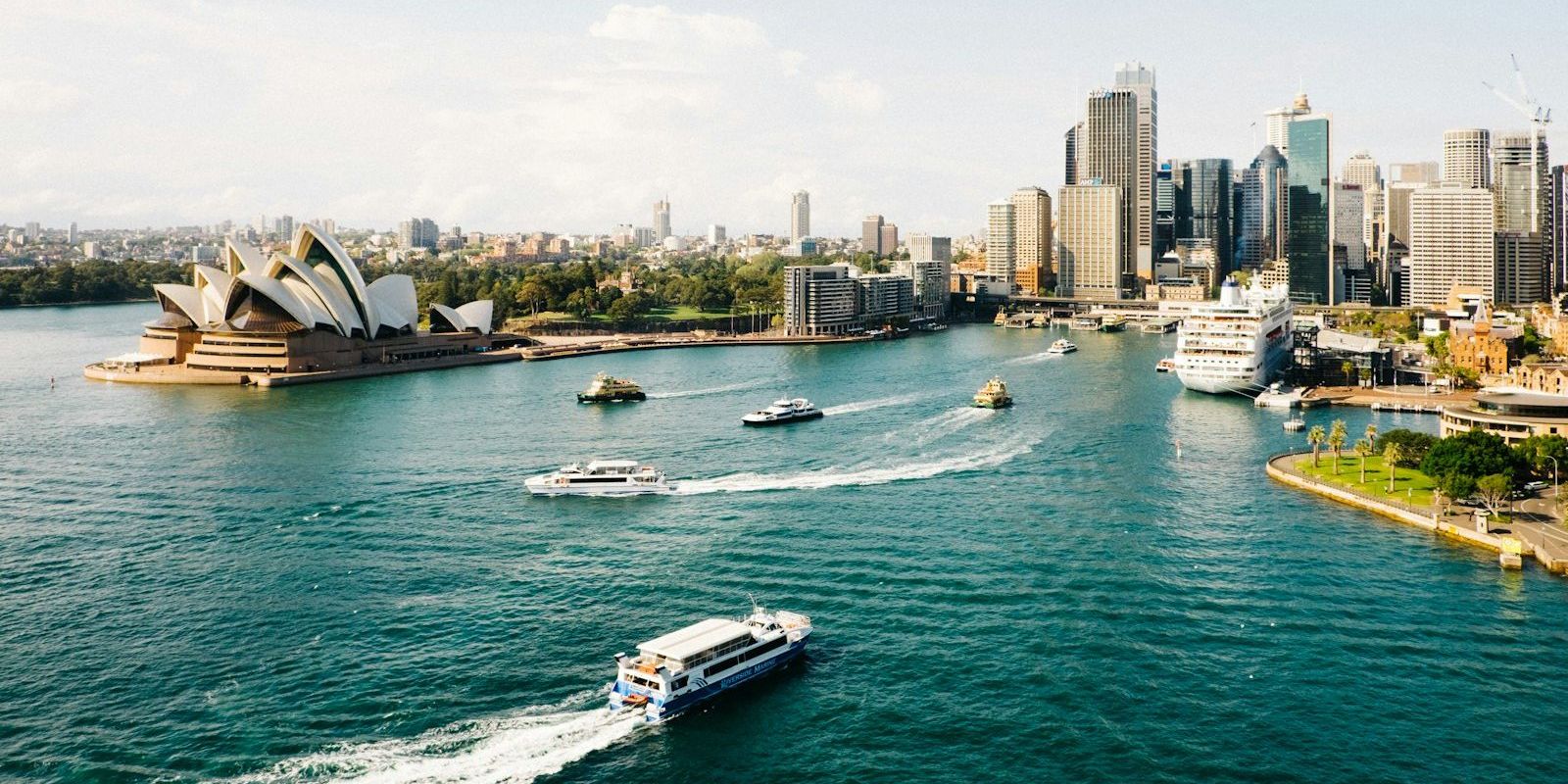
Tracing the Pacific shoreline from the sandstone cliffs of Sydney Harbour to the ancient lowland rainforests of Tropical North Queensland is one of the planet’s great coastal journeys. Yet the single biggest mistake first-time visitors make is underestimating the sheer scale of the continent: the highway corridor between Sydney and Cairns stretches more than 2,600 kilometers (1,615 miles). This australia east coast travel guide shows you how to conquer those distances without spending your entire holiday staring at asphalt. Whether you are planning a two-week fly-and-drive vacation or a month-long campervan road trip in 2026, you will learn how to balance Southern and Tropical weather windows, choose the best stops between New South Wales and Queensland, compare transport and daily costs in AUD, USD, and INR, and navigate biosecurity and visa rules.
Best Time to Visit Australia’s East Coast
Because the East Coast spans from the temperate latitudes of Sydney (33°S) across the Tropic of Capricorn at Rockhampton to the equatorial tropics of Cairns and Port Douglas (16°S), its northern and southern halves have opposite peak seasons. Remember that as a Southern Hemisphere destination in Oceania, Australia’s summer runs from December to February and winter runs from June to August.
The Crossover Sweet Spots: September–November & April–May
If your itinerary covers both Sydney and the Great Barrier Reef in a single trip, aim for the spring (September to November) or autumn (April to May) crossover windows:
- September to Early November: The absolute best all-round period. Tropical North Queensland (Cairns, Port Douglas, and the Whitsundays) enjoys dry, sunny 28°C–30°C (82°F–86°F) days, calm turquoise seas with peak underwater visibility on the outer reef, and sits outside the main marine stinger season. Meanwhile, Sydney and Byron Bay warm up to 22°C–26°C (72°F–79°F), and migrating humpback whales pass right along the coast with their calves.
- April to May: Late autumn brings warm ocean water in New South Wales and marks the transition out of the tropical wet season in Queensland, with lush waterfalls and moderate hotel rates (just avoid the two-week Australian Easter school holidays).
Winter (June to August): Peak Season in the Tropics, Cool in the South
Australian winter is high season in Cairns, Port Douglas, the Whitsundays, and K’gari: daytime highs sit at a glorious 26°C (79°F), humidity is low, and there are no marine stingers. Further south in Sydney and Melbourne, winter days are crisp and sunny (16°C–18°C / 61°F–64°F, dropping to 8°C at night)—lovely for coastal cliff walks and city sightseeing, though chilly for swimming without a wetsuit.
Summer (December to February): Beach Weather in the South, Monsoon in the North
Summer is prime time for Sydney, Jervis Bay, Byron Bay, and the Gold Coast. However, in Tropical North Queensland (north of Townsville) and the Whitsundays, December to March is the hot, humid wet season—bringing tropical downpours, potential cyclone activity, and marine stinger season.
Top Stops Along the Australia East Coast (South to North)
Whether you are driving the Pacific Highway (A1) and Bruce Highway (M1) or hopping between regional airports, these seven hubs form the backbone of the East Coast route.
1. Sydney & the Blue Mountains (New South Wales)
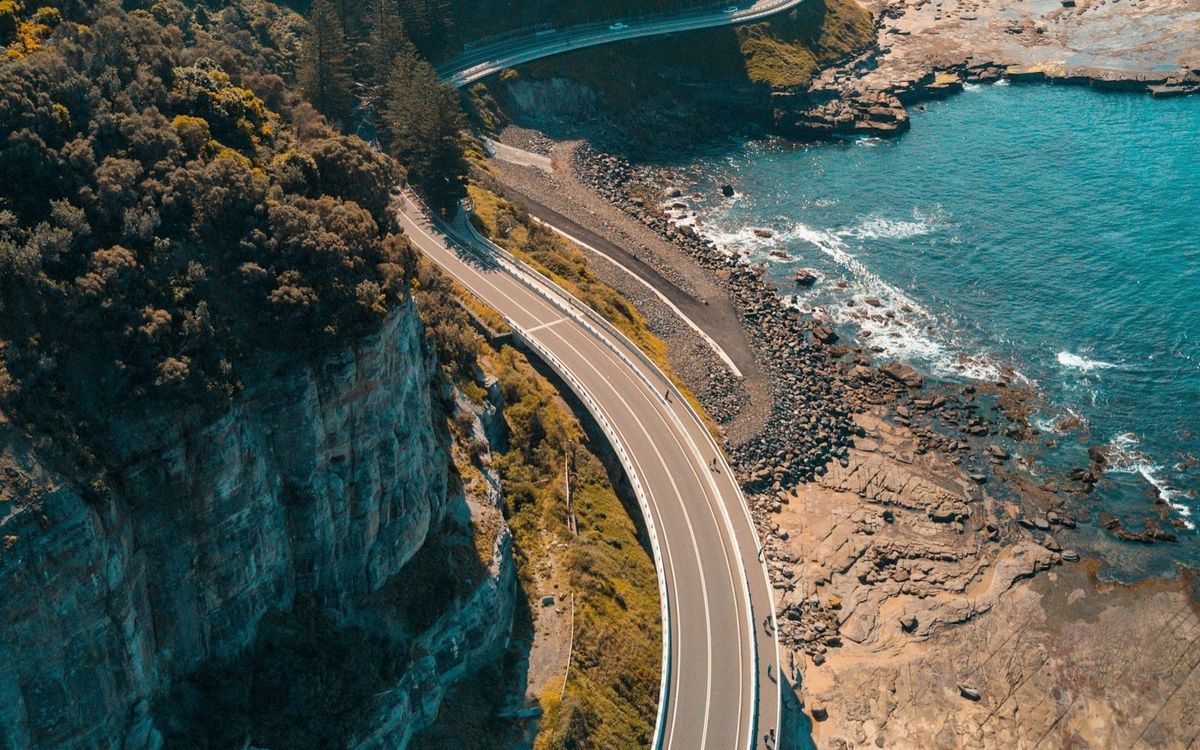
Australia’s oldest metropolis is built around one of the world’s finest natural harbors. Spend Day 1 walking from The Rocks across the Sydney Harbour Bridge, touring the Sydney Opera House, and riding the public ferry to Manly Beach at sunset. On Day 2, walk the 6-kilometer cliffside path from Bondi to Coogee, cooling off in sandstone ocean pools like Icebergs or Bronte Baths. With an extra day, take a two-hour train west to the Blue Mountains National Park in Katoomba to see the Three Sisters rock formation and eucalyptus valleys.
2. Port Stephens, Byron Bay & the Northern Rivers
Heading north out of Sydney along the Pacific Coast drive:
- Hunter Valley & Port Stephens (2.5 hrs north of Sydney): Pair Semillon wine tastings in the Hunter Valley with sandboarding on the Stockton Dunes and spotting wild koalas and dolphins in Port Stephens.
- Byron Bay (800 km north of Sydney, or a 75-min flight to Ballina): Australia’s easternmost mainland town blends longboard surf breaks at The Pass and Wategos Beach with farm-to-table cafes. Walk up to the Cape Byron Lighthouse at dawn to watch dolphins and migrating whales below.
3. The Gold Coast, Brisbane & the Sunshine Coast (South East Queensland)
Forty-five minutes north of Byron Bay, you cross into Queensland:
- Gold Coast & Burleigh Heads: Skip the high-rises of Surfers Paradise for Burleigh Heads and Coolangatta, where pine-shaded headlands meet point breaks, and day-trip inland to Lamington and Springbrook National Parks.
- Brisbane: Stroll the South Bank riverside parklands, kayak beneath the Story Bridge, and dine at the Howard Smith Wharves precinct.
- Noosa (Sunshine Coast, 90 mins north of Brisbane): Walk through Noosa National Park spotting wild koalas in eucalyptus forks above turquoise bays, or paddle through the mirror-calm Noosa Everglades.
4. K’gari (formerly Fraser Island)
Departing by ferry from Hervey Bay or Rainbow Beach, UNESCO-listed K’gari (meaning “paradise” in the language of the Butchulla people) is the largest sand island in the world (123 km long), where tall rainforests grow directly out of pure sand dunes. Because 75 Mile Beach acts as both a 4WD highway and bush airstrip, joining a 2-day or 3-day guided 4WD tour is essential to swim in the silica-filtered waters of Lake McKenzie (Boorangoora), float down Eli Creek, and spot wild dingoes (wongari).
5. Airlie Beach & the Whitsunday Islands
Halfway up the Queensland coast, Airlie Beach and Hamilton Island are your gateways to the 74 Whitsunday Islands. The crown jewel is Whitehaven Beach—seven kilometers of 98% pure white silica sand that stays cool underfoot in the midday sun. Walk up to the Hill Inlet Lookout at mid-to-low tide to photograph the swirling fusion of aqua water and white sandbars, or book a scenic flight over Heart Reef.
6. Magnetic Island (Townsville)
Sitting 20 minutes by ferry off Townsville, Magnetic Island (“Maggie”) boasts 320 days of sunshine a year and over two-thirds protected national park. Hike the Forts Walk in the late afternoon to spot wild koalas, feed rock wallabies at Geoffrey Bay, and snorkel the self-guided trail off Alma Bay and Nelly Bay.
7. Cairns, Port Douglas & the Daintree Rainforest
At the northern finale of the route, two UNESCO World Heritage icons—the Great Barrier Reef and the Daintree Rainforest—meet at Cape Tribulation:
- Cairns vs. Port Douglas: Cairns offers a lively marina and waterfront Esplanade Lagoon, while Port Douglas (one hour north along the Captain Cook Highway) is a boutique village beside Four Mile Beach close to Agincourt Reef.
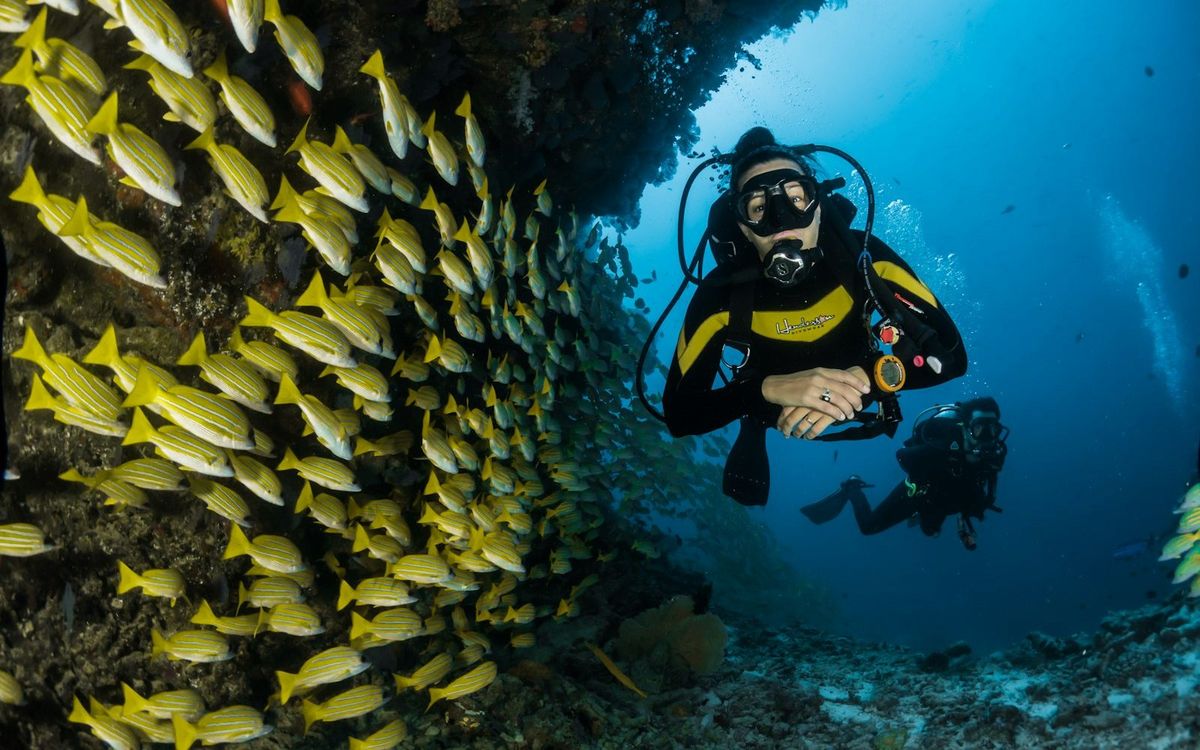
- Outer Reef Snorkeling & Diving: Book a catamaran to the Outer Barrier Reef (such as Agincourt, Flynn, or Milln reefs) where deep Coral Sea currents support vibrant coral walls and giant clams.
- Daintree & Mossman Gorge: Join a Kuku Yalanji Indigenous-guided Ngadiku Dreamtime Walk at Mossman Gorge, cruise the Daintree River to spot estuarine crocodiles, and ride the Skyrail Rainforest Cableway to Kuranda.
Sample 15-Day Fly-and-Drive East Coast Itinerary
If you have two weeks rather than a full month, skip the 1,100-kilometer inland stretch of the Bruce Highway between Noosa and Airlie Beach and use this hybrid route combining coastal drives with two short flights:
- Days 1–4: Sydney Base — Explore Sydney Harbour, the Opera House, The Rocks, the Bondi-to-Coogee walk, Manly Ferry, and a day trip to the Blue Mountains.
- Days 5–6: Fly to Ballina/Byron Bay & Rent a Car — Fly 75 minutes from Sydney (SYD) to Ballina (BNK). Spend two days surfing and walking Cape Byron, then drive 2 hours north through Burleigh Heads to Brisbane.
- Days 7–9: Noosa & K’gari (Fraser Island) — Drive 90 minutes north to Noosa Heads, then continue to Hervey Bay for a 2-day guided 4WD tour on K’gari (Lake McKenzie, Eli Creek, 75 Mile Beach) before returning your car in Brisbane.
- Days 10–12: Fly to the Whitsundays (Proserpine/PPP or Hamilton Island/HTI) — Catch a 95-minute flight north for three days of sailing to Whitehaven Beach, Hill Inlet, and outer fringing reefs.
- Days 13–15: Fly to Cairns & Port Douglas — Take a 75-minute flight to Cairns (CNS). Spend one full day snorkeling the Outer Great Barrier Reef and one full day exploring Mossman Gorge and the Daintree Rainforest before flying home.
Practical Information for Your Trip
How to Reach Australia (Global & Indian Flight Connectivity)
For an East Coast itinerary, book an open-jaw multi-city ticket flying into Sydney Kingsford Smith Airport (SYD) and departing from Cairns (CNS) or Brisbane (BNE)—read our guide on how to find cheap flights to compare multi-city fares.
- From India (Delhi, Mumbai, Bengaluru): Qantas operates direct flights from Bengaluru (BLR) to Sydney (approx. 11 hours 20 minutes) and Delhi (DEL) to Melbourne, while Air India flies nonstop from Delhi to Sydney and Melbourne. Excellent one-stop connections into Sydney, Brisbane, and even directly into Cairns (CNS) run via Singapore Airlines (which flies nonstop Singapore–Cairns in 6.5 hours, saving a domestic backtrack!), Malaysia Airlines, and Batik Air.
- From North America: Nonstop flights of 13.5 to 15.5 hours connect Los Angeles, San Francisco, Dallas-Fort Worth, Vancouver, and Honolulu with Sydney and Brisbane via Qantas, United, Delta, American Airlines, and Air Canada.
- From the UK & Europe: Qantas operates direct Perth-to-London/Paris/Rome flights, while Emirates, Qatar Airways, Singapore Airlines, and Cathay Pacific offer one-stop connections into Sydney and Brisbane in 21 to 23 hours.
Australia Daily Budget & Cost Breakdown (2026)
Australia is a high-wage destination where dining out and guided marine tours carry first-world prices, but its world-class national parks, museums, public beaches, and clean electric beachside BBQs are completely free. Note: Prices below are approximate 2026 per-person daily averages in AUD, USD, and INR and may vary by season.
| Expense Category | Backpacker / Hostel & Van | Mid-Range Hotel & Car | Luxury & Island Resorts |
|---|---|---|---|
| Accommodation (Per Night) | $55–$95 AUD ($37–$63 USD / ₹3,080–₹5,320 INR) | $210–$360 AUD ($140–$240 USD / ₹11,760–₹20,160 INR) | $650–$1,500+ AUD ($433–$1,000+ USD / ₹36,400–₹84,000+ INR) |
| Food & Coffee (Per Day) | $40–$65 AUD ($27–$43 USD / ₹2,240–₹3,640 INR) | $85–$140 AUD ($57–$93 USD / ₹4,760–₹7,840 INR) | $210–$380+ AUD ($140–$253+ USD / ₹11,760–₹21,280+ INR) |
| Transport / Car / Flights | $35–$65 AUD ($23–$43 USD / ₹1,960–₹3,640 INR) | $75–$130 AUD ($50–$87 USD / ₹4,200–₹7,280 INR) | $160–$320 AUD ($107–$213 USD / ₹8,960–₹17,920 INR) |
| Reef, K’gari & Sailing Tours | $45–$85 AUD ($30–$57 USD / ₹2,520–₹4,760 INR) | $90–$160 AUD ($60–$107 USD / ₹5,040–₹8,960 INR) | $250–$550 AUD ($167–$367 USD / ₹14,000–₹30,800 INR) |
| Estimated Daily Total | $175–$310 AUD ($117–$206 USD / ₹9,800–₹17,360 INR) | $460–$790 AUD ($307–$527 USD / ₹25,760–₹44,240 INR) | $1,270–$2,750+ AUD ($847–$1,833+ USD / ₹71,120–₹154,000+ INR) |
Visas, Biosecurity & Strict Entry Rules
Australia is completely paperless for visas—no physical label is stamped in your passport, as your visa is electronically linked to your passport number:
- US, Canada, Singapore, Japan & South Korea Passports: Apply via the official AustralianETA smartphone app for the Electronic Travel Authority (Subclass 601) ($20 AUD service fee).
- UK & European Union Passports: Apply online for the free eVisitor (Subclass 651) visa.
- Indian Passport Holders: Apply online via the Australian Department of Home Affairs Visitor Visa (Subclass 600) Portal. The Tourist Stream fee is $195 AUD (~$130 USD / ₹10,900 INR), and no in-person interview is required—upload financial proof, employment leave letters, ITRs, and itinerary details 4 to 6 weeks before travel.
- Strict Biosecurity Rules: Australia enforces the world’s strictest quarantine laws to protect its isolated ecosystems. On your incoming passenger card, you must declare every single food item (including packaged Indian snacks, spices, nuts, tea, dairy, and airplane fruit), wooden souvenirs, and hiking boots with soil on the soles. Declaring an item is never penalized—officers simply inspect it and let safe packaged items through—whereas failing to declare carries an instant on-the-spot fine of $3,300+ AUD.
For official park permits, reef conditions, and seasonal whale-watching updates, consult Tourism Australia’s Official Travel Guide and the Queensland National Parks & Wildlife Service Portal.
Frequently Asked Questions
How long does it take to travel the Australia East Coast from Sydney to Cairns?
Because the driving distance between Sydney and Cairns is over 2,600 kilometers (1,615 miles)—roughly equivalent to driving from London to Istanbul or Delhi to Kanyakumari—you need at least 3 to 4 weeks if driving a car or campervan. If you only have 14 to 16 days, fly between key hubs (Sydney to Byron/Gold Coast, Brisbane to Proserpine, and Hamilton Island to Cairns).
Is it better to travel north from Sydney to Cairns or south from Cairns to Sydney?
Both directions work well depending on the season. In the southern autumn (April to May), start in Sydney while New South Wales is still warm and finish in Tropical North Queensland as the dry season begins. In spring (September to November), start in Cairns before tropical humidity builds and follow warming coastal weather south toward Sydney.
When is marine stinger season in Queensland and can I still swim?
Marine stinger season (when box jellyfish and tiny Irukandji jellyfish are present in coastal waters north of Bundaberg, including Airlie Beach and Cairns) runs from November through May. During these months, you must swim inside protective stinger nets on mainland beaches and wear a complimentary full-body lycra stinger suit when snorkeling the Great Barrier Reef.
Do Indian, US, and UK travelers need a visa for Australia in 2026?
Every non-citizen (except New Zealanders) requires an approved visa or electronic authority before boarding a flight to Australia. UK and EU passport holders apply for the free eVisitor (subclass 651), US and Canadian citizens apply for the Electronic Travel Authority (ETA subclass 601), and Indian passport holders apply online for the Visitor Visa (subclass 600) via ImmiAccount.
Can I drive a standard rental car or campervan onto K'gari (Fraser Island)?
No. K'gari (formerly Fraser Island) is the world's largest sand island and has zero paved roads—its main highway is 75 Mile Beach, which is subject to shifting ocean tides and deep soft sand. Standard 2WD cars and campervans are strictly prohibited; you must either join a guided 4WD tag-along or bus tour from Hervey Bay or Rainbow Beach, or rent a specialized high-clearance 4WD.
Conclusion: Planning Your Next Steps
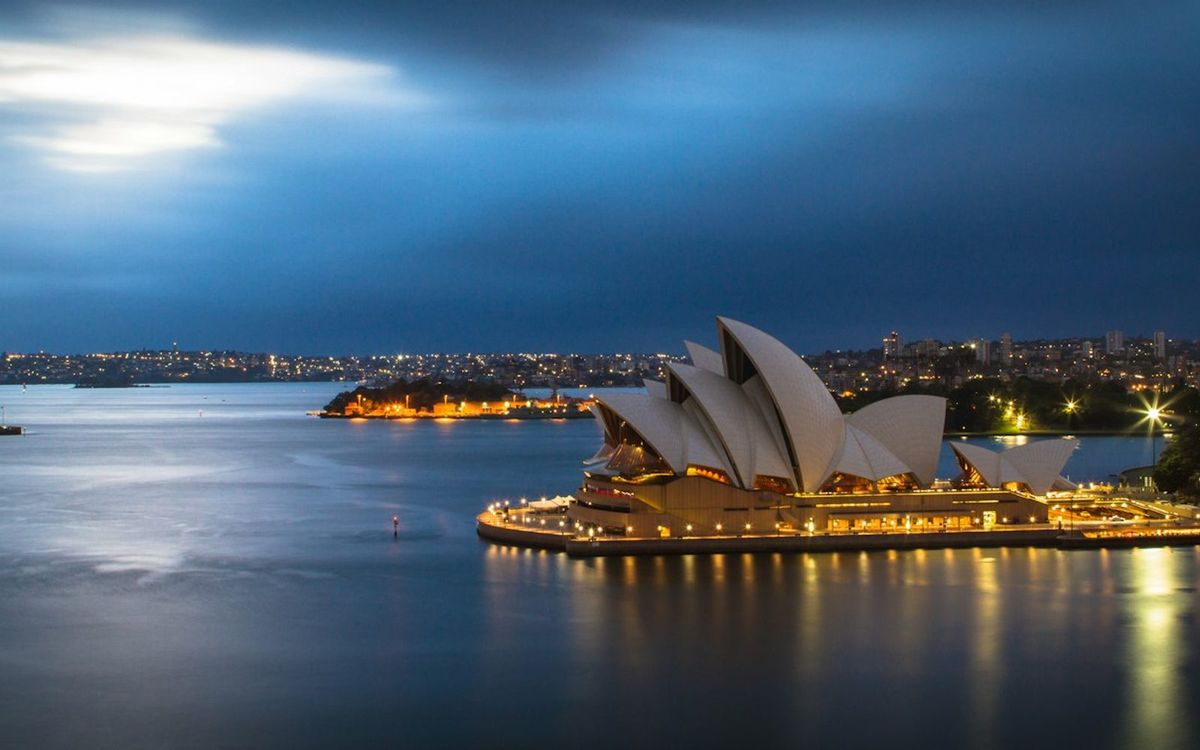
From watching the evening sails of the Sydney Opera House glow gold to floating over neon giant clams on the Outer Great Barrier Reef, the Australia East Coast delivers a rare blend of effortless city culture and untamed wilderness. The secret to a stress-free trip is respecting the continent’s vast distances—either by giving yourself a full month in a campervan or using smart 90-minute domestic flights to link Sydney, Byron Bay, K’gari, the Whitsundays, and Cairns.
Ready to start booking your flights and gear? Head over to our step-by-step guide on how to find cheap flights to lock in an open-jaw ticket into Sydney and out of Cairns, and make sure your bags are quarantine-ready with our complete international travel packing list.