Japanese Ryokan & Onsen Guide: Etiquette & Booking
Plan your stay with our japanese ryokan and onsen guide covering bathing rules, tattoo policies, kaiseki dining, yukata etiquette, and costs.
 By Shivam Published Updated 9 min read
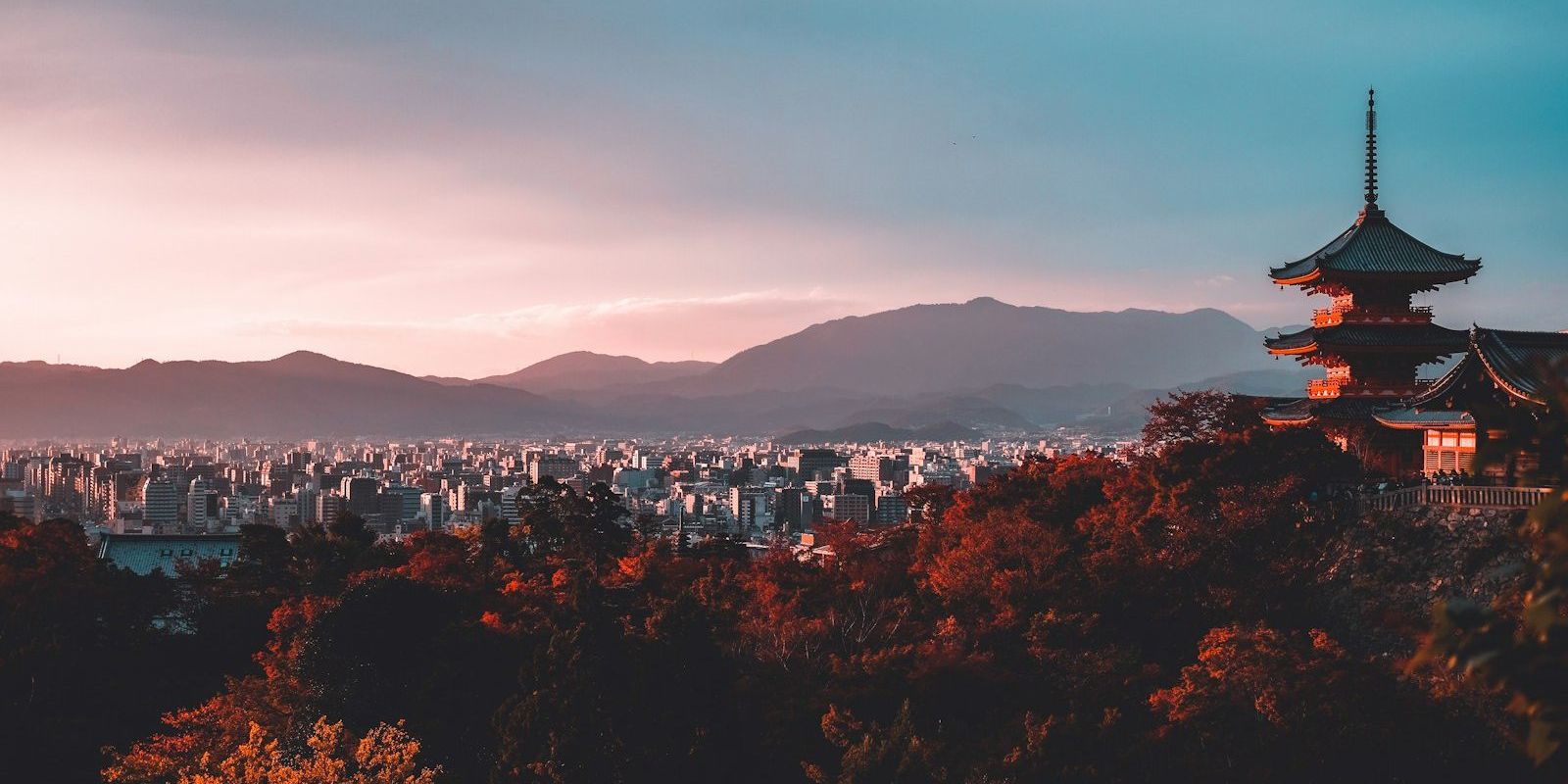
Slide open the cedar lattice door of a traditional Japanese inn, step out of your travel shoes onto cool woven rush grass (tatami), and the pace of modern Japan drops away immediately. This japanese ryokan and onsen guide walks you through every step of Japan’s most restorative cultural tradition—from choosing the right hot spring town and understanding per-person ichi-박 ni-shoku (one night, two meals) pricing in JPY, USD, and INR, to folding your yukata robe the right way, bathing with confidence in mineral-rich volcanic waters, and navigating tattoo and dietary rules without a single awkward moment.
What Makes a Ryokan Different from a Hotel?
A ryokan (旅館) is far more than a vintage boutique hotel with sliding paper doors. Originating along feudal highways like the Tokaido and Nakasendo during the Edo period (1603–1867) to shelter traveling lords, merchants, and pilgrims, a ryokan is a complete cultural ecosystem built around omotenashi (wholehearted, anticipatory hospitality).
Instead of checking in late at night just to sleep, a ryokan stay is the destination. You arrive at 3:00 PM, change out of street clothes into a breathable cotton yukata, soak in geothermal spring water (onsen), feast on an 8-to-12-course seasonal kaiseki banquet, sleep on a plush futon laid out on fragrant igusa straw tatami mats while you are at dinner, and wake to a morning soak followed by grilled fish, miso soup, and steaming rice. If you enjoy immersive cultural experiences, allocating even a single night of your trip to a ryokan elevates any route through the best places to visit in Japan.
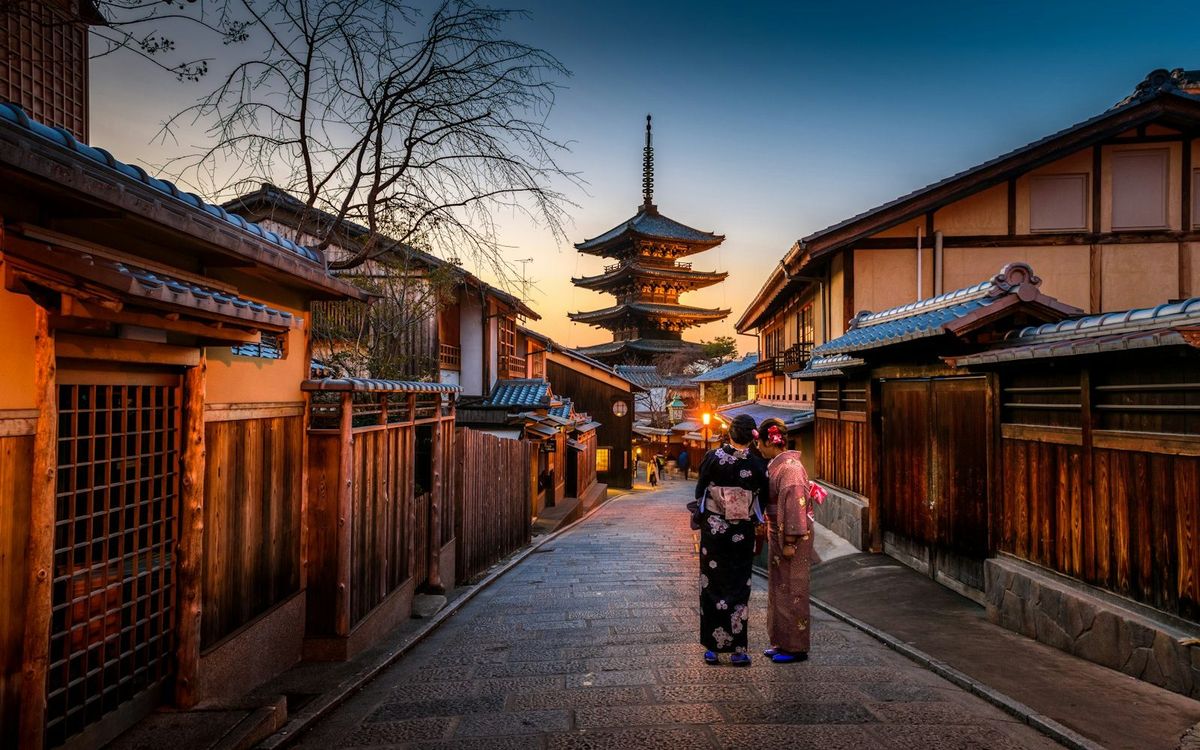
Tatami Room & Yukata Etiquette: From Genkan to Bedtime
Most first-time visitors worry about accidentally breaking an unspoken house rule. In reality, your nakai-san (room attendant) expects foreign travelers to have questions, and following these five simple habits will earn immediate appreciation.
1. The Three-Shoe System (Outside, Corridor, Restroom)
Footwear boundaries in a ryokan follow a strict hierarchy of cleanliness:
- At the Main Entrance (Genkan): Remove your outdoor shoes before stepping up onto the polished wooden floor. Staff will store your shoes and lay out pairs of house slippers.
- At Your Tatami Room Door: Wear house slippers through wooden hallways, stairs, and elevators, but slide out of your slippers before stepping onto the woven tatami mats. Only bare feet or clean socks should ever touch tatami.
- Inside the En-Suite Toilet: Inside your room’s restroom, you will see a dedicated pair of “toilet slippers” waiting just inside the door. Step out of the tatami room into the toilet slippers, and remember to swap out of them when stepping back onto the tatami (walking back into the living area wearing toilet slippers is the #1 universal tourist comedy moment in Japan).
- Wheeled Luggage: Lift wheeled suitcases when crossing tatami mats rather than rolling them, as heavy wheels crush the delicate woven rush fibers.
2. How to Wear Your Yukata Properly (Left Over Right!)
Inside your room’s wardrobe (oshiire) or wooden tray, you will find a folded cotton robe (yukata), a woven belt (obi), and—in cooler months—a quilted short jacket (haori or tanzen), plus split-toe socks (tabi).
- The Golden Rule: Put your arms through the sleeves, wrap the right side of the robe snug against your body first, and fold the left side over the top of the right side so the collar forms a lowercase letter “y” at your throat. Never wrap right-over-left, which is strictly reserved for dressing the deceased at funerals.
- Where You Can Wear It: Unlike a Western hotel bathrobe, a yukata is proper attire throughout the entire ryokan—including the dining hall, the lounge, the walk to the onsen baths, and even strolling down the cobblestone streets of traditional hot spring towns like Kinosaki Onsen, Kusatsu, or Kurokawa.
Step-by-Step Onsen Bathing Etiquette
To qualify legally as an onsen (温泉) under Japan’s Hot Springs Act, bathwater must be naturally geothermally heated to at least 25°C (77°F) at the source or contain specific concentrations of volcanic minerals such as sulfur, iron, sodium chloride, or hydrogen carbonate. (Heated tap-water public baths are called sento.)
Because the steaming mineral pool is shared by dozens of bathers throughout the day, the soaking tub is strictly for relaxing after you are already spotlessly clean, never for washing yourself.
The 6 Steps of Entering an Onsen
- Check the Noren Curtain Color: Men’s baths are usually marked with a blue or purple curtain showing the kanji 男 (otoko), while women’s baths have a red or orange curtain showing 女 (onna). Many ryokans swap the men’s and women’s sides overnight so guests can experience both bath designs—check the posted schedule before walking in at 6:30 AM!
- Undress Completely in the Changing Room (Datsuijo): Place all clothing and your large bath towel into a numbered wicker basket or locker. Take only your small modesty washcloth (tenugui) with you into the bathing room. Leave smartphones and cameras locked in the changing room.
- Sit Down at a Washing Station First: Never stand up while showering, as spray splashes neighboring bathers. Sit on one of the low plastic or wooden stools (isu) facing a handheld showerhead and mirror. Wash your hair, face, and entire body thoroughly with soap, then rinse every trace of suds off both your skin and the stool.
- Keep Your Small Towel and Hair Out of the Water: Tie long hair up so it never touches the bathwater. As you walk from the shower to the bath, you may hold your small towel in front of you for modesty, then place it on top of your head or on a dry rock ledge beside the pool—never submerge the towel in the spring water.
- Soak Slowly and Quietly: Ease into the hot water (typically 40°C to 43°C / 104°F to 109°F) for 10 to 15 minutes at a time. Avoid swimming, splashing, or loud conversation.
- Don’t Rinse Off the Minerals & Wipe Dry Before Exiting: Unless the spring is strongly acidic or sulfurous and you have sensitive skin, skip the final fresh-water shower so the beneficial minerals remain on your skin. Before stepping back onto the changing room’s woven mat, use your wrung-out small modesty towel to wipe excess water drips off your body.
Kaiseki Ryori: The Culinary Heart of a Ryokan Stay
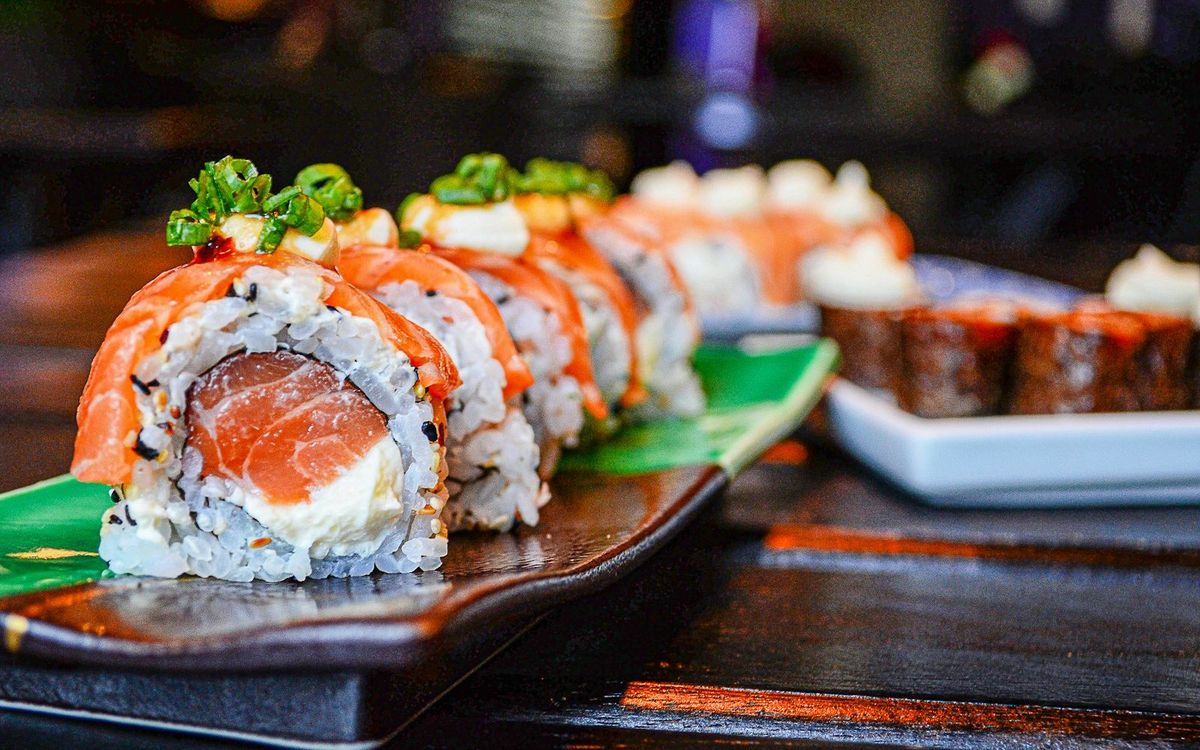
At roughly 6:00 PM or 6:30 PM, your ryokan stay shifts from geothermal therapy to culinary theater with kaiseki ryori (会席料理)—a multi-course seasonal dinner served either in your tatami room (heya-shoku) or in a private dining alcove. Every plate highlights shun (ingredients at their peak 10-day window of seasonal perfection) alongside local regional specialties (kyodo ryori), such as Hida beef grilled on a magnolia leaf in Takayama or snow crab in the Sea of Japan coast during winter.
Before lifting your chopsticks, brush up on the essential table rules in our Japanese food etiquette guide. A classic ryokan kaiseki menu typically unfolds across 9 to 11 courses:
- Sakizuke & Hassun: Bite-sized seasonal starters arranged with maple leaves or cherry blossoms.
- Suimono: Clear dashi soup in a lidded lacquer bowl that sets the flavor benchmark of the kitchen.
- Otsukuri: Prime seasonal sashimi served over crushed ice with freshly grated wasabi root.
- Yakimono & Nimono: Charcoal-grilled river fish (like salted ayu sweetfish) and gently simmered mountain vegetables.
- Nabemono / Dai-no-mono: A personal tabletop hotpot or ceramic grill lit with a small blue flame right at your table.
- Shokuji & Mizumono: Steamed local rice, pickles, miso soup (served at the end of a kaiseki feast to ensure you are completely full), and fresh seasonal fruit.
Best Onsen Towns in Japan & Ryokan Cost Breakdown (2026)
Note: Prices below reflect approximate 2026 per-person rates (double occupancy, including kaiseki dinner and breakfast unless noted; $1 USD ≈ ¥150 JPY; ¥1 JPY ≈ ₹0.56 INR).
| Onsen Town / Tier | Transit from Nearest Hub | Signature Experience | Price/Person (JPY) | Price (USD) | Price (INR) |
|---|---|---|---|---|---|
| Hakone (Kanagawa) | 85 mins from Tokyo (Shinjuku) | Mt. Fuji views, forest rotenburo, and Lake Ashi | ¥22,000–¥55,000 | $145–$365 | ₹12,320–₹30,800 |
| Kinosaki Onsen (Hyogo) | 2.5 hrs from Kyoto / Osaka | Canal streets in yukata + pass to 7 tattoo-friendly baths | ¥20,000–¥42,000 | $133–$280 | ₹11,200–₹23,520 |
| Kusatsu Onsen (Gunma) | 2.5–3 hrs from Tokyo | Steaming Yubatake mineral chutes & Yumomi paddle dances | ¥16,000–¥34,000 | $106–$226 | ₹8,960–₹19,040 |
| Beppu & Kurokawa | 2 hrs from Fukuoka | Volcanic mud baths, sand baths, and riverside cedar pools | ¥15,000–¥35,000 | $100–$233 | ₹8,400–₹19,600 |
| Ginzan Onsen (Yamagata) | 3.5 hrs from Tokyo | Gas-lit 1920s wooden inns along a snow-draped gorge | ¥28,000–¥60,000 | $186–$400 | ₹15,680–₹33,600 |
| Su-domari (Room Only) | Nationwide | Tatami room and onsen access without meals | ¥9,000–¥16,000 | $60–$106 | ₹5,040–₹8,960 |
Dietary Guidance & Medical Safety for Ryokan Guests
Navigating Vegetarian, Vegan, Jain, and Halal Kaiseki Meals
For Indian and international travelers with strict dietary needs, booking a ryokan requires a clear strategy:
- Notify the Ryokan 7 to 14 Days Ahead: When booking on platforms or directly via the inn’s website, message them immediately to ask if they can prepare a Shojin Ryori (Buddhist vegan) or Kombu-dashi (kelp stock only, no bonito fish flakes) kaiseki meal.
- Consider a “Breakfast Only” or “No Meals” (Su-domari) Plan: If a rural family-run ryokan cannot alter its dashi stock for strict Jain, vegan, or halal diets, book the room-only rate (su-domari) to enjoy the tatami room and hot spring baths, and dine at vetted local restaurants in town.
- Medical & Health Precautions: Because natural onsen water is hot (41°C–43°C), stay hydrated by drinking a full glass of water before and after soaking, avoid entering the bath immediately after drinking alcohol at dinner, and rise slowly from the pool to prevent dizziness (nobose). Pregnant travelers or guests with high blood pressure should consult a physician and always verify that their policy covers rural transit—see our guide on travel insurance explained for details. If you love slow-paced, water-centered heritage stays, compare the serenity of a Japanese ryokan with our guide to booking a Kerala backwaters houseboat in southern India.
For official reservations, verified tattoo-friendly listings, and seasonal bus timetables, check the Japan Ryokan and Hotel Association, browse the JNTO Official Onsen Guide, and consult Visit Kinosaki’s Official Tourism Portal. You can also explore more immersive traditions in our Food & Culture section.
Frequently Asked Questions
Can I enter a Japanese onsen if I have tattoos?
Many traditional communal onsen still prohibit visible tattoos due to historical associations, though policies are rapidly modernizing. If you have a small tattoo, cover it with a waterproof flesh-colored bandage. For larger tattoos, book a ryokan with a private reservable bath (kashikiri-buro), an in-room open-air bath, or visit tattoo-friendly towns like Kinosaki Onsen.
Do you wear a swimsuit inside a Japanese hot spring bath?
No, swimsuits, towels, and any clothing are strictly forbidden inside the hot spring water at authentic Japanese onsen. Baths are segregated by gender (unless reserved privately for couples or families), and every bather enters completely naked after thoroughly washing and rinsing their body at the seated shower stations first.
How much does one night at a Japanese ryokan cost?
Unlike Western hotels that charge per room, ryokans price stays per person and typically include a multi-course kaiseki dinner and traditional breakfast (ichiju-sansai). Expect to pay ¥18,000 to ¥32,000 JPY ($120 to $215 USD / ₹10,080 to ₹17,900 INR) per person at mid-range inns, and ¥45,000+ JPY ($300+ USD) at luxury properties.
Which side goes over which when putting on a yukata robe?
Always wrap the LEFT side of the cotton yukata robe over the RIGHT side (forming a 'Y' shape at your throat). Wrapping the right side over the left is reserved exclusively for dressing a body for a Japanese funeral. Tie the sash (obi) snugly around your hips rather than high on your waist.
Can ryokans accommodate vegetarian, vegan, or allergy-restricted kaiseki meals?
Because kaiseki dinners rely heavily on seasonal seafood and bonito dashi stock, ryokans require advance notice—ideally at the time of booking and at least 7 days prior—to prepare vegetarian, vegan, halal, or crustacean-free menus. Never wait until check-in at 3:00 PM to announce dietary restrictions, as ingredients are sourced days ahead.
Conclusion: Eating and Traveling Well
Spending an evening wrapped in a cotton yukata, listening to river water rush past an open-air stone bath before sitting down to a seasonal kaiseki banquet, is one of the most memorable cultural experiences on earth. Remember to check in before 5:00 PM, fold your robe left-over-right, scrub thoroughly at the seated shower before entering the mineral pool, and communicate any dietary requests well in advance. Planning the rest of your trip through Japan? Pair your stay with our Japanese food etiquette guide and discover where to go next in our best places to visit in Japan guide.
Explore more