New Zealand Great Walks Guide: Huts, Permits & Prep
Plan your trek with our new zealand great walks guide covering DOC hut booking rules, seasonal track conditions, costs in NZD, USD and INR, and safety.
 By Tanisha Published Updated 9 min read
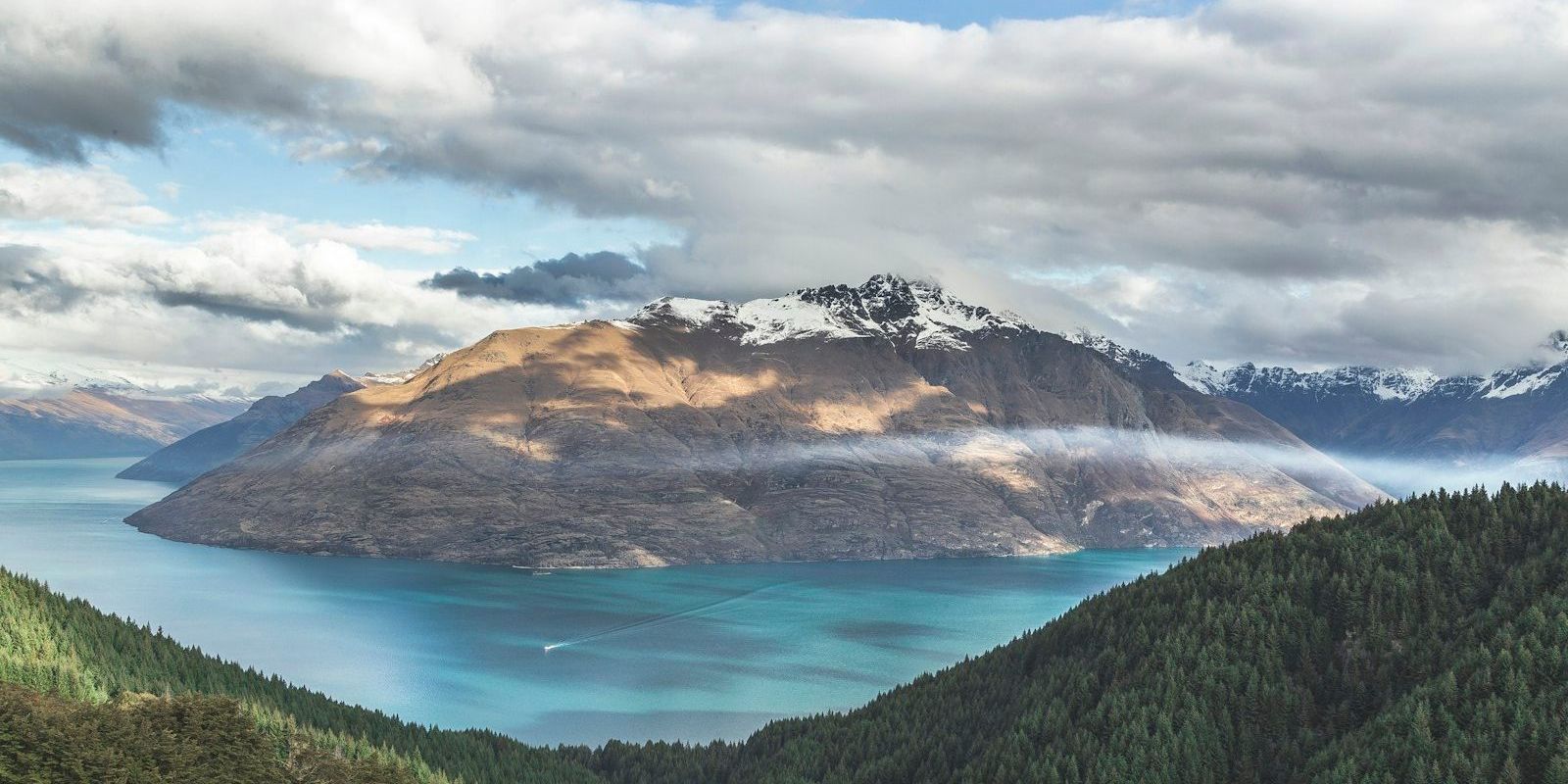
Lacing up your boots on a misty Fiordland morning, with beech forest dripping overhead and alpine ridges rising into the clouds, is one of the defining experiences of Southern Hemisphere trekking. This new zealand great walks guide walks you through everything required to secure Department of Conservation permits, choose the right trail for your fitness level, and budget accurately across three currencies. Whether you are eyeing the granite walls of the Milford Track, the coastal coves of the Abel Tasman, or the volcanic craters of Tongariro, New Zealand’s network of eleven multi-day trails blends rugged wilderness with organized backcountry huts. Below, you will learn how the reservation system operates, what gear survives four seasons in an afternoon, and how travelers flying from global hubs and India can plan a lifetime trek.
Understanding the Great Walks Network
Managed by the New Zealand Department of Conservation (DOC), the Great Walks are a curated collection of the country’s finest multi-day tracks. While New Zealand has thousands of kilometers of backcountry tramping routes, the Great Walks receive the highest level of track maintenance, bridge engineering, and ranger presence. The trails feature well-formed gravel surfaces, boardwalks over alpine bogs, and suspension bridges spanning glacial rivers.
Out of the eleven routes, three sit on the North Island (Lake Waikaremoana, Tongariro Northern Circuit, and the Whanganui Journey river paddle), seven traverse the South Island (Abel Tasman, Heaphy, Paparoa, Routeburn, Milford, Kepler, and Hump Ridge), and one crosses Stewart Island (Rakiura Track). Pairing a Fiordland trek with a New Zealand South Island road trip is the best way to link trailheads between Queenstown, Te Anau, and Wanaka.

Comparing the Top 6 Iconic Great Walks
Choosing a single trail when you have limited annual leave is often the hardest part of trip planning. Each track has a distinct geological character, elevation profile, and logistical footprint.
| Great Walk Name | Region / Island | Distance & Duration | Track Style | Peak Hut Cost (NZD / USD / INR per night) | Best For |
|---|---|---|---|---|---|
| Milford Track | Fiordland (South) | 53.5 km / 4 Days | One-way (Mandatory Northbound) | NZD 160 / $96 / ₹8,050 | Glacial valleys, Mackinnon Pass, Sutherland Falls |
| Routeburn Track | Fiordland & Mt Aspiring (South) | 33 km / 2–3 Days | Point-to-point (Either direction) | NZD 152 / $91 / ₹7,650 | High alpine traverses, Harris Saddle views |
| Kepler Track | Fiordland (South) | 60 km / 3–4 Days | Loop Track (Starts at Te Anau) | NZD 140 / $84 / ₹7,050 | Exposed alpine ridgelines, easy transport logistics |
| Abel Tasman Coast Track | Nelson / Tasman (South) | 60 km / 3–5 Days | Point-to-point (Water taxi access) | NZD 102 / $61 / ₹5,130 | Golden beaches, tidal estuaries, sea kayaking |
| Tongariro Northern Circuit | Central Plateau (North) | 44.9 km / 3–4 Days | Loop Track (Whakapapa Village) | NZD 104 / $62 / ₹5,230 | Active volcanic craters, emerald mineral lakes |
| Paparoa Track | West Coast (South) | 55 km / 3 Days | Point-to-point (Shared MTB/Hike) | NZD 95 / $57 / ₹4,780 | Limestone karst canyons, sub-tropical rainforest |
Note: All prices listed above and throughout this guide are approximate for the 2026–2027 season and may change based on DOC fee adjustments and currency shifts (1 NZD = 0.60 USD = 50.3 INR).
Fiordland’s Big Three: Milford, Routeburn, and Kepler
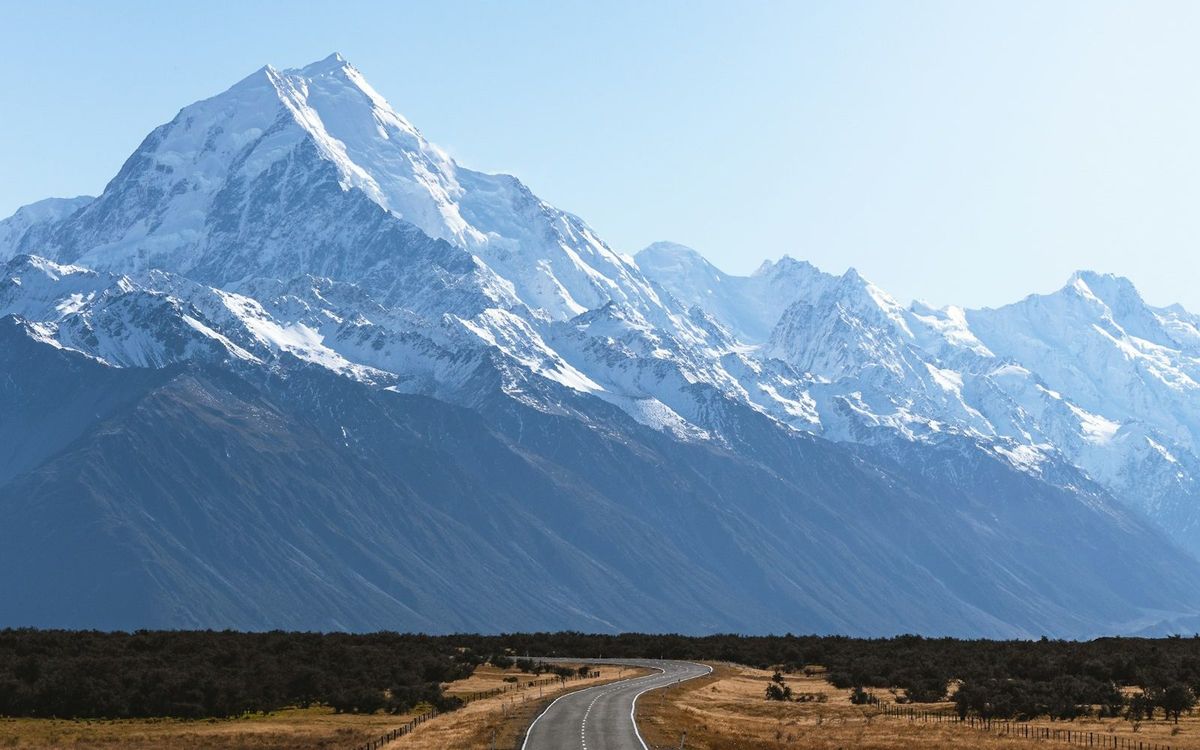
Fiordland National Park on the South Island is the undisputed capital of trekking and hiking in Oceania. The Milford Track is the most tightly regulated: only 40 independent hikers start each day from Glade Wharf, walking strictly north toward Sandfly Point in Milford Sound. Camping is prohibited on the Milford Track, so every independent walker must book Clinton, Mintaro, and Dumpling Huts in sequence.
Do not treat the Kepler Track or Routeburn Track as consolation prizes. While the Milford Track spends two and a half days on valley floors, the Kepler Track climbs directly onto a sweeping alpine tussock ridge between Luxmore and Iris Burn Huts with wider panoramic views. Meanwhile, the Routeburn Track links Mount Aspiring and Fiordland National Parks across the Harris Saddle, offering dramatic sub-alpine tarns in a three-day walk—though it requires a car relocation or shuttle between Routeburn Shelter and The Divide.
Tongariro Northern Circuit and Abel Tasman Coast Track
On the North Island, the Tongariro Northern Circuit winds around the active volcanic cone of Mount Ngauruhoe. A major section overlaps with the famous Tongariro Alpine Crossing, passing the vivid Red Crater and the mineral-rich Emerald Lakes. Hiking the full three-to-four-day circuit lets you experience the stark volcanic desert of Oturere Valley and Waihohonu after the day-hiking crowds have descended.
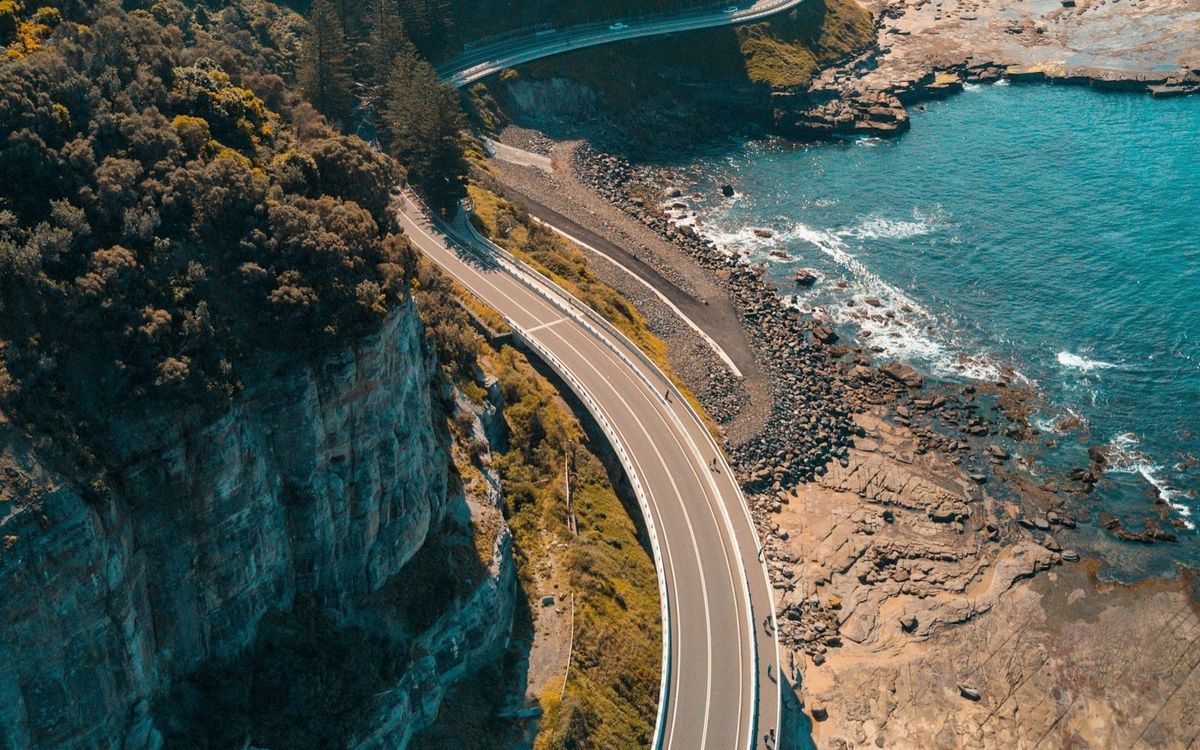
For travelers who prefer mild coastal breezes over snow-dusted passes, the Abel Tasman Coast Track at the top of the South Island is open year-round. Here, your main logistical puzzle is the tide chart: inlets like Awaroa Estuary can only be crossed within two hours either side of low tide. Because water taxis serve nearly every bay between Marahau and Totaranui, you can forward packs or combine hiking with coastal kayaking.
How the DOC Hut & Campsite Booking System Works
Securing a bunk on the Milford, Routeburn, or Kepler Track requires preparation before opening day in late May or early June:
- Create Your Account Early: Register on the official DOC booking portal a week ahead and save the full names, dates of birth, and nationalities of every hiker in your group.
- Synchronize Your Clock: Bookings open strictly at 9:30 AM New Zealand Standard Time (NZST)—which is 3:00 AM IST in India, 2:30 PM PDT (the previous day) on the US West Coast, and 10:30 PM BST in London.
- Have Three Backup Dates: Keep alternate dates and a backup track ready in a second tab, as the Milford Track sells out its five-month summer allocation in minutes.
- Watch for Cancellations: Cancelled bunks return immediately to live inventory between September and January.
Complete Budget Breakdown: NZD, USD & INR
The table below outlines a realistic 4-day independent Great Walk budget per person in peak season:
| Expense Category | Cost in NZD | Cost in USD (Approx.) | Cost in INR (Approx.) | Practical Notes |
|---|---|---|---|---|
| 3 Nights DOC Hut Fees (Intl Rate) | NZD 420 – 480 | $252 – $288 | ₹21,100 – ₹24,150 | Paid in full by Visa/Mastercard when booking |
| Track Transport (Buses & Boats) | NZD 130 – 275 | $78 – $165 | ₹6,550 – ₹13,850 | Kepler shuttle is ~NZD 30; Milford boat + bus is ~NZD 275 |
| Freeze-Dried Trail Food (4 Days) | NZD 140 – 190 | $84 – $114 | ₹7,050 – ₹9,550 | Back Country Cuisine pouches sold in Queenstown / Te Anau |
| PLB Rental & Stove Canister | NZD 65 – 90 | $39 – $54 | ₹3,270 – ₹4,530 | Rent PLBs in Te Anau or Queenstown; buy gas locally |
| Pre/Post-Hike Town Stay (2 Nights) | NZD 160 – 320 | $96 – $192 | ₹8,050 – ₹16,100 | Base yourself in Te Anau, Queenstown, or Nelson |
| Total Estimated 4-Day Trek Cost | NZD 915 – 1,355 | $549 – $813 | ₹46,020 – ₹68,180 | Excludes international airfare, visas, and personal clothing |
Logistics for Global and Indian Travelers
Flights, Visas, Insurance & Biosecurity
- Flights from India & Global Hubs: Most hikers fly into Auckland (AKL), Christchurch (CHC), or Queenstown (ZQN). From India (Delhi, Mumbai, Bengaluru, Chennai), fast one-stop connections run daily via Singapore Airlines (to AKL and CHC), Malaysia Airlines, Qantas / Air India (via Sydney or Melbourne), and Cathay Pacific. Non-stop flights link Los Angeles, San Francisco, New York, Houston, and Vancouver directly to Auckland, while European travelers connect via Singapore, Dubai, or Doha.
- Visas & NZeTA: Citizens of visa-waiver nations (US, UK, Canada, EU, Singapore, Japan) need an NZeTA at least 72 hours before departure plus the NZD 100 (~$60 USD / ₹5,030 INR) International Visitor Conservation and Tourism Levy (IVL). Indian passport holders must apply online for a New Zealand Visitor Visa 3 to 5 weeks ahead.
- Insurance & ACC: New Zealand’s Accident Compensation Corporation (ACC) covers acute accidental injury treatment for all visitors, but does not cover illness, disrupted transport, lost gear, or medical repatriation. Review our guide to travel insurance explained to verify your policy covers multi-day trekking up to 2,000 meters.
- Airport Boot Biosecurity: New Zealand strictly protects its forests against soil pathogens like kauri dieback. Scrub your hiking boots, tent pegs, and trekking poles with soapy water before flying so no dirt or seeds remain in the treads, and declare them at airport biosecurity for a fast inspection.
Weather, Safety & Essential Backcountry Packing
New Zealand’s mountains sit directly in the path of the “Roaring Forties” westerlies. Even in January, snow and 100 km/h gales sweep across Mackinnon Pass, Harris Saddle, and the Kepler ridge.
Check the New Zealand Mountain Safety Council (MSC) guidelines before departing. Alongside our international travel packing list, carry these essentials in a 50-to-65-liter pack:
- Heavy-Duty Pack Liner: External pack covers fail in hours of horizontal Fiordland rain; line the inside of your pack and put your sleeping bag inside a dry bag.
- Three-Season Sleeping Bag: Hut bunkrooms are unheated at night and drop near freezing on alpine passes.
- Sandfly Protection: Pack Picaridin or DEET repellent plus lightweight long trousers and socks for Fiordland sandflies (namu).
- Headlamp & Cookware: Peak-season Great Walk huts supply gas stoves (except Waikaremoana and Rakiura), but you must carry your own pot, spork, mug, lighter, and headlamp.
Frequently Asked Questions
When do bookings open for the New Zealand Great Walks season?
The Department of Conservation opens bookings for the Great Walks season between late May and early June each year for hikes running from October through April. Popular tracks like the Milford Track and Routeburn Track sell out within minutes of release, so you must create a DOC account beforehand and log in right at 9:30 AM NZST.
Do international hikers pay more for DOC huts on the Great Walks?
Yes, the Department of Conservation uses differential pricing during the peak Great Walks season. International visitors, including travelers from India, the United States, and Europe, pay approximately 1.5 times the New Zealand resident rate for huts and campsites on flagship tracks like the Milford, Kepler, Routeburn, and Abel Tasman.
Can I hike the New Zealand Great Walks outside the peak summer season?
You can hike outside the October to April Great Walks season, when huts revert to lower backcountry fee structures and work on a first-come, first-served basis. However, alpine tracks in Fiordland and Tongariro face severe winter avalanche hazards, removed bridges, shuts in flushing water systems, and freezing conditions requiring mountaineering gear.
What is provided inside a Department of Conservation Great Walk hut?
Great Walk huts during the peak season provide bunk beds with vinyl-covered mattresses, communal cooking tables, running water, solar lighting, heating in alpine regions, and flushing or well-maintained composting toilets. Most huts provide gas stoves during summer, though hikers must carry their own sleeping bags, cookware, food, and toilet paper.
Do I need a Personal Locator Beacon for hiking in New Zealand?
Carrying a registered Personal Locator Beacon or satellite communicator is strongly recommended on every multi-day hike in New Zealand, even on well-marked Great Walks. Mobile reception is nonexistent in deep glacial valleys, and sudden sub-antarctic storms can cause flash flooding or hypothermia, making a PLB essential for summoning emergency helicopter rescue.
Conclusion: Preparing for the Outdoors
Hiking one of New Zealand’s Great Walks rewards your preparation with some of the purest backcountry solitude on earth—where kea parrots call across granite cirques and suspension bridges sway above glacial rivers. Success comes down to logging onto the DOC portal the moment reservations open, respecting maritime alpine weather, and packing lightweight merino and waterproof layers.
Once you have locked in your hut dates, build out the rest of your trip with our New Zealand South Island road trip itinerary, or explore how North American permits compare in our US National Parks camping guide. For more trail inspiration, browse our Adventure & Outdoors archives.
Explore more