Backpacking Southeast Asia Route & Daily Budget
Plan your ultimate backpacking southeast asia route for 2026 with day-by-day overland transport, visa rules, hostels, and USD/INR daily budgets.
 By Shivam Published Updated 9 min read
Designing a classic backpacking southeast asia route remains one of the highest-value travel experiences on the planet, provided you connect your border crossings logically instead of zig-zagging on last-minute regional flights. Known historically as the Banana Pancake Trail, the modern mainland loop links Thailand, Laos, Vietnam, and Cambodia via newly upgraded sleeper trains, high-speed rail in Laos, and scenic river boats—all while keeping daily living costs between $30 and $45 (₹2,500 to ₹3,800). Whether you are flying into Bangkok from New Delhi, Mumbai, or Bengaluru for a three-week sabbatical, or landing from London, Sydney, or San Francisco for a two-month gap trip, this guide breaks down the exact overland sequence, 2026 visa rules, dual-currency daily budgets, and street-level safety tactics.
How to Reach the Starting Line: Flight Hubs & Entry Strategy
Almost every efficient mainland loop starts and ends in Bangkok, Thailand, or utilizes an open-jaw ticket flying into Bangkok and returning home from Ho Chi Minh City (SGN) or Hanoi (HAN). Read our playbook on how to find cheap flights to compare round-trip versus multi-city fares before locking in your dates.
- From Indian Hubs (DEL, BOM, BLR, CCU, MAA): Direct 3.5 to 4.5-hour flights to Bangkok (BKK and DMK) run daily on IndiGo, Thai Airways, Air India, Thai AirAsia, and Nok Air, with off-peak return fares regularly priced between ₹14,500 and ₹21,000 ($170–$250). Direct flights to Hanoi and Ho Chi Minh City on VietJet and Vietnam Airlines are similarly competitive.
- From Global Hubs (LHR, FRA, SYD, LAX, JFK): London and Frankfurt offer direct 11-to-12-hour flights to Bangkok and Singapore, while North American travelers typically connect via Taipei, Tokyo, Seoul, Doha, or Dubai.
The Classic 4-to-6-Week Overland Route (Clockwise Loop)
Why go clockwise starting in Bangkok? Heading north into Chiang Mai first lets you get your bearings in Thailand’s effortless backpacker infrastructure before crossing the Mekong into slower-paced Laos, descending the spine of Vietnam from north to south, and finishing with the sunrise temples of Angkor Wat in Cambodia before a quick overland hop back to Bangkok or a south Thailand beach extension.
Leg 1: Central & Northern Thailand (Days 1–10)
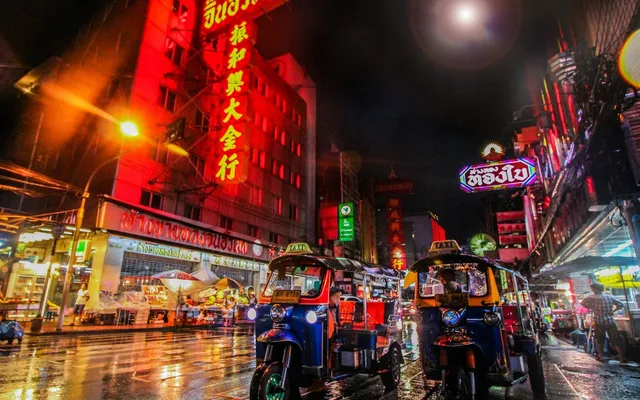
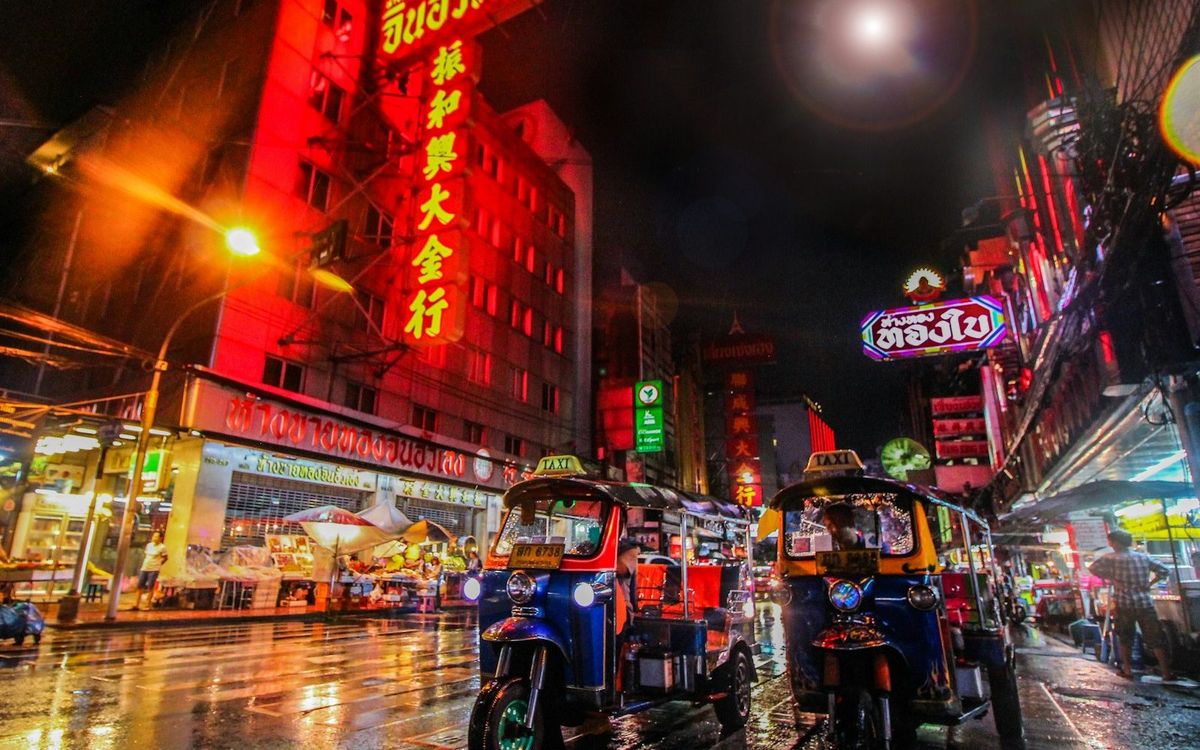
- Bangkok (Days 1–3): Recover from jet lag along Khao San/Rambuttri or stay near a Phaya Thai / Ari BTS station. Spend your evenings sampling night-stall classics using our Bangkok street food guide and visiting Wat Pho and Wat Arun via the Chao Phraya Express Boat (16–40 THB).
- Overnight Sleeper Train to Chiang Mai: Book Special Express Train #9 (CNR modern carriages) from Krung Thep Aphiwat Central Terminal. Second-class air-conditioned lower berths cost ~1,050 THB ($31 / ₹2,600).
- Chiang Mai & Pai (Days 4–10): Base yourself inside the Old City moat for Sunday Walking Street, ethical elephant sanctuaries, and Doi Suthep, followed by 3 days riding the scenic mountain curves up to Pai. If you only have a single week in the country, check our focused Thailand 7-day itinerary instead.
Leg 2: Northern Laos via the Mekong & LCR High-Speed Train (Days 11–17)
- Chiang Rai to Huay Xai Border (Day 11): Take a local GreenBus from Chiang Mai to Chiang Rai (visit the White Temple), then continue to Chiang Khong / Huay Xai on the Laos border.
- Two-Day Mekong Slow Boat to Luang Prabang (Days 12–13): One of Asia’s great overland journeys. The wooden public slow boat drifts down the Mekong with an overnight stop in Pakbeng (~450,000 LAK or $22 / ₹1,850 total for both days).
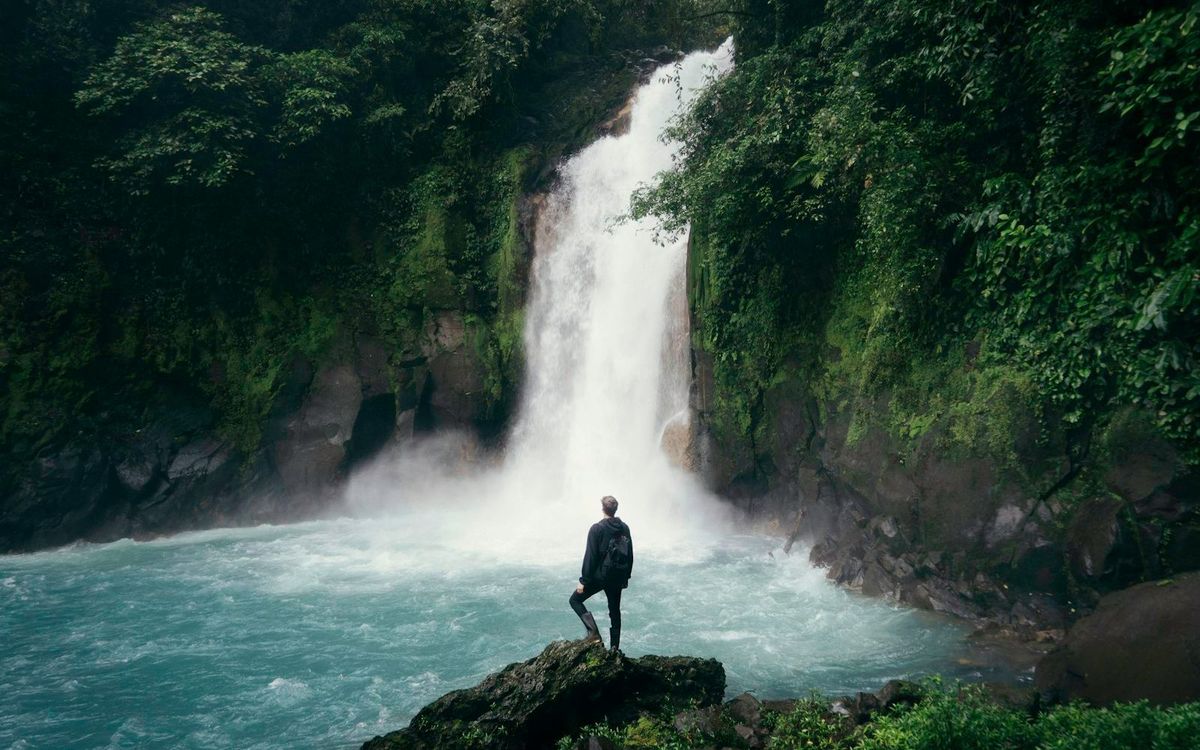
- Luang Prabang, Vang Vieng & Vientiane (Days 14–17): Swim in the turquoise tiers of Kuang Si Falls, hike Nam Xay viewpoint in Vang Vieng, and ride the sleek Laos-China Railway (LCR) high-speed train that cuts the mountain journey between Luang Prabang and Vang Vieng from 6 hours down to 55 minutes.
Leg 3: North-to-South Vietnam Spine (Days 18–30)
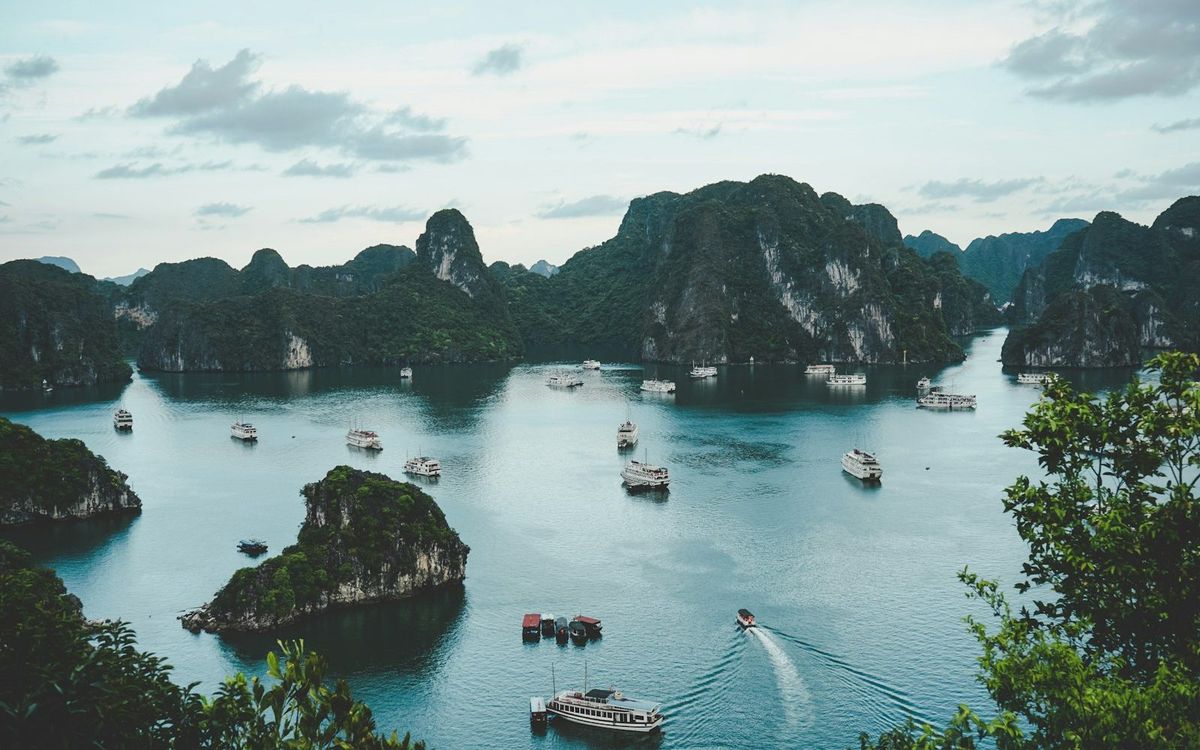
- Hanoi & The Northern Loop (Days 18–23): Spend 2 days in Hanoi’s Old Quarter eating bun cha and egg coffee, then choose between a 3-day Ha Giang motorbike loop in the far north or a 2-day cruise through the karst peaks of Ha Long Bay / Lan Ha Bay (via Cat Ba Island for half the price of tourist boats).
- Ninh Binh, Hue & Hoi An (Days 24–27): Take the Reunification Express train south to Ninh Binh (“Ha Long Bay on land” among rice paddies), continue overnight to the Imperial Citadel of Hue, and ride over the Hai Van Pass into lantern-lit Hoi An.
- Ho Chi Minh City & Mekong Delta (Days 28–30): Fly or take the sleeper train to southern Vietnam for the War Remnants Museum, Cu Chi Tunnels, and rooftop street cafés.
Leg 4: Cambodia Overland & Return to Bangkok (Days 31–38)
- Ho Chi Minh City to Phnom Penh (Day 31–32): Take a Giant Ibis or Mekong Express bus across the Moc Bai / Bavet border (6 hours, ~$26 / ₹2,180). Visit the Tuol Sleng Genocide Museum (S-21) and Royal Palace for vital historical context.
- Siem Reap & Angkor Wat (Days 33–36): Take an daytime express bus (5.5 hours) to Siem Reap. Purchase a 1-day ($37 / ₹3,100) or 3-day ($62 / ₹5,200) Angkor Archaeological Park pass to explore Angkor Wat at sunrise, Bayon, and Ta Prohm.
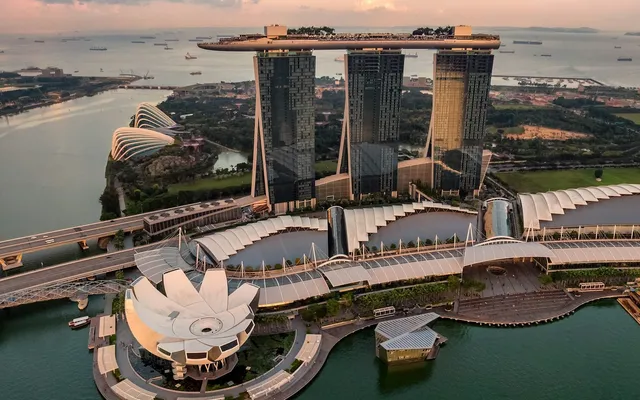
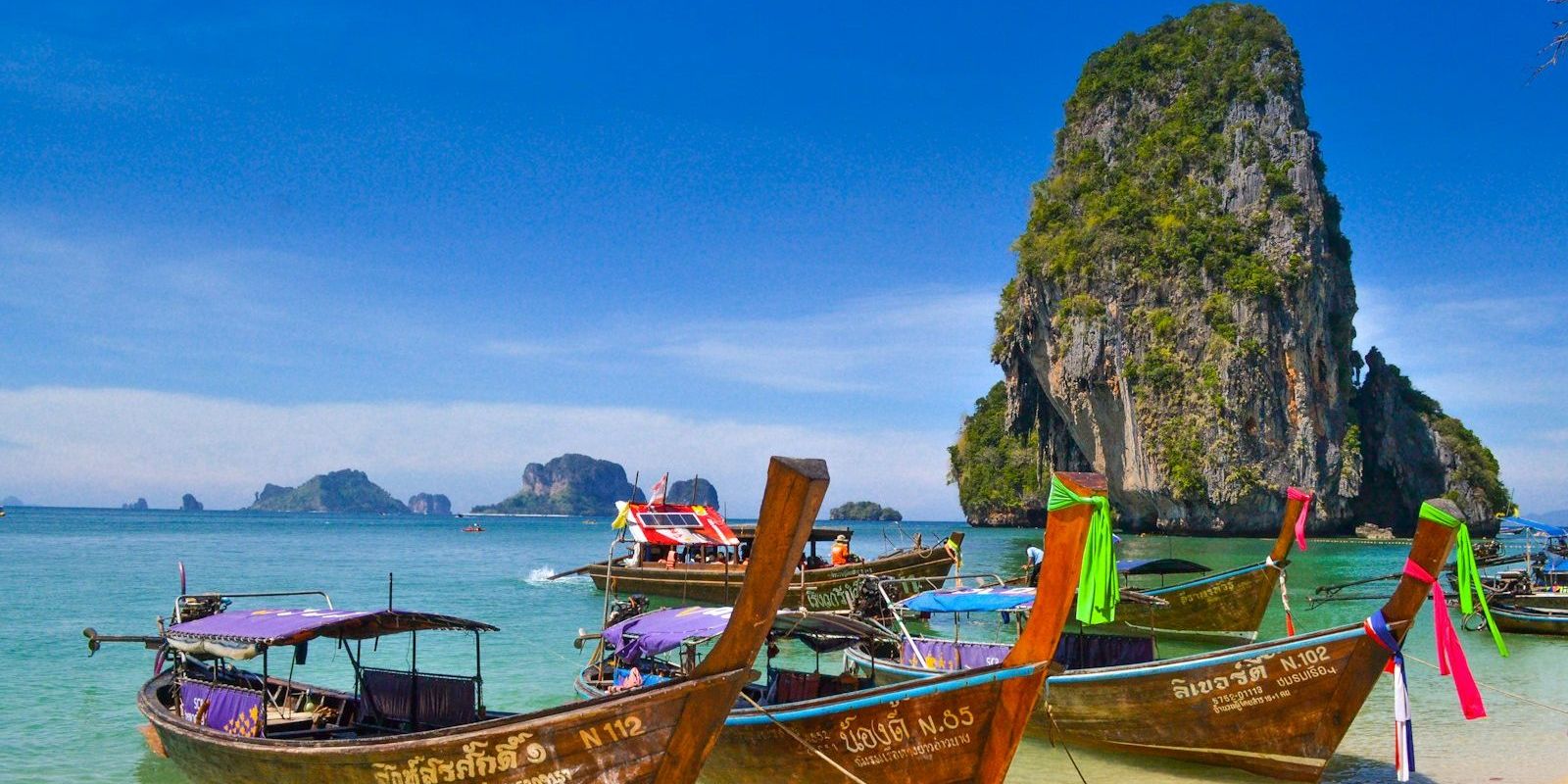
- Siem Reap to Bangkok or Southern Thai Islands (Days 37–38): Cross overland via Poipet/Aranyaprathet by direct bus back to Bangkok (7–8 hours), or catch a cheap flight south to Krabi and Koh Lanta—or even continue onward to Indonesia using our Bali travel guide or stop over in Singapore to enjoy the free things to do in Singapore.
Real 2026 Daily Cost Breakdown (USD, INR & Local Currencies)
How much does this backpacking southeast asia route actually cost on the ground? Below is our verified 2026 daily expenditure breakdown across three budget tiers.
Note: All prices below are approximate 2026 daily averages per person and may fluctuate with exchange rates and seasonal demand.
| Country & Local Currency | Shoestring Backpacker (USD / INR) | Flashpacker / Private Room (USD / INR) | Typical Dorm Bed (Local / USD) | Street Meal + Iced Coffee (Local / USD) | Intercity Bus / Train (4–8 hrs) |
|---|---|---|---|---|---|
| Thailand (THB) | $32–$40 / ₹2,700–₹3,350 | $60–$85 / ₹5,050–₹7,150 | 300–550 THB ($9–$16) | 80–150 THB ($2.30–$4.40) | 450–1,100 THB ($13–$32) |
| Laos (LAK) | $26–$34 / ₹2,200–₹2,850 | $50–$70 / ₹4,200–₹5,900 | 150k–260k LAK ($7–$12) | 55k–95k LAK ($2.50–$4.30) | 220k–480k LAK ($10–$22) |
| Vietnam (VND) | $25–$35 / ₹2,100–₹2,950 | $48–$72 / ₹4,050–₹6,050 | 160k–300k VND ($6.50–$12) | 50k–90k VND ($2–$3.60) | 300k–750k VND ($12–$30) |
| Cambodia (USD / KHR) | $28–$38 / ₹2,350–₹3,200 | $55–$78 / ₹4,600–₹6,550 | $7–$13 USD (28k–52k KHR) | $2.50–$4.50 USD | $14–$26 USD |
Where to Stay: Picking Safe, Social Hostels & Guesthouses
Hostels in Southeast Asia have evolved dramatically. Even a $9 (₹750) dorm bed in Chiang Mai, Hanoi, or Siem Reap now typically includes privacy curtains, reading lights, power sockets, air-conditioning, and large under-bed lockers. If you have never slept in a shared dorm before, read our first-time hostel stay guide to learn locker security and dorm etiquette.
- Solo Travelers: Choose hostels rated 8.8+ that organize morning walking tours or family dinners rather than noisy party hostels.
- Couples & Two Friends Sharing: In Vietnam, Laos, and Northern Thailand, a private en-suite double room in a family-run homestay costs $16 to $24 (₹1,350–₹2,000) total—meaning splitting a private room costs almost the same per person as two dorm beds.
Visa, Money & Card Rules for Global and Indian Travelers
Navigating four currencies and four border regimes requires a bit of pre-trip admin:
Visa Checklist (2026 Rules)
- Thailand: Visa-free entry for 60 days for most Western nationalities (US, UK, EU, Australia) and currently visa-free for Indian passport holders for tourism stays. Always verify the latest entry notices on the Tourism Authority of Thailand Official Newsroom before departure.
- Vietnam: Most European citizens enjoy 45-day visa-free entry; US, Australian, Canadian, and Indian passport holders must apply online for the 90-day single or multiple-entry e-Visa ($25–$50 USD) at least 7 business days before arrival.
- Cambodia: Visa on Arrival ($30 USD cash) or e-Visa ($30 + $6 processing fee) available to both Indian and Western passport holders. Plus, complete the mandatory free Cambodia e-Arrival card within 7 days of flying in.
- Laos: Visa on Arrival ($40 USD cash) or online e-Visa ($50) for both Indian and Western travelers.
ATM Fees & Zero-Forex Cards
- Thailand ATM Fee Alert: Almost every Thai bank ATM charges a flat 220 THB ($6.50 / ₹540) withdrawal fee. Withdraw 20,000–30,000 THB in a single transaction rather than making multiple small withdrawals.
- Vietnam Zero-Fee ATMs: Use TPBank, VPBank, or ACB ATMs, which charge zero local operator fees on foreign cards.
- Cambodia USD & KHQR Rules: Cambodian ATMs dispense US Dollars, and merchants reject bills with even tiny tears or pre-2013 designs. Download the Bakong Tourists App to scan KHQR codes smoothly across shops and restaurants.
- Indian Travelers: Carry two zero-forex-markup cards (such as Niyo Global, Scapia, or AU Ixigo) to save the 3.5% + GST bank markup, and enable international POS and ATM usage before departure.
Safety Tips & Common Overland Scams to Avoid
Southeast Asia is remarkably welcoming for solo male and female travelers alike. Keep four street-smart rules in mind:
- Poipet (Thailand–Cambodia Border) Fake Visa Offices: Walk straight past street touts and unofficial “consulate cafés” into the official government immigration building where the visa is $30.
- Ride-Hailing Apps: Never board an unmarked taxi outside train or bus stations; book Grab, Be, or Xanh SM so your fare is locked in upfront.
- Curbside Phone Safety: In Ho Chi Minh City (District 1) and Phnom Penh, keep your smartphone away from the street edge while riding in open-air tuk-tuks.
- Health & Water: Refill an insulated bottle at hostel filtered-water stations instead of drinking tap water, and review the CDC Travelers’ Health Destination Directory for recommended routine vaccinations.
Frequently Asked Questions
How much money do I need per day for backpacking Southeast Asia in 2026?
A comfortable backpacker budget averages $30 to $45 (₹2,500 to ₹3,800) per day across Thailand, Vietnam, Laos, and Cambodia. This covers a clean air-conditioned hostel dorm or budget guesthouse room, three street-food or night-market meals, local scooter or Grab transport, temple entry fees, and intercity sleeper buses or trains.
Which countries in Southeast Asia are visa-free for Indian passport holders in 2026?
As of 2026, Thailand and Malaysia offer visa-free entry for Indian passport holders (subject to Malaysia's free MDAC digital arrival card). Vietnam and Cambodia provide straightforward online e-Visas ($25 and $30 respectively), while Laos offers both e-Visa and Visa on Arrival at major international airports and select land borders.
Is it better to travel the Southeast Asia loop clockwise or counter-clockwise?
Both directions work well, but starting in Bangkok and traveling clockwise through Northern Thailand (Chiang Mai), crossing into Laos (Luang Prabang), flying or busing to Hanoi, traveling south through Vietnam to Ho Chi Minh City, and crossing overland through Cambodia (Phnom Penh and Siem Reap) back to Bangkok minimizes flight costs.
Should I carry US dollars, Indian rupees, or rely on ATMs across Southeast Asia?
Carry two zero-forex-markup Visa or Mastercard debit/credit cards for ATMs, plus $200 to $300 in crisp, post-2017, unmarked $50 and $100 USD bills as an emergency stash and for Cambodia (which uses USD alongside Cambodian Riel). Avoid exchanging Indian Rupees directly at street kiosks outside central Bangkok or Singapore.
What is the best time of year to backpack the mainland Southeast Asia loop?
The overall sweet spot is November through February, when Thailand, Laos, Cambodia, and Southern Vietnam enjoy dry, sunny weather and pleasant 24°C to 30°C temperatures. Avoid Northern Thailand and Laos in March and April due to agricultural burning season, which creates heavy haze in Chiang Mai and Luang Prabang.
Conclusion: Smart Budget Planning
Following a structured backpacking southeast asia route lets you experience four distinct cultures, UNESCO heritage wonders, and world-famous street food for less than the cost of staying home and paying rent in most Western or Indian metro cities. By booking overnight trains directly, using zero-forex cards, and pacing your overland crossings, you can comfortably stretch a $1,200 (₹1,00,000) ground budget across a full month of adventure.
Ready to prepare your backpack and lock in your first nights on the road? Read our first-time hostel stay guide to master dorm life like a seasoned traveler, and check off every item on our lightweight international travel packing list before heading to the airport.